Former Rep. George Santos agrees to pay $35,000 in CFTC settlement over Kalshi SOTU bet
Former U.S. Representative George Santos has reached a settlement with the Commodity Futures Trading Commission (CFTC) over his trading activities on Kalshi, a prediction market platform. The settlement amounts to $35,000, stemming from trades Santos executed related to the U.S. State of the Union address. The CFTC had raised concerns about Santos’s activities, which were perceived as potentially violating the Commodity Exchange Act. While the details of the settlement indicate that Santos has agreed to pay the fine, it does not imply an admission of wrongdoing on his part.
This situation unfolds against a backdrop of heightened scrutiny on prediction markets and their regulatory frameworks. Kalshi, which allows users to place bets on the outcomes of various events, has been positioned as a unique intersection of finance and betting. The CFTC has been actively overseeing such platforms to ensure compliance with existing regulations, particularly as they relate to derivatives and speculative trading. Santos’s case highlights the complexities involved in trading on prediction markets, especially when political figures are involved.
The implications of this settlement are noteworthy for the broader market, especially as it signals the CFTC's commitment to regulating activities on platforms like Kalshi. This could potentially deter other market participants from engaging in similar trading behaviors, especially those that may be deemed questionable under current regulations. Furthermore, it may prompt prediction market platforms to implement stricter compliance measures to avoid regulatory scrutiny, which could influence how these markets operate in the future.
Industry reactions have been varied, with some experts suggesting that the settlement is a wake-up call for those participating in prediction markets. Others express concern that this could lead to more restrictive regulations that stifle innovation in the sector. Some advocates for prediction markets argue that they provide valuable insights into public sentiment and can serve as effective tools for gauging market expectations. The balance between innovation and regulation remains a critical conversation among stakeholders in the crypto and prediction market arenas.
Looking ahead, it will be interesting to see how this settlement affects George Santos's political career, as well as the future of prediction markets in general. The case may prompt the CFTC to establish clearer guidelines for trading on these platforms, potentially impacting how they function and how users engage with them. As the regulatory landscape continues to evolve, participants in the market will need to stay informed and adapt to any new developments that arise from this high-profile case.

CoinMagnetic Team
Crypto investors since 2017. We trade with our own money and test every exchange ourselves.
Updated: July 2026
From our insights:
Related news
Robinhood responds to scrutiny with share redemptions and voting rights for stock tokens
Robinhood Chain approaches $1 billion in TVL, fueled by key growth factors

TRON’s quantum strategy risks locking wallets out of key replacements
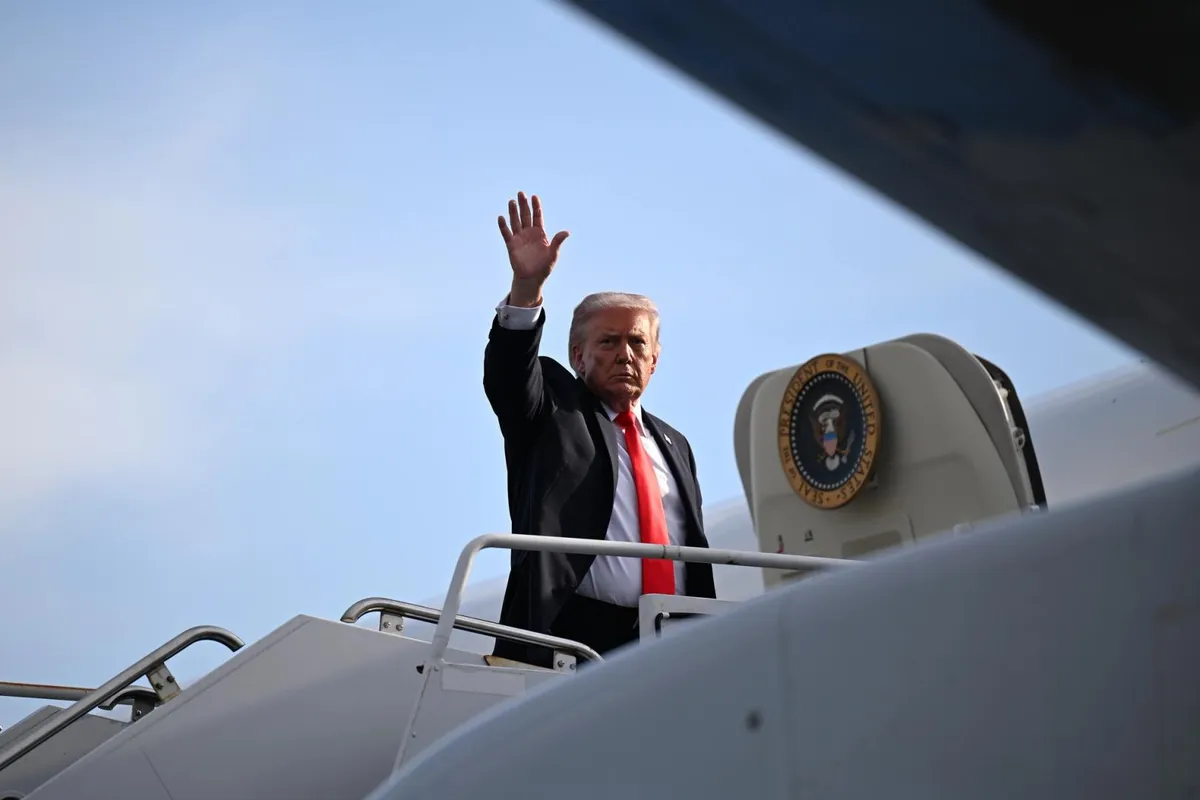
Trump's $800 million crypto stake locked in until 2028 after token burn

Bitcoin nears $80K as Trump's Iran war comments pressure oil prices