TRON’s quantum strategy risks locking wallets out of key replacements
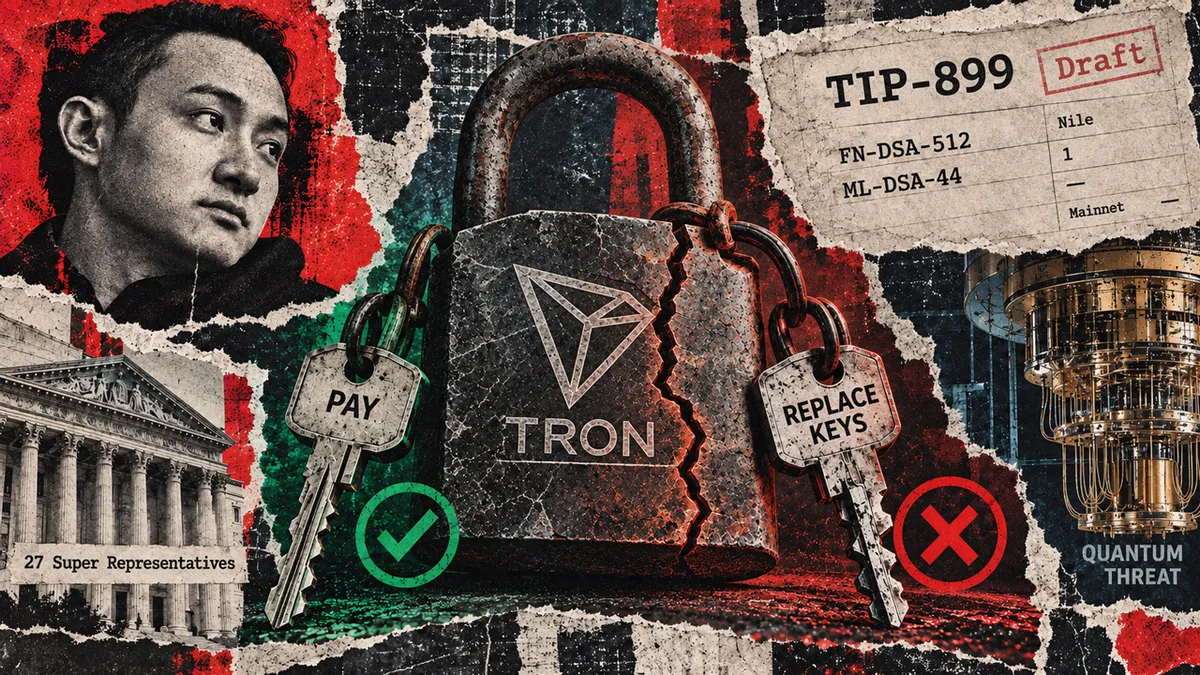
TRON has recently unveiled a draft design for its quantum strategy, which aims to enhance the blockchain's security in the face of potential quantum computing threats. However, the proposal has raised concerns among users regarding the implications for wallet security. Should validators decide to disable the current signing scheme, some wallets may still retain the ability to make payments, but users could find themselves unable to replace their cryptographic keys. This situation poses a significant risk for those who may need to recover their wallets in the future.
The background of this issue lies in TRON's ongoing efforts to stay ahead of technological advancements in the cryptocurrency space, particularly the looming threat posed by quantum computing. Quantum technology has the potential to break traditional cryptographic algorithms, which has prompted several blockchain projects to consider alternative approaches. TRON's proactive measures are intended to safeguard user assets against these emerging threats, but the complexity of the proposed recovery paths has sparked debate within the community.
This situation is critical for the market as it highlights the delicate balance between innovation and security. Users depend on their wallets not only for transactions but also for the safety of their investments. If a significant number of wallets become vulnerable due to the inability to replace keys, it could lead to a loss of trust in the TRON network and potentially impact its adoption. As such, the consequences of this design flaw could extend beyond individual users, affecting the overall perception of TRON's reliability in a competitive market.
Industry experts have expressed mixed reactions to TRON's quantum plan. Some view it as a necessary step to future-proof the network, while others caution against the potential pitfalls associated with its implementation. These experts emphasize the importance of user education regarding the new recovery paths and the risks involved. There is a call for TRON to provide clear guidelines and support for users to navigate these changes effectively.
Looking ahead, TRON will need to address these concerns as it finalizes its quantum plan. Stakeholder feedback will likely play a crucial role in shaping the final design, and the development team may need to adjust the recovery mechanisms to ensure that users can maintain access to their wallets. Continuous engagement with the community will be vital in fostering trust and ensuring that TRON's innovations do not come at the expense of user security.

CoinMagnetic Team
Crypto investors since 2017. We trade with our own money and test every exchange ourselves.
Updated: September 2026
From our insights:
Related news

Robinhood responds to scrutiny with share redemptions and voting rights for stock tokens

Robinhood Chain approaches $1 billion in TVL, fueled by key growth factors

Trump's $800 million crypto stake locked in until 2028 after token burn

Bitcoin nears $80K as Trump's Iran war comments pressure oil prices

White House crypto adviser says Trump gave up 'historic' ethics powers in compromise