FBI director discloses Strategy holdings months after deadline: Report
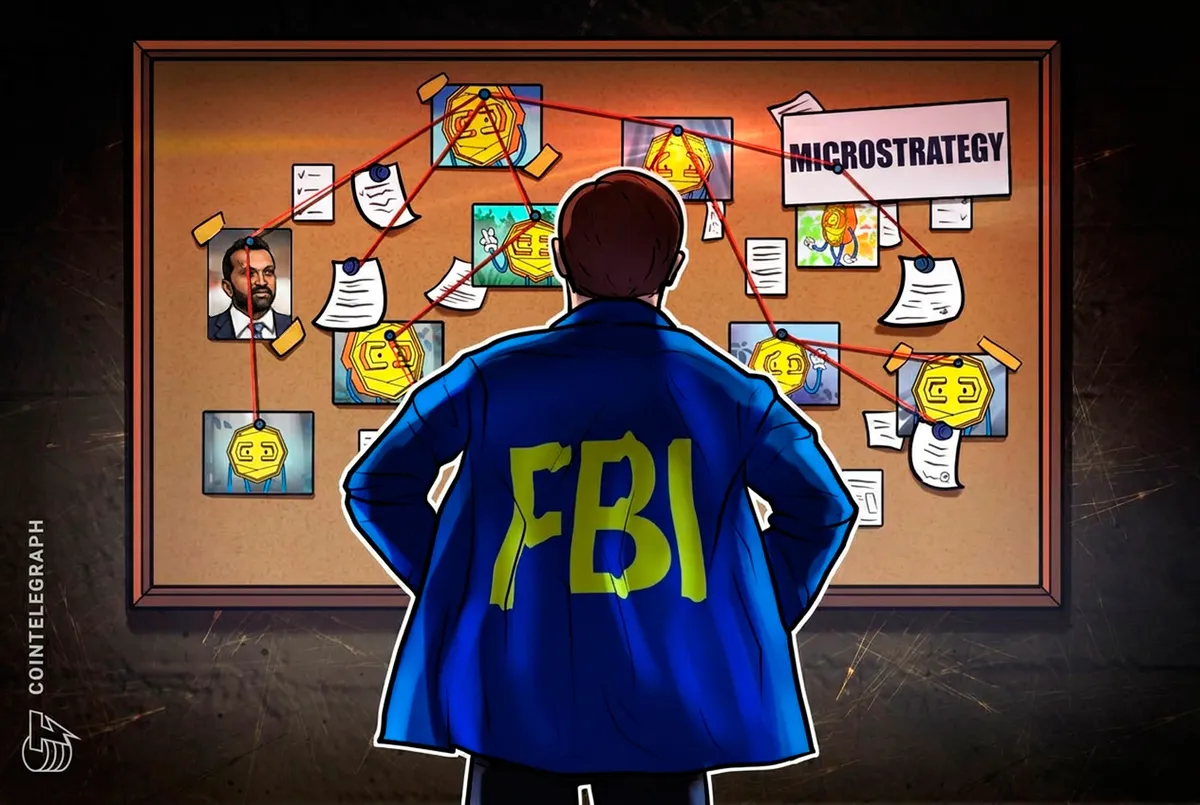
In a recent disclosure, FBI Director Christopher Wray revealed his holdings in Strategy, a registered U.S. government contractor, months after the required reporting deadline. According to reports, Wray's investment is valued between $100,001 and $250,000. Kash Patel, a former aide to Donald Trump, defended Wray’s late disclosure by asserting that “no current conflict exists” regarding the FBI director's financial ties to the company. The delay in reporting has raised eyebrows and sparked conversations about transparency and accountability among government officials.
Contextually, the requirement for government officials to report their financial holdings is designed to prevent conflicts of interest and maintain public trust in governmental operations. The specifics of these rules are crucial, especially for individuals in high-profile positions like Wray, who oversees an agency that plays a critical role in national security and law enforcement. The fact that this disclosure came well after the deadline has prompted questions about adherence to ethical standards and the implications for Wray's leadership.
This situation matters for the broader market and the public's perception of government integrity. The FBI's dealings with private contractors like Strategy can influence significant contracts and collaborations in the tech and defense industries. Investors and stakeholders closely monitor these disclosures, as they can indicate potential shifts in policy or funding priorities. The late reporting could undermine confidence in the FBI's commitment to ethical governance, which could have downstream effects on the market for government contracts and related sectors.
Industry reactions have been varied, with some experts emphasizing the importance of transparency in government dealings. Others, however, argue that as long as no direct conflicts exist, the late disclosure may not significantly impact Wray's ability to lead the FBI. Analysts suggest that public sentiment regarding government ethics could influence future policies aimed at enhancing compliance with disclosure requirements. The conversation surrounding this issue reflects broader concerns about governance and accountability in public office.
Moving forward, it will be essential to observe how this incident influences both public perception and legislative actions regarding disclosure requirements for government officials. Lawmakers may take this opportunity to review existing regulations and consider tightening rules to prevent similar occurrences in the future. As the situation develops, it will be interesting to see if there are any changes in policy or responses from other officials regarding their financial disclosures.

CoinMagnetic Team
Crypto investors since 2017. We trade with our own money and test every exchange ourselves.
Updated: July 2026
From our insights:
Related news

Bitcoin sees 42.71% rise in Q3 as ETFs attract $6.34 billion in inflows
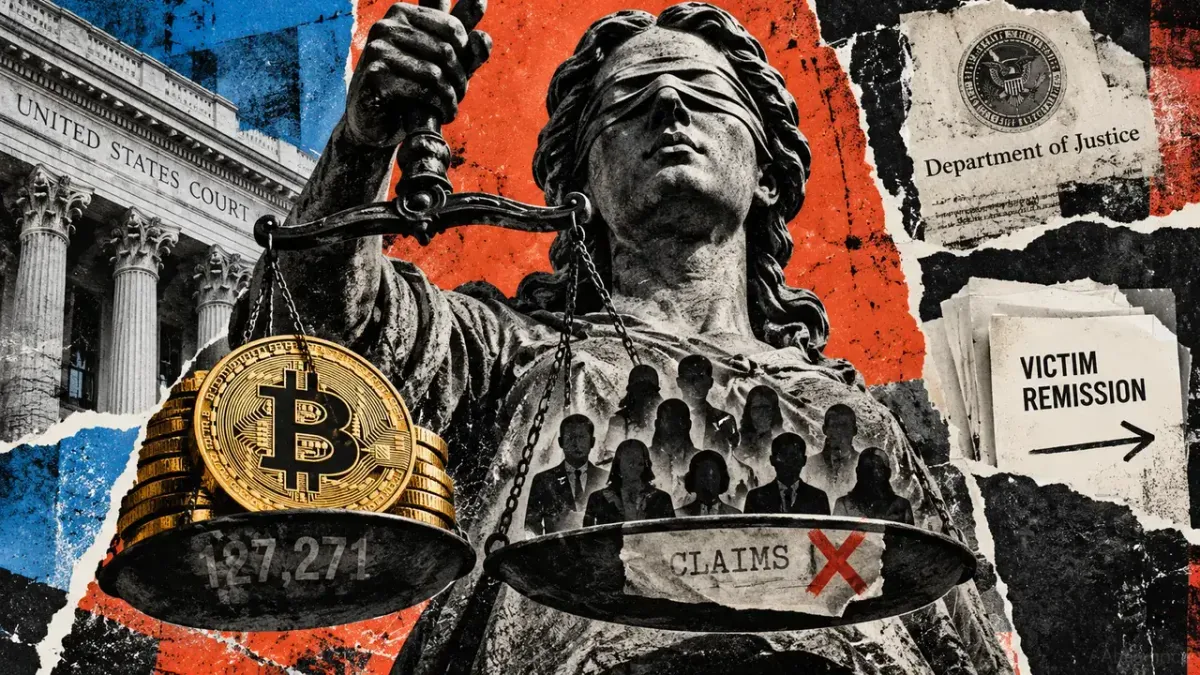
Court ruling denies victims access to 127,000 seized Bitcoin amid petition issues

Bitcoin Policy Institute critiques MSCI’s plan to exclude Strategy, Metaplanet from indexes

Brazil’s largest energy giant tests Cardano to fix carbon double-counting
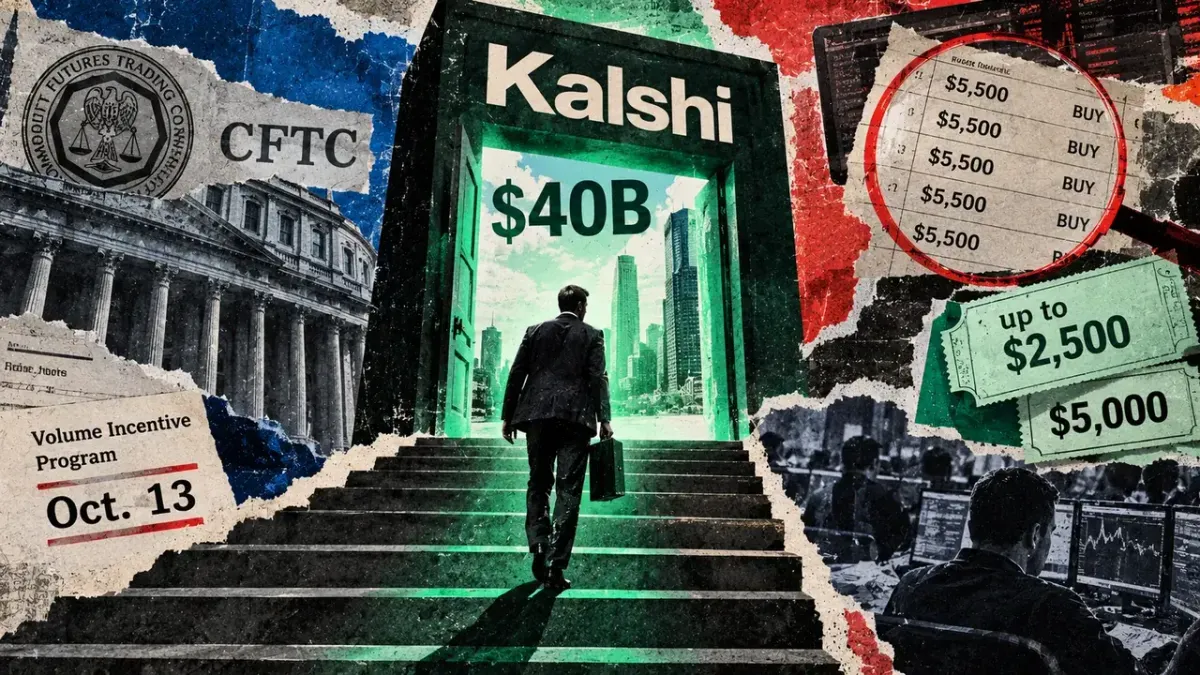
Kalshi's $40 billion growth faces scrutiny with trading volume program ending early