Even a mountain of T-bills won't save Tether and Circle from a sudden liquidity crisis, expert says

In a recent statement, the head of digital assets and tokenization at one of Germany’s largest asset managers raised concerns about the stability of two leading stablecoins–Tether (USDT) and Circle (USDC). He argued that despite their backing with U.S. Treasury bills and other reserves, these assets are not truly stablecoins in the traditional sense. His comments suggest that even a significant amount of high-quality collateral may not be sufficient to prevent a liquidity crisis for these digital currencies, especially in times of market stress. This perspective highlights the inherent risks associated with stablecoins, which many investors rely on for their perceived safety.
The discourse around stablecoins has evolved significantly since their inception, with increasing scrutiny from regulators and market participants alike. Initially designed to provide price stability by pegging their value to traditional fiat currencies, stablecoins like USDT and USDC have gained immense popularity in the crypto ecosystem. However, as the crypto market matures, questions surrounding their transparency, liquidity, and overall stability have emerged. The concerns expressed by the asset manager underscore a growing awareness that the backing assets of these stablecoins may not guarantee their performance during volatile market conditions.
This perspective is particularly crucial as the broader cryptocurrency market continues to grapple with regulatory uncertainty and fluctuating investor sentiment. If major players like Tether and Circle are deemed unreliable, it could lead to a significant loss of confidence among users and investors. Such a scenario might trigger a wider sell-off in the crypto market, impacting not just stablecoins but also other cryptocurrencies and tokens that rely on these stablecoins for trading and liquidity. The implications for market dynamics could be profound, as liquidity crises often exacerbate price volatility.
Industry experts have responded to these concerns with a mix of caution and acknowledgment of the challenges ahead. Some argue that while Tether and Circle have made strides in enhancing transparency and building trust, the underlying risks remain. Others emphasize the importance of regulatory frameworks to ensure that stablecoin issuers maintain adequate reserves and adhere to strict operational guidelines. The consensus seems to be that while stablecoins serve a vital function in the crypto ecosystem, the need for robust oversight and improved practices is more pressing than ever.
Looking ahead, the landscape for stablecoins could be on the verge of significant transformation. As regulatory bodies worldwide seek to establish clearer guidelines, issuers may need to adapt their operations to meet new standards. This could involve greater transparency in reserve management and enhanced liquidity protocols. Additionally, the market may see the emergence of new stablecoin models that prioritize stability and reliability, potentially reshaping the competitive landscape. As these developments unfold, the dialogue around the viability of established players like Tether and Circle will undoubtedly continue to play a pivotal role in shaping the future of digital currencies.

CoinMagnetic Team
Crypto investors since 2017. We trade with our own money and test every exchange ourselves.
Updated: May 2026
From our insights:
Related news

Solstice CEO predicts less volatile future for crypto cycles amid liquidity growth

Pragma flags 6 price feeds as critical risk following $3.5M Starknet lending exploit
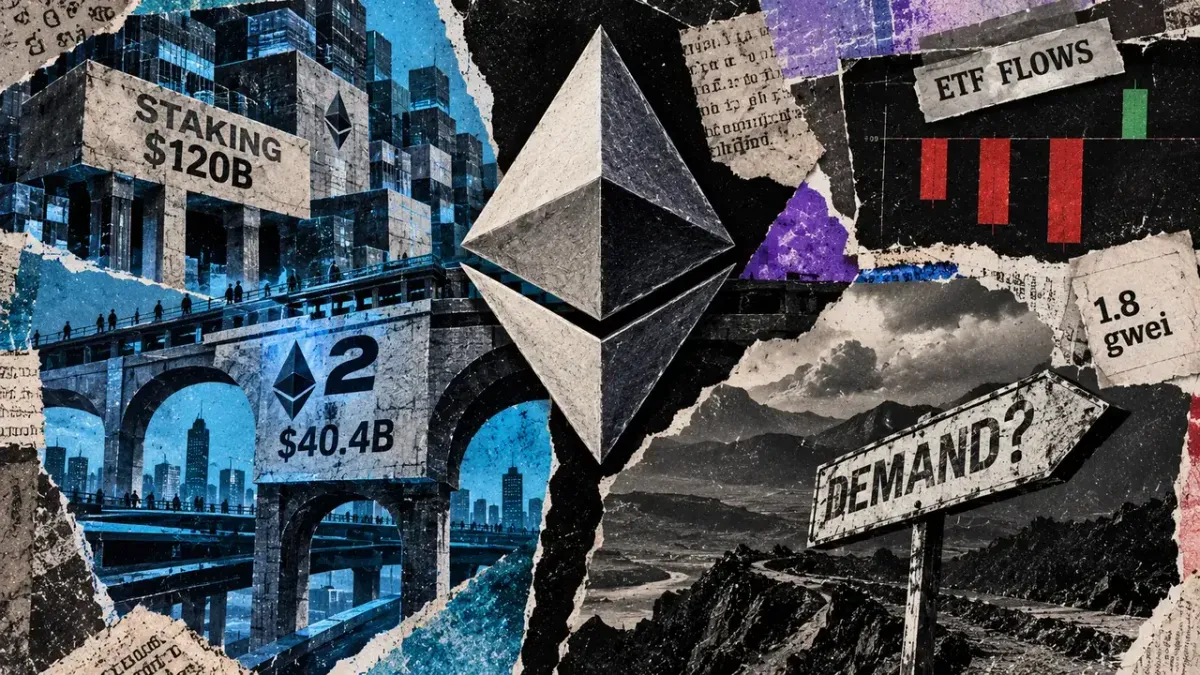
Ethereum's $120 billion in staking masks underlying supply dynamics

NEAR price surges 80% weekly as Intents volume approaches $30 billion
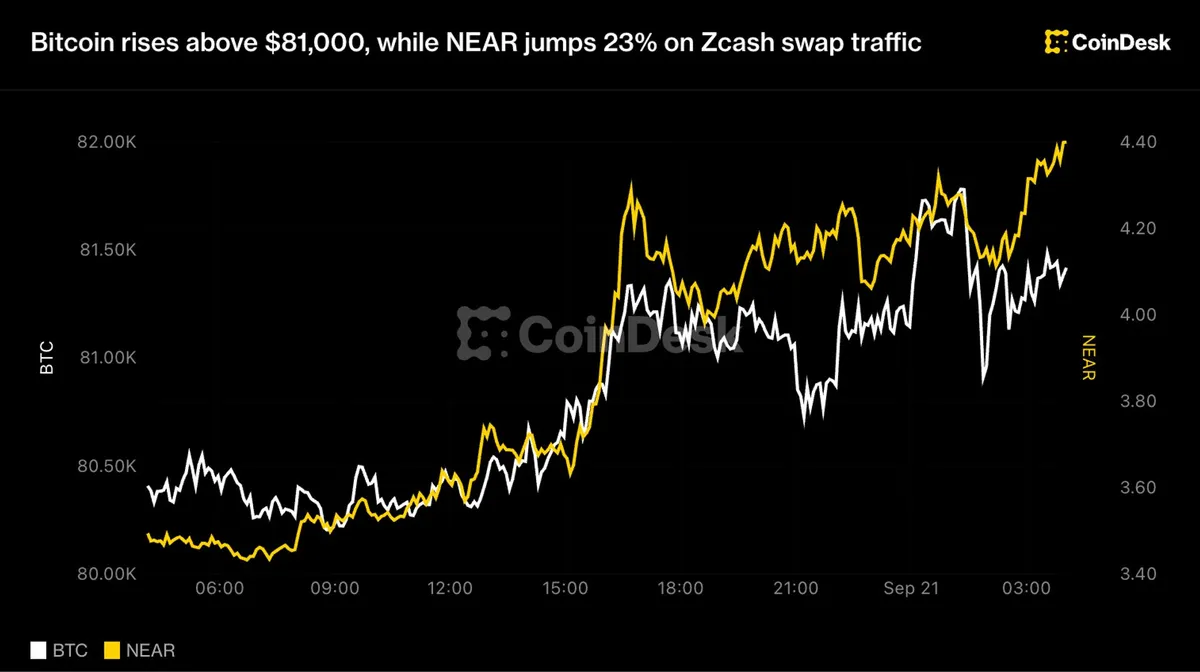
Bitcoin surpasses $81,000 as NEAR surges 23% amid Zcash swap activity