European Commission looks to expand MiCA to cover emergence of tokenization, non-EU stablecoin issuers: report

The European Commission is reportedly initiating efforts to expand the Markets in Crypto-Assets (MiCA) regulations to address the rapidly evolving landscape of tokenization and the growing presence of non-EU stablecoin issuers. This move comes as part of an ongoing dialogue with stakeholders, with a deadline for comments set for September 30. The proposed expansion aims to ensure that the regulatory framework remains relevant and robust in the face of emerging trends in the crypto space, particularly as tokenization gains traction across various asset classes and industries.
The MiCA regulations were originally introduced to provide a comprehensive legal framework for cryptocurrencies and related services within the European Union. This legislation aims to create a harmonized approach to crypto regulation, enhancing consumer protection while fostering innovation in the digital asset market. However, as the market evolves, the limitations of the current framework have become apparent, especially regarding the activities of non-EU entities and the implications of tokenized assets. The Commission's outreach for stakeholder feedback underscores the urgency to address these gaps and adapt to new developments.
This initiative is significant for the market as it could reshape how tokenized assets and non-EU stablecoins are regulated within the EU. With the rise of decentralized finance (DeFi) and the increasing popularity of stablecoins, regulatory clarity is crucial for fostering trust and stability in the market. By expanding MiCA to encompass these developments, the European Commission aims to create a balanced ecosystem where innovation can thrive while ensuring that regulatory oversight is effective and comprehensive. This could also set a precedent for other jurisdictions grappling with similar issues, potentially influencing global regulatory practices.
Industry experts have reacted positively to the Commission's proactive approach, viewing it as a necessary step to acknowledge the complexities brought about by tokenization and non-EU stablecoin activities. Many believe that a clear regulatory framework will not only protect consumers but also encourage responsible innovation in the crypto space. Some stakeholders have expressed concerns about overregulation, fearing it could stifle growth and push innovation outside the EU. However, the overall sentiment appears to lean toward a collaborative effort to establish guidelines that are both protective and conducive to growth.
Looking ahead, the next steps will likely involve a thorough analysis of the feedback received from stakeholders by the September deadline. The Commission will need to balance the interests of various parties, including traditional financial institutions, crypto businesses, and consumers, while crafting comprehensive regulations that address the nuances of tokenization and non-EU stablecoins. As this process unfolds, we can expect ongoing discussions and potential legislative proposals that could significantly impact the future of crypto regulation in Europe.

CoinMagnetic Team
Crypto investors since 2017. We trade with our own money and test every exchange ourselves.
Updated: July 2026
From our insights:
Related news
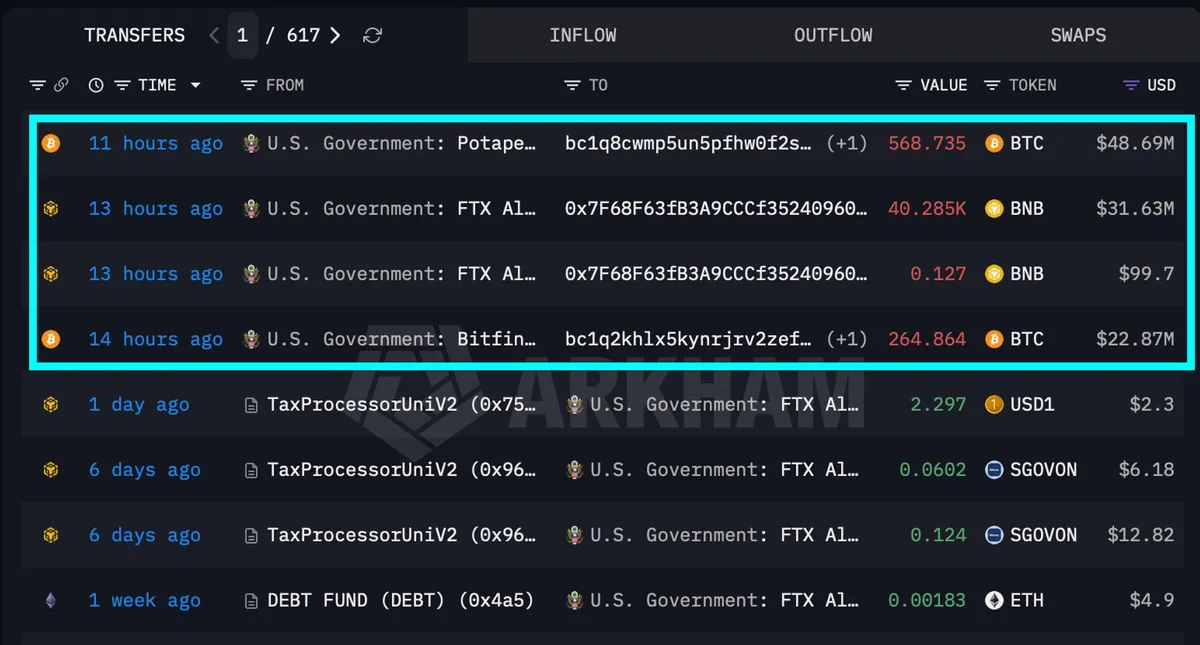
U.S. government transfers over $100 million in BTC and BNB amid speculation

Kalshi's gold markets see 542 million contracts, surpassing Ether's 318 million

Bitcoin drops under $84,000 threshold amid rising oil prices from tanker attacks

Bitcoin dips under $84,000 as long liquidations hit $487 million

Bitcoin.de trading remains halted as German regulator rejects MiCA application