Bitcoin slides as Iran ceasefire collapse sees $75 oil on Hormuz blockade threats

Bitcoin has recently faced notable downward pressure, with its price sliding toward the critical $61,000 mark. This decline comes in the wake of escalating geopolitical tensions following the collapse of the US-Iran ceasefire. Oil prices have surged to around $75 per barrel, driven by fears of a blockade in the Strait of Hormuz, a vital waterway for global oil transportation. The combination of these factors has created a sense of uncertainty in the financial markets, with Bitcoin's price reflecting the overall risk sentiment among investors.
To understand the current situation, it's essential to consider the broader context of US-Iran relations and their implications for global markets. The ceasefire's collapse has reignited concerns over potential military conflicts in the region, which have historically had significant ramifications on oil prices and, subsequently, on cryptocurrencies like Bitcoin. The Strait of Hormuz, through which a substantial portion of the world's oil supply is transported, has been a focal point of tensions, and any disruptions could lead to supply shortages and increased prices, further amplifying market volatility.
The connection between oil prices and Bitcoin is multifaceted. Traditionally viewed as a safe-haven asset, Bitcoin often reacts to macroeconomic events that impact investor confidence. As oil prices rise due to geopolitical instability, investors may seek to hedge against inflation and currency devaluation, potentially turning to Bitcoin. However, in times of uncertainty, there can also be a flight to liquidity, leading to a sell-off in riskier assets, including cryptocurrencies. This duality makes Bitcoin particularly sensitive to such geopolitical developments, which can sway market sentiment dramatically.
Industry experts have weighed in on the situation, noting that the current dynamics could lead to increased volatility in the cryptocurrency market. Some analysts argue that the recent price movements reflect a broader trend of Bitcoin's correlation with traditional commodities and geopolitical events. Others caution that while Bitcoin has the potential to be a hedge against oil-driven inflation, the immediate reaction to geopolitical tensions may continue to drive prices down in the short term as investors reassess their positions.
Looking ahead, the situation remains fluid, and the cryptocurrency market will likely continue to react to developments in the US-Iran conflict and its impact on oil prices. Investors and analysts will be closely monitoring any announcements or changes in the geopolitical landscape, as these could significantly influence Bitcoin's trajectory. Additionally, as the market digests these developments, we may see shifts in trading strategies, with some investors potentially seeking refuge in Bitcoin if tensions escalate further.

CoinMagnetic Team
Crypto investors since 2017. We trade with our own money and test every exchange ourselves.
Updated: July 2026
From our insights:
Related news
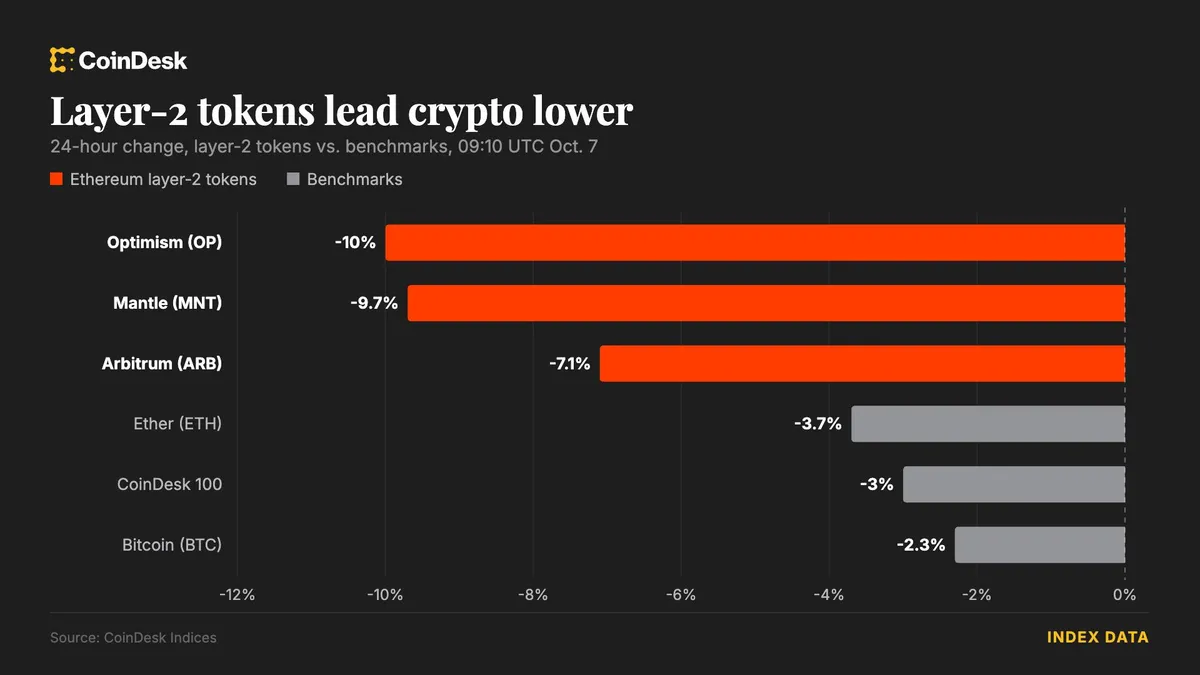
Liquidations soar to $547 million as oil prices surge impacts crypto

World Liberty Financial introduces USD1 payments for online platforms

Hyperliquid CEO argues Wall Street wealth model is unsustainable for retail investors

Wealthy investors show stronger Bitcoin commitment, BingX exec says

Jito's JTX to launch mobile app this fall, expanding beyond spot trading