EU lawmakers urge assessing DeFi, staking, NFT regulation
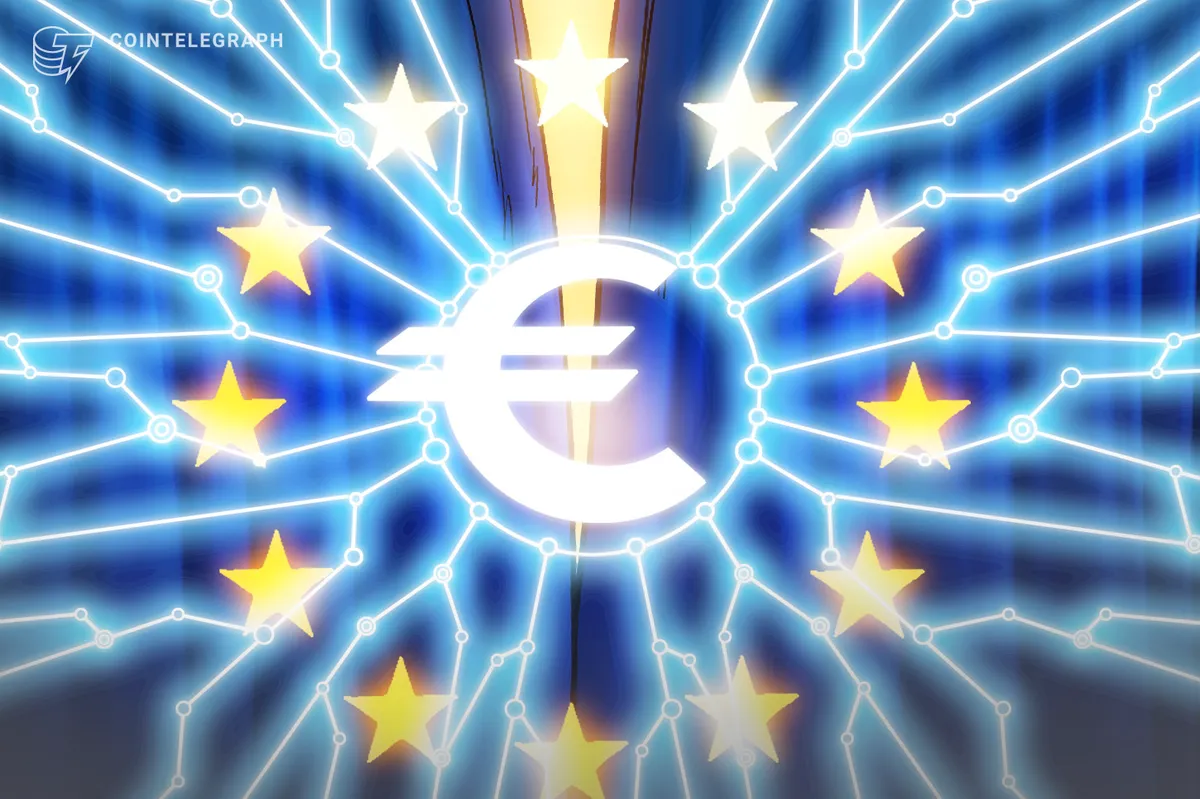
Recently, EU lawmakers have put forth a nonbinding report that emphasizes the need for a thorough assessment of regulations concerning decentralized finance (DeFi), staking, and non-fungible tokens (NFTs). This report is part of the European Parliament's broader vision for the future of cryptocurrency regulation within the EU. Lawmakers expressed concerns about the potential fragmentation of regulations if individual member states were to adopt their own rules under the Markets in Crypto-Assets (MiCA) framework. The report advocates for a cohesive approach to regulation, which would ensure that the EU maintains a competitive edge in the global crypto landscape.
The context surrounding this report is crucial to understanding the EU’s regulatory strategy. MiCA, which aims to establish a comprehensive regulatory framework for digital assets within the EU, has been in development for some time. However, with the rapid evolution of the crypto market, particularly in areas such as DeFi and NFTs, lawmakers recognize that existing regulations may not fully encapsulate the complexities and innovations of these sectors. The push for a unified regulatory approach reflects the EU’s desire to avoid regulatory arbitrage and ensure that the market operates under consistent rules across all member states.
This development is significant for the cryptocurrency market as it signals the EU's commitment to creating a balanced regulatory environment that fosters innovation while protecting consumers. By urging a comprehensive assessment of DeFi, staking, and NFTs, lawmakers aim to provide clarity for businesses and investors alike. This clarity could potentially lead to increased confidence in the market, encouraging more institutional participation and paving the way for further innovation. However, the emphasis on a collective regulatory framework may also raise concerns among some stakeholders who fear that overregulation could stifle growth and limit the potential of these emerging technologies.
Industry reactions to the report have been mixed. Some experts see it as a positive step toward establishing a clear regulatory landscape that could enhance the legitimacy of cryptocurrencies and blockchain technology. Others, however, caution that the regulatory process needs to be flexible enough to adapt to the fast-paced nature of the crypto world. Many in the industry are advocating for a dialogue between regulators and crypto companies to ensure that the regulations do not inadvertently hinder innovation. This balance will be crucial as the EU moves forward in shaping its regulatory framework.
Looking ahead, the next steps will involve further discussions among EU lawmakers, stakeholders, and industry representatives to refine the proposed regulations. Assessing the implications of DeFi, staking, and NFTs will be a key focus, as lawmakers seek to understand the potential risks and benefits associated with these innovations. As the EU continues to develop its regulatory approach, the outcomes of these deliberations will likely have significant implications not just for the European market, but for the global cryptocurrency landscape as well.

CoinMagnetic Team
Crypto investors since 2017. We trade with our own money and test every exchange ourselves.
Updated: June 2026
From our insights:
Related news
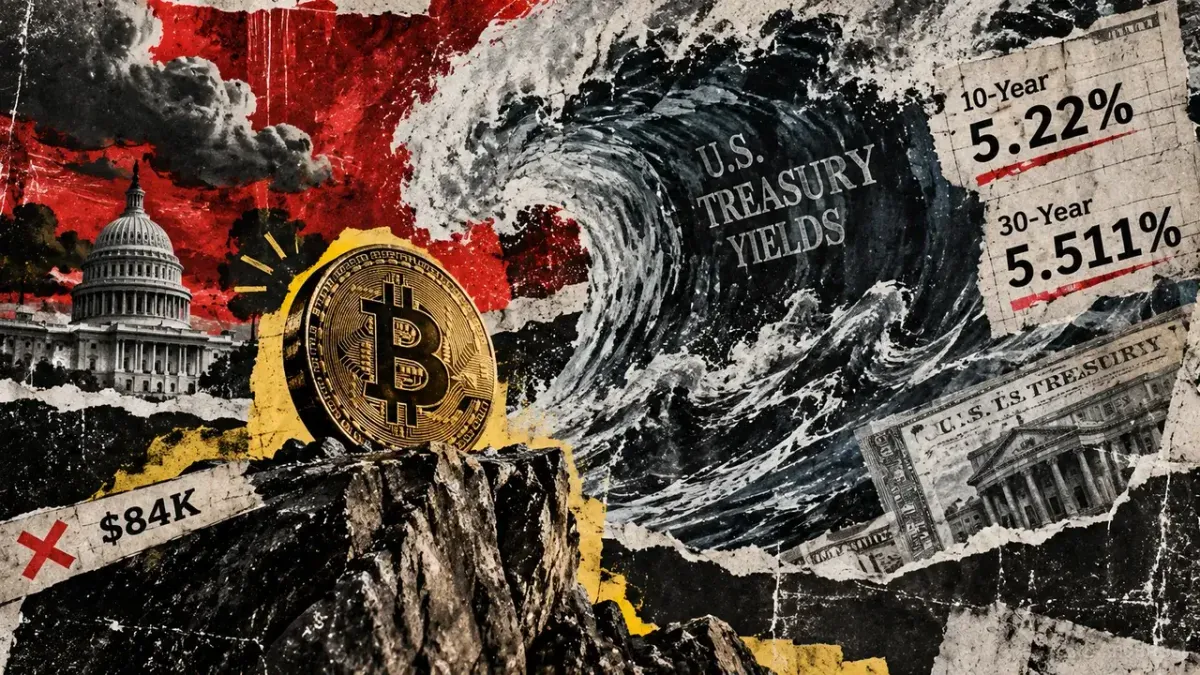
Bitcoin remains steady near $84,000 amid 5.2% Treasury yield spike
Aave V4 on Base adds Coinbase tokenized stocks as collateral for USDC loans
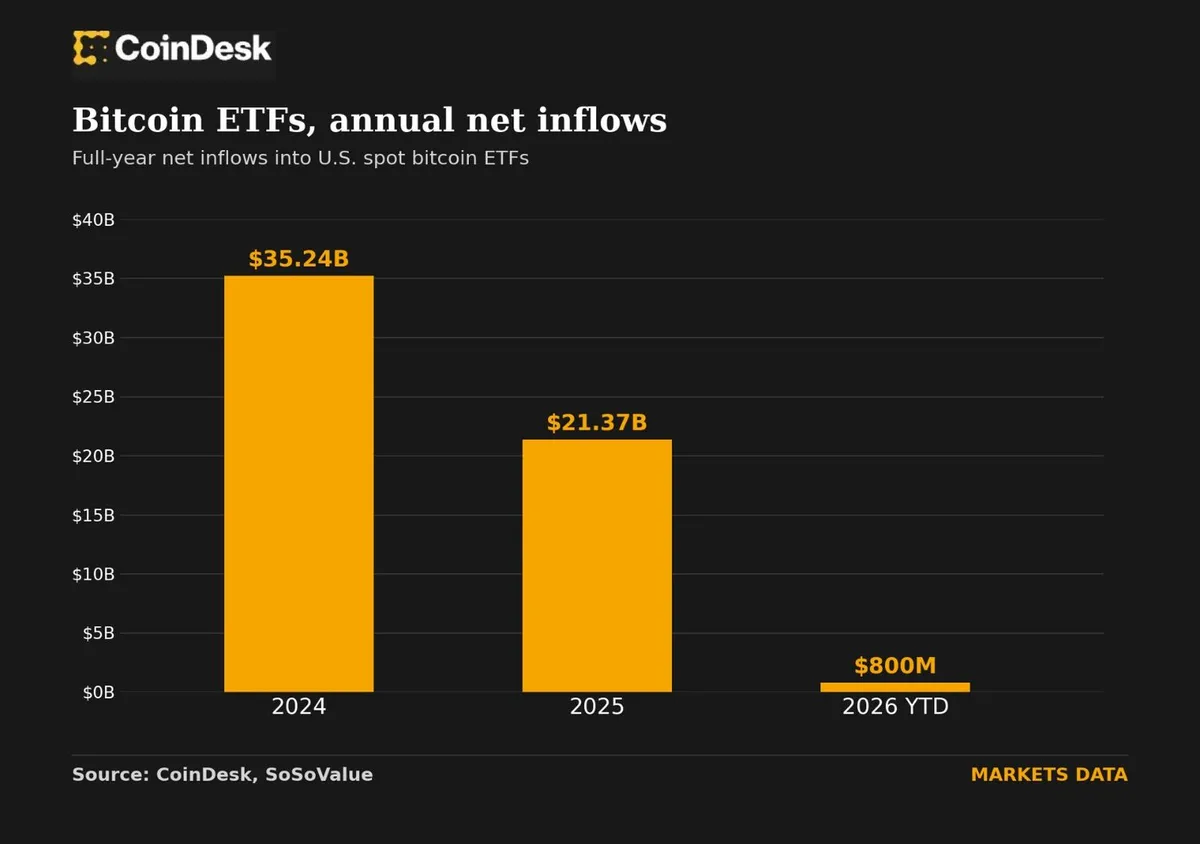
Bitcoin ETFs shift from $5.8 billion outflows to $800 million inflows in 2026
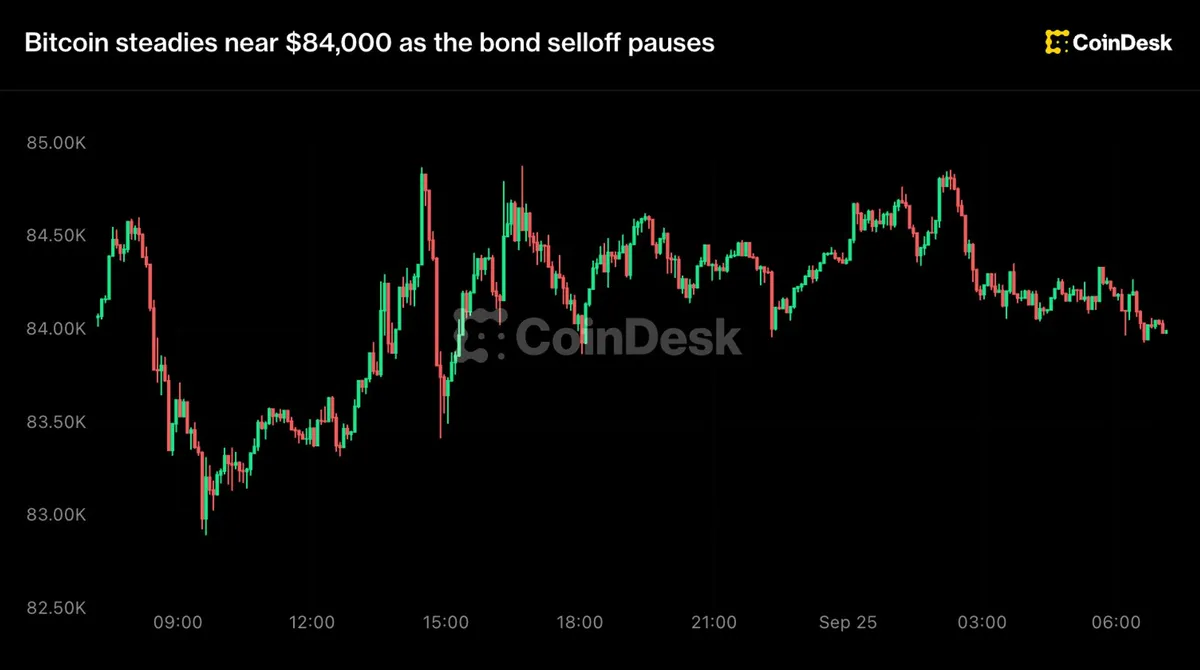
Bitcoin holds near $84,000 as Treasury yields ease amid bond selloff pause
Over $170 million in crypto transferred from Bitget to unknown address