New South Korean rules give crypto exchanges seven days to act on asset seizures
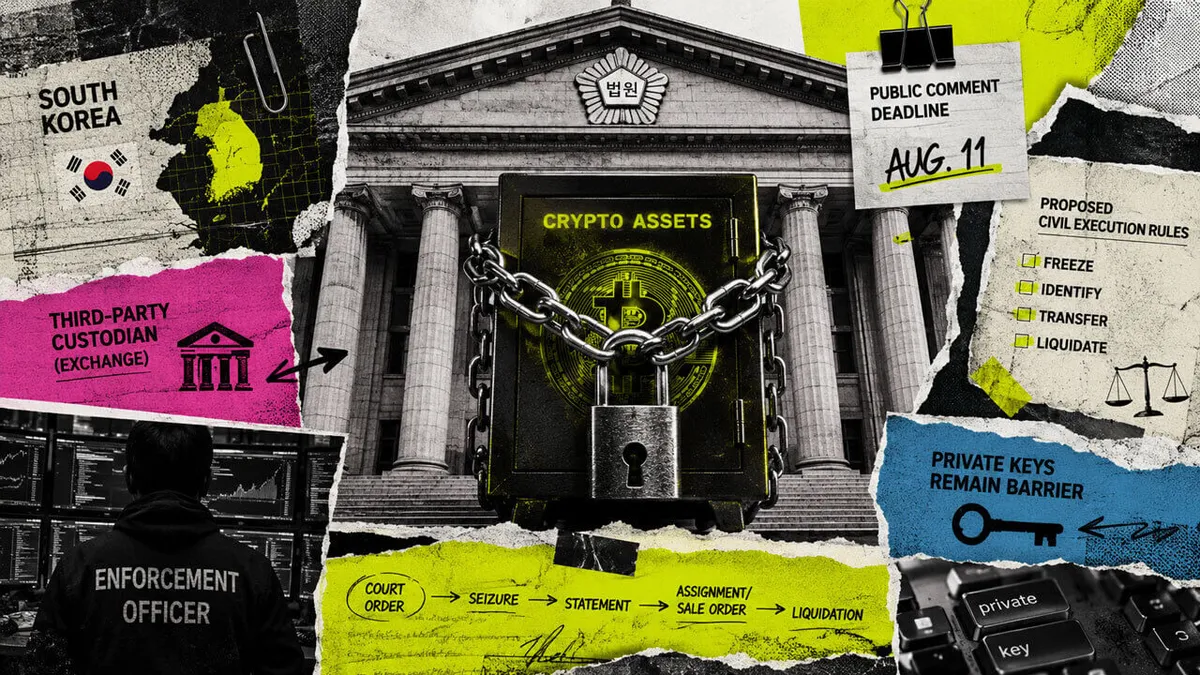
South Korea has introduced new regulations that place crypto exchanges under a seven-day deadline to comply with asset seizure requests from civil creditors. These rules will empower creditors to compel custodians to freeze, disclose, transfer, swap, and even sell the assets of debtors. If these regulations advance as planned, this could mark a significant shift in how crypto assets are managed in the country, with implications for both exchanges and their users.
The context for these developments stems from the South Korean government's ongoing efforts to regulate the cryptocurrency sector more stringently. Amid rising concerns over the use of digital currencies for illicit purposes, officials have been working to create a framework that balances consumer protection with the need for innovation in the financial technology space. This new seven-day clock for asset seizure is a step towards enhancing accountability and transparency in crypto transactions.
This matters for the market as it could alter the dynamics between creditors and crypto exchanges significantly. If implemented, these rules may lead to increased scrutiny of exchanges and could potentially make them less attractive for users who fear that their assets could be subject to rapid seizure. Investors and traders will need to consider the risks associated with holding assets on exchanges, which might now have heightened obligations to respond to creditor actions.
Industry reactions to these proposed rules have been mixed. Some experts believe that the regulations could foster a more secure environment for users by ensuring that exchanges are held accountable for their custodial responsibilities. However, others express concerns that the enhanced powers granted to creditors might create an atmosphere of distrust, discouraging individuals from engaging with crypto exchanges altogether. This tension between regulation and market confidence will be crucial as the industry navigates these changes.
Looking ahead, the success of these regulations will depend on how effectively they are enforced and how exchanges adapt to the new requirements. The next steps will involve monitoring the response from the crypto community and assessing the potential impacts on trading volumes and user engagement. As the situation evolves, stakeholders will be keen to see if these measures lead to improved market integrity or if they present new challenges for the burgeoning crypto ecosystem.

CoinMagnetic Team
Crypto investors since 2017. We trade with our own money and test every exchange ourselves.
Updated: August 2026
From our insights:
Related news
Over $170 million in crypto transferred from Bitget to unknown address

RockawayX launches $150 million initiative to enhance DeFi yields
Bitcoin drops to $83,300 as U.S. bond yields reach 2007 highs

EBA proposes new crypto lending regulations under MiCA review

Bitcoin drops to $83,200 amid 19-year high in Treasury yield and Fed hike odds