EU lawmakers adopt digital assets policy stance after MiCA transition ends

The European Parliament has taken a significant step in shaping the future of digital assets by adopting a comprehensive report that outlines a policy stance on various aspects of the crypto sector. This move comes right after the transition period for the Markets in Crypto-Assets Regulation (MiCA) ended, which had established a regulatory framework for cryptocurrencies within the European Union. The newly adopted report emphasizes the need for further assessment of decentralized finance (DeFi), staking mechanisms, crypto lending practices, and non-fungible tokens (NFTs), signaling a proactive approach to addressing the evolving landscape of digital assets.
The MiCA regulation, which was initially proposed to provide clarity and security in the crypto market, has set the stage for this latest development. As the transition period concluded, EU lawmakers recognized that while MiCA laid a foundation, the rapid growth and diversification of digital assets necessitate a deeper exploration into specific sectors like DeFi and NFTs. This report is not just a continuation of existing regulations but rather an acknowledgment that the cryptocurrency ecosystem is dynamic and requires ongoing evaluation to ensure consumer protection and market integrity.
This move is particularly relevant for the market as it indicates the EU's commitment to creating a robust regulatory environment that can keep pace with technological advancements. By focusing on areas such as staking and crypto lending, the EU is addressing potential risks associated with these practices, which have seen exponential growth in recent years. Furthermore, the emphasis on NFTs reflects the increasing importance of digital collectibles and their economic implications. This proactive stance could enhance investor confidence and encourage responsible innovation within the crypto space.
Industry reactions have been mixed, with some experts praising the EU's initiative as a necessary evolution in regulatory approach, while others caution against over-regulation that might stifle innovation. Proponents argue that this level of scrutiny is essential for fostering a safe environment for both investors and developers. Meanwhile, skeptics express concerns that stringent regulations could push crypto-related activities outside of the EU, potentially leading to a brain drain of talent and innovation to more crypto-friendly jurisdictions.
Looking ahead, the adoption of this report is likely to pave the way for more detailed regulations addressing the specific areas highlighted. As EU lawmakers gather feedback from industry stakeholders, we can expect ongoing discussions that may lead to the introduction of targeted regulations in the near future. The crypto community will be closely monitoring these developments as they unfold, eager to see how the EU balances regulation with the need for innovation in this rapidly evolving sector.

CoinMagnetic Team
Crypto investors since 2017. We trade with our own money and test every exchange ourselves.
Updated: July 2026
From our insights:
Related news

DeFi Development reports NAV per share more than doubled with 2.56 million SOL

Stripe to expand stablecoin cards to over 100 countries by the end of the year

Bitcoin remains steady at $86,000 despite dollar reaching 18-month high
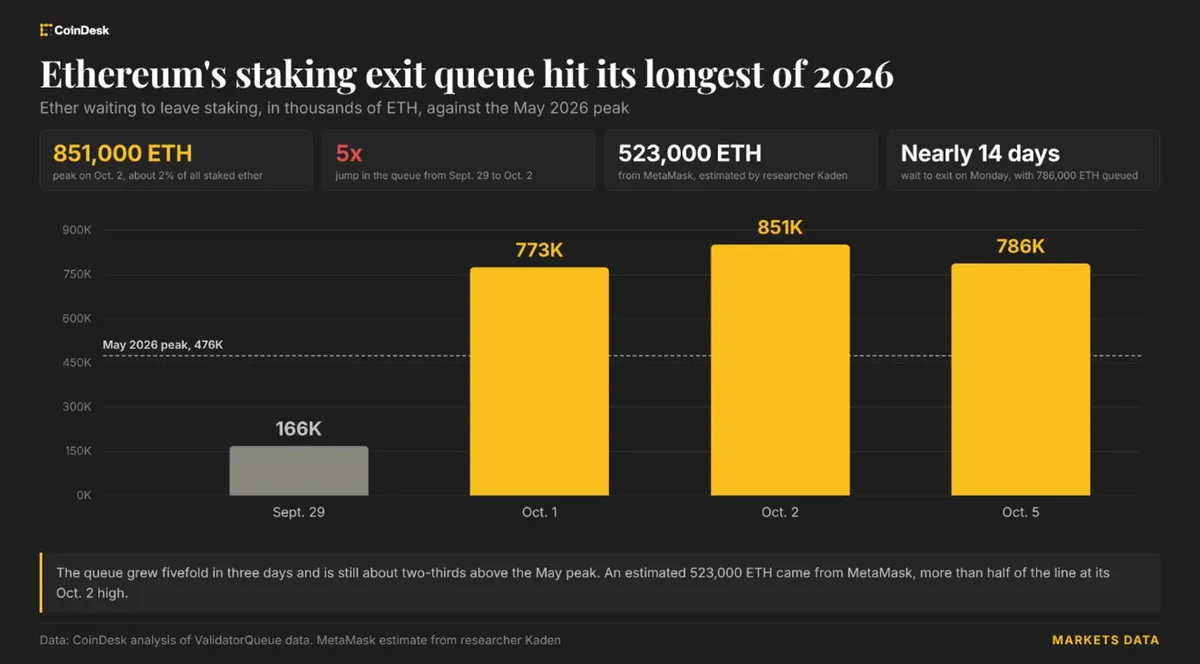
Ethereum staking wait time extends to 25 days as 1.5 million ETH line up
European issuers stress need for USD stablecoins despite euro alternatives