DeFi protocol Summer Finance exploited for $6 million; analysts point to flash loan attack

In a significant breach that has sent shockwaves through the decentralized finance (DeFi) community, Summer Finance has fallen victim to an exploit that has resulted in the loss of approximately $6 million. The attack appears to have been orchestrated using a flash loan, a mechanism that allows users to borrow large sums of cryptocurrency without collateral, provided the funds are returned within the same transaction. Reports indicate that the attacker leveraged a staggering $65.4 million flash loan to manipulate the protocol, ultimately netting a $70.9 million redemption from Summer Finance's Lazy Summer Protocol.
To understand the implications of this exploit, it's essential to consider the context surrounding DeFi protocols and their susceptibility to such attacks. Flash loans are a double-edged sword, enabling users to access significant liquidity quickly but also presenting opportunities for malicious actors. The rise of DeFi has been characterized by rapid innovation and the adoption of complex financial instruments, which, while providing unprecedented access to financial services, have also opened the door for vulnerabilities. This incident highlights the ongoing challenges in ensuring security within the DeFi landscape, particularly for protocols that may not have robust risk management measures in place.
The ramifications of this exploit extend beyond the immediate financial loss for Summer Finance. Market participants are likely to reassess their risk exposure to similar protocols, which could lead to a broader impact on DeFi investments. Trust in the security of these platforms is paramount, and incidents like this can lead to a temporary withdrawal of liquidity as investors shy away from perceived risks. Additionally, the event may prompt regulatory scrutiny as authorities evaluate the need for oversight in an increasingly complex financial ecosystem.
Reactions from the industry have been swift, with several analysts and experts weighing in on the implications of the attack. Some have pointed to the need for improved security protocols and risk assessment tools for DeFi platforms, stressing that the current landscape requires greater accountability and transparency. Others have debated the role of flash loans in facilitating such exploits, calling for an industry-wide discussion on best practices and potential safeguards. Overall, the sentiment appears to be one of cautious concern, as stakeholders grapple with the balance between innovation and security.
As the dust settles on this incident, the industry will likely focus on the next steps to mitigate similar risks in the future. Developers and protocols may prioritize the implementation of enhanced security measures and auditing processes to protect against such vulnerabilities. Furthermore, discussions surrounding the regulation of flash loans and DeFi practices will likely gain momentum as stakeholders seek to establish a safer environment for users. This exploit serves as a stark reminder that while DeFi holds immense potential, the infrastructure supporting it must evolve to address the inherent risks involved.

CoinMagnetic Team
Crypto investors since 2017. We trade with our own money and test every exchange ourselves.
Updated: July 2026
From our insights:
Related news

European issuers stress need for USD stablecoins despite euro alternatives

Cardano's DeFi ecosystem contracts over 50% as RealFi seeks revival through credit
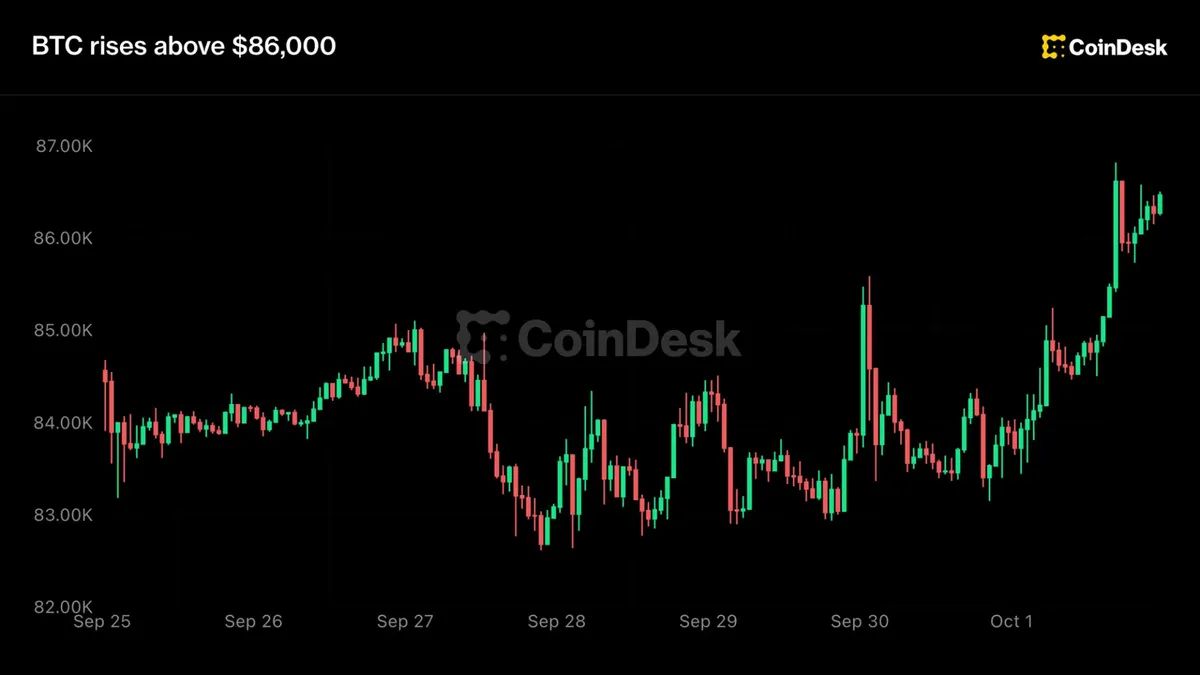
Bitcoin hovers around $87,000 amid U.S. jobs report miss
Aave founder reassures that V3 is secure despite $305K exploit
Bitcoin faces challenges in October despite strong September performance