EU hits Russia with massive 21st sanctions package targeting $120B crypto network
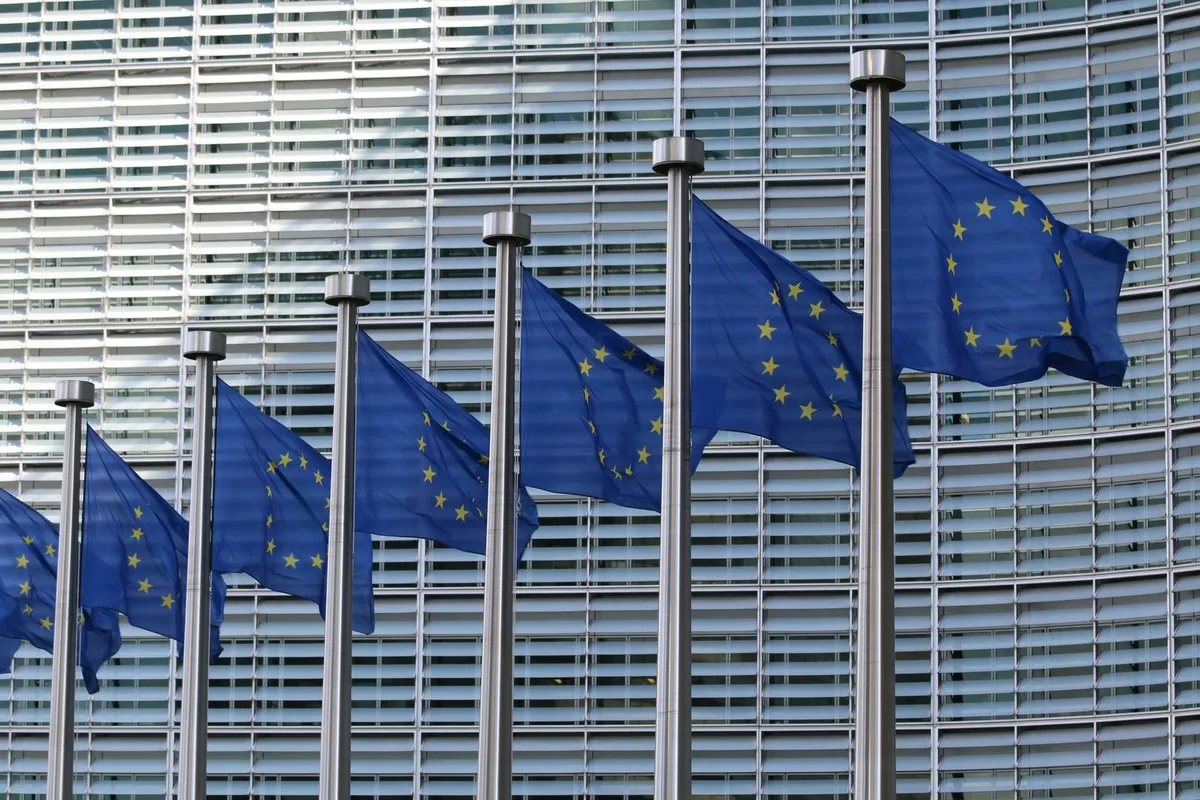
The European Union is poised to implement a significant sanctions package against Russia, marking its 21st round of sanctions since the onset of the conflict with Ukraine. This latest initiative aims to disrupt an estimated $120 billion crypto network that has been facilitating financial transactions for Russian entities. Among the proposed measures, the EU is considering a ban on third-country crypto service providers, a move that could have far-reaching implications for how cryptocurrencies are utilized in global markets. In addition, the sanctions package targets 14 unnamed crypto companies believed to be operating in connection with the Russian financial system, further tightening the screws on Russia's access to digital assets.
This development comes in the wake of increasing concerns about the role of cryptocurrencies in circumventing sanctions. As traditional financial channels have been severely restricted for Russian entities, many have turned to crypto as an alternative means of conducting transactions. The EU's decision to expand its sanctions framework to include crypto service providers reflects a growing recognition of the need to address the evolving landscape of digital finance. By targeting these specific companies, the EU aims to diminish the capabilities of Russian businesses to leverage cryptocurrencies for economic resilience amid ongoing sanctions.
The implications of this sanctions package are substantial for the crypto market. It signals a heightened regulatory environment, especially for companies operating in or with ties to the EU. As the lines between traditional finance and cryptocurrency continue to blur, firms may need to reassess their compliance strategies and operational frameworks. For the crypto community, this could lead to increased scrutiny and potential shifts in trading practices, particularly for entities that facilitate cross-border transactions involving Russian clients.
Industry reactions have been varied, with some experts praising the EU's proactive stance against the use of cryptocurrencies for illicit purposes. Others, however, express concern that such measures could stifle innovation and limit access to financial services for legitimate users. Many in the crypto space are calling for clearer guidelines on compliance and the responsibilities of third-party service providers to prevent misuse of digital assets while still fostering a healthy market environment.
Looking ahead, the implementation of these sanctions will likely set a precedent for future regulatory actions concerning cryptocurrencies in the EU and beyond. As the global landscape continues to evolve, the crypto industry may face increased pressure to adopt measures that enhance transparency and accountability. Stakeholders will be closely monitoring how these developments unfold and what further regulatory actions may follow, as governments around the world grapple with the implications of digital currencies in an increasingly interconnected financial ecosystem.

CoinMagnetic Team
Crypto investors since 2017. We trade with our own money and test every exchange ourselves.
Updated: July 2026
From our insights:
Related news

Gemini co-founders PAC enters Texas Senate race with an $81K ad placement

Regulatory actions compensate for Clarity Act setback, JPMorgan notes

Blockchain Association urges congressional tax clarity for digital assets

Central Bank of Ireland penalizes Coinbase unit 3.6 million dollars over compliance flaws

Morgan Stanley and JPMorgan move to block rogue customer AI agents