EU authorities include HTX exchange in Russian sanctions

The European Union has taken decisive action by including the HTX cryptocurrency exchange in its list of sanctioned entities in response to Russia’s ongoing military actions. This move comes as part of a broader strategy to restrict the financial capabilities of individuals and organizations supporting or benefiting from the conflict. HTX, which had already faced sanctions from the United Kingdom, is now recognized by EU authorities as one of 18 entities that are allegedly circumventing the EU's sanctions by offering crypto-asset services or payment solutions that facilitate transactions for Russian nationals. This development underscores the EU's commitment to tightening its sanctions regime and curbing the use of cryptocurrencies in avoiding financial restrictions.
To understand the significance of this action, it is essential to consider the escalating geopolitical tensions following Russia's invasion of Ukraine. In response, numerous countries, including the EU and the UK, have implemented extensive sanctions targeting various Russian sectors, including finance, energy, and technology. The rise of cryptocurrencies has raised concerns among regulators, as these digital assets can provide a means for individuals and entities to conduct transactions beyond the conventional banking system, potentially undermining the effectiveness of sanctions. By sanctioning HTX, the EU aims to close loopholes that may allow for the continued support of the Russian regime through unregulated financial channels.
The inclusion of HTX in the EU sanctions list is significant for the cryptocurrency market, as it highlights the increasing scrutiny and regulatory pressure on exchanges operating in the space. This move may lead to a ripple effect, prompting other jurisdictions to reevaluate their stance on cryptocurrency exchanges that facilitate transactions for sanctioned entities. Traders and investors may react to this news by reassessing their engagement with exchanges that operate in or have ties to regions under sanctions, leading to potential shifts in trading volumes and market behavior. As regulatory frameworks continue to evolve, this could further influence the dynamics of the cryptocurrency market.
Industry experts have voiced their opinions on this sanctioning decision, emphasizing the need for greater compliance and transparency within the crypto ecosystem. Some analysts believe that while sanctions like these are necessary to prevent the misuse of cryptocurrencies, they also serve as a wake-up call for exchanges to implement more robust Know Your Customer (KYC) and Anti-Money Laundering (AML) protocols. The reaction from the crypto community has been mixed, with some supporting the sanctions as a means of promoting responsible practices, while others express concern over the potential overreach of regulatory measures that could stifle innovation in the sector.
Looking ahead, it remains to be seen how HTX will respond to these sanctions and whether it will seek to comply with EU regulations or challenge the decision. Moreover, as geopolitical tensions continue to evolve, further regulatory actions may be anticipated not just in Europe, but globally. The situation serves as a reminder that the intersection of cryptocurrency and international politics is becoming increasingly complex, necessitating ongoing vigilance from both market participants and regulators alike. As the landscape continues to shift, stakeholders will need to adapt to ensure compliance and mitigate risks associated with operating in a highly regulated environment.

CoinMagnetic Team
Crypto investors since 2017. We trade with our own money and test every exchange ourselves.
Updated: July 2026
From our insights:
Related news

Lionel Messi chess advertisement featuring ChatGPT sparks viral debate over AI board setup and opening moves

A16z expands focus from crypto to AI and emerging tech investments
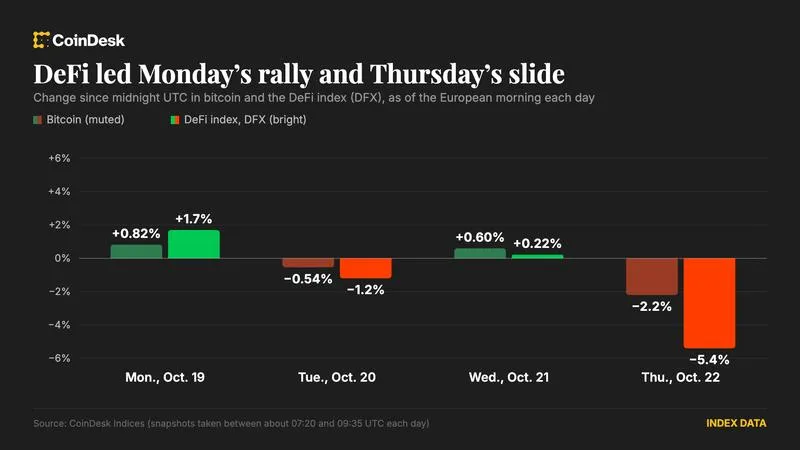
Bitcoin drops to around $81,600 amid renewed AI skepticism, DeFi tokens fall
Cardano Foundation warns EU that expanding MiCA rules to DeFi risks uncertainty

Dataline raises $10.6 million for decentralized data network for AI agents, plans ICO