Ethereum treasury firms lean on staking as ETF pressure builds: Report

A recent report from Everstake reveals that staking has emerged as a significant revenue stream for Ethereum treasury firms, accounting for 60% of disclosed revenue among a group of six companies. This comes at a time when the industry faces increasing pressure from the growing interest in exchange-traded funds (ETFs) focused on cryptocurrencies. With several firms in the Ethereum ecosystem grappling with substantial losses–totaling $1.41 billion for loss-making companies–staking appears to be a crucial strategy for these firms to stabilize their financial standings.
The context of this situation is critical. Ethereum underwent a major transformation with its transition to a proof-of-stake (PoS) consensus mechanism, which not only improved its energy efficiency but also opened up new avenues for revenue generation through staking. As Ethereum continues to evolve, firms have increasingly turned to staking as a way to earn rewards and generate predictable income streams, which is particularly important in a volatile market. The backdrop of potential ETFs targeting Ethereum adds another layer of complexity, as firms may feel compelled to bolster their financial performance to appeal to institutional investors.
This focus on staking is significant for the market as it reflects a broader shift in how crypto companies are adapting their business models in response to market pressures and regulatory developments. As staking becomes more prominent, it could lead to greater liquidity and stability within the Ethereum ecosystem. Additionally, the success of staking could influence investment decisions among both retail and institutional investors, as they seek opportunities that offer not just exposure to crypto assets but also potential yields.
Industry reactions to this report have been mixed. Some experts view the reliance on staking as a positive sign, suggesting that it demonstrates the maturity of Ethereum as a platform and the ability of firms to innovate in challenging circumstances. Others, however, express concern about the sustainability of this revenue model, especially given the substantial losses reported. Critics argue that firms may need to diversify their income streams beyond staking to withstand future market fluctuations and increased competition.
Looking ahead, the focus on staking within Ethereum treasury firms is likely to intensify, especially as firms seek to navigate the complexities of an evolving regulatory landscape and the pressures of potential ETF launches. It will be essential to monitor how these companies adapt their strategies in response to both market dynamics and investor expectations. The ongoing development of the Ethereum ecosystem will play a crucial role in determining the effectiveness of staking as a long-term revenue solution for these firms.

CoinMagnetic Team
Crypto investors since 2017. We trade with our own money and test every exchange ourselves.
Updated: May 2026
From our insights:
Related news

Solstice CEO predicts less volatile future for crypto cycles amid liquidity growth

Pragma flags 6 price feeds as critical risk following $3.5M Starknet lending exploit

Ethereum's $120 billion in staking masks underlying supply dynamics

NEAR price surges 80% weekly as Intents volume approaches $30 billion
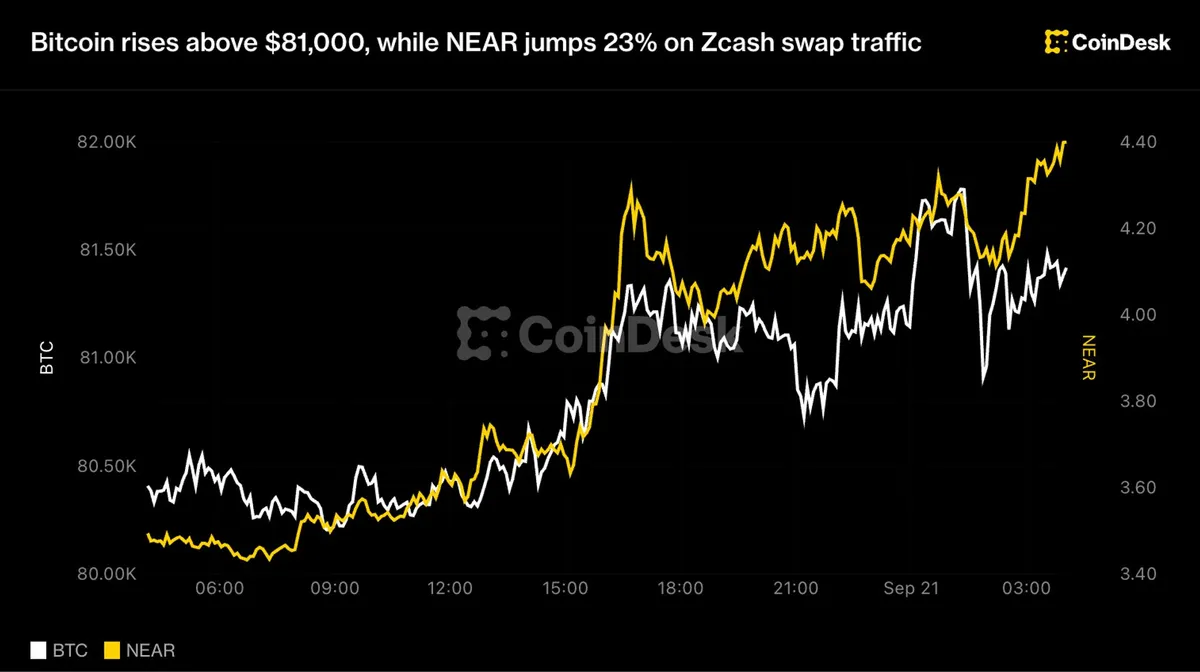
Bitcoin surpasses $81,000 as NEAR surges 23% amid Zcash swap activity