Ethereum breakaway developers turn a funding gap into a fight over who steers the network

On June 22, a group of five former senior researchers from the Ethereum Foundation unveiled Ethlabs, an independent nonprofit research and development lab dedicated to positioning Ethereum as the primary settlement layer for the global economy. Co-founders Ansgar Dietrichs, Barnabé Monnot, Caspar Schwarz-Schilling, Josh Rudolf, and Julian Ma highlighted their vision of enhancing Ethereum's capabilities, emphasizing the dual importance of the Ethereum protocol and its native asset, ETH. This announcement marks a significant shift as these developers aim to fill what they perceive as a funding gap in Ethereum's development ecosystem, raising questions about governance and direction within the network.
The establishment of Ethlabs comes at a time when Ethereum is navigating a complex landscape of competition and innovation. The Ethereum Foundation, while historically the primary steward of the network, has faced criticism regarding its funding and development priorities. This is not the first instance of a split within the Ethereum community; however, the formation of an independent lab by former Ethereum insiders signals a growing desire for more autonomy and innovation outside the traditional framework. The backdrop of this move includes the increasing pressures from competing blockchains and the need for Ethereum to evolve rapidly to maintain its status in the ever-changing crypto landscape.
The emergence of Ethlabs is significant for the market as it introduces a new dynamic in how Ethereum's development may be approached. By creating an independent entity, these developers could potentially accelerate innovation and introduce fresh ideas that may have been overlooked within the Ethereum Foundation's existing structure. This could lead to enhanced features and improvements in scalability, security, and usability, which are critical as Ethereum continues to face challenges from other platforms. Furthermore, the move could attract new funding and partnerships, ultimately benefiting the broader Ethereum ecosystem.
The industry reaction to the formation of Ethlabs has been mixed, with some experts expressing enthusiasm about the potential for increased innovation, while others caution against fragmentation within the Ethereum community. Some believe that competition can drive progress, while others highlight the risks of diverging agendas that could dilute Ethereum's unified vision. Notably, discussions in online forums and social media have revealed a spectrum of opinions, emphasizing the importance of collaboration even as new entities emerge. The developers involved in Ethlabs have already begun to share their vision and plans, inviting dialogue with the broader community.
Looking ahead, the success of Ethlabs will depend on its ability to garner support and effectively communicate its goals within the Ethereum ecosystem. If the lab can establish itself as a credible and innovative force, it may set a precedent for other independent initiatives within blockchain networks. The ongoing dialogue between Ethlabs and the Ethereum Foundation will be crucial in determining how the future development of Ethereum unfolds. As the dynamics of governance and funding continue to evolve, stakeholders will be watching closely to see how this new chapter in Ethereum's history shapes the network's trajectory.

CoinMagnetic Team
Crypto investors since 2017. We trade with our own money and test every exchange ourselves.
Updated: June 2026
From our insights:
Related news
ZetaChain votes to shut down Layer 1 network and move ZETA to Solana

Solana reduces block times by 17% with latest upgrade, boosting transaction freshness

Optimism secures upgrade for Superchain to enable interoperability

Solana boosts transaction size by 3x amid surge in network activity
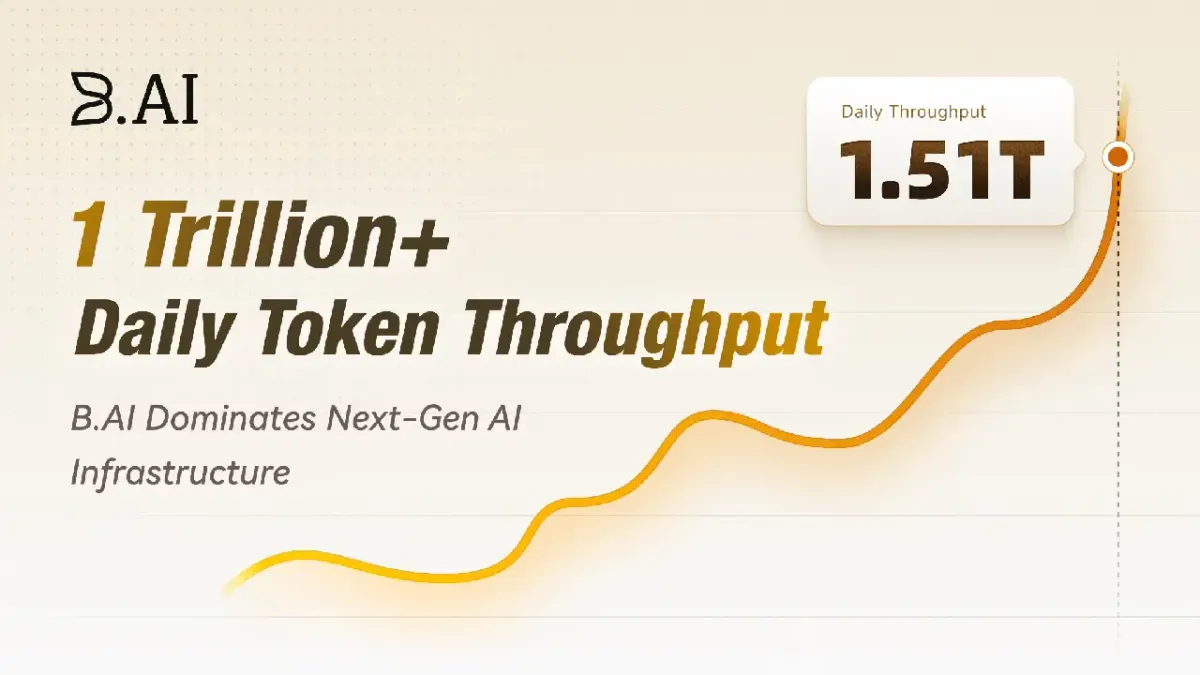
B.AI achieves record 1.51 trillion tokens daily throughput for AI infrastructure