Ethereum and Solana see trillions in transactions but face token demand risks
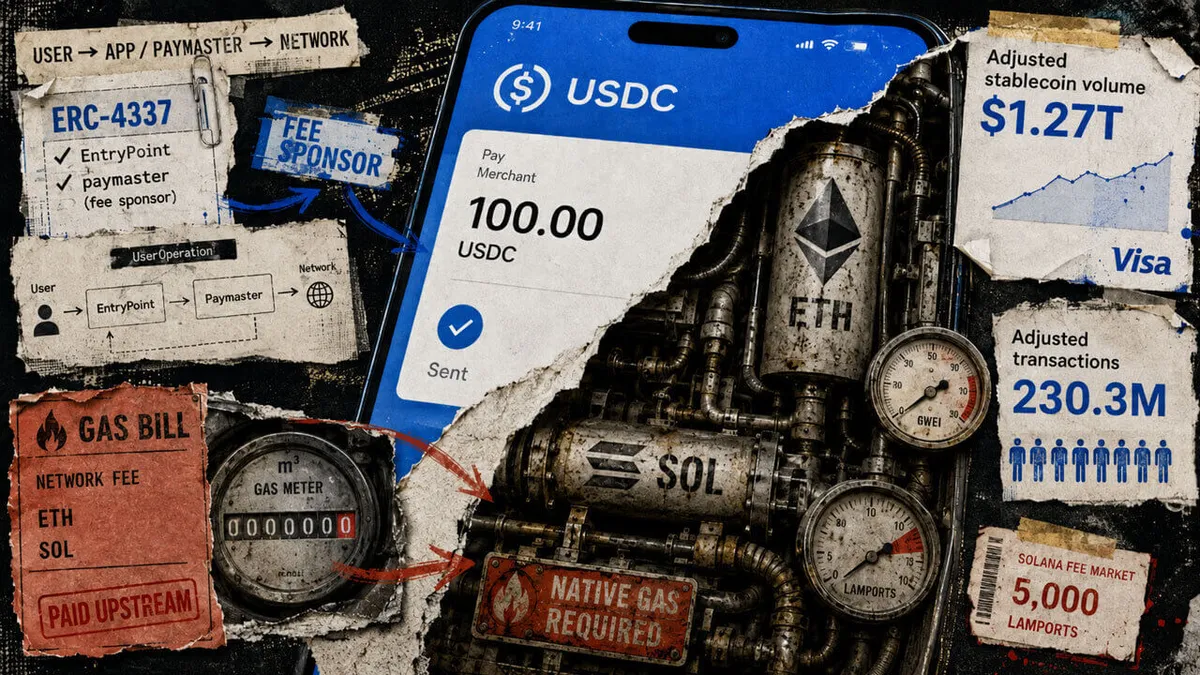
Ethereum and Solana are currently hosting a staggering volume of transactions that collectively amount to trillions of dollars. Despite this impressive activity, there is a growing concern regarding the demand for their native tokens, ETH and SOL. While mechanisms such as paymasters and sponsors can obscure the need for these tokens in everyday transactions, both networks still fundamentally rely on the native cryptocurrencies to cover transaction fees. This situation raises questions about the sustainability of direct consumer demand for these tokens moving forward.
The backdrop of this situation lies in the evolution of transaction fee structures on both Ethereum and Solana. Traditionally, users needed to hold and use ETH or SOL to pay for transaction fees directly. However, innovations such as paymasters–services that cover transaction fees on behalf of users–are altering the landscape. These developments can lead to a scenario where users engage with the networks without ever needing to acquire or hold the native tokens. As this trend continues, it poses challenges to the intrinsic value of ETH and SOL.
The implications of this shift are significant for the broader market landscape. If users increasingly rely on third-party services to manage transaction fees, the direct demand for ETH and SOL may diminish. This could impact the tokens' valuations, as their worth is often tied to their utility within their respective ecosystems. A decline in consumer demand could lead to price volatility and affect the overall market sentiment around these major cryptocurrencies, potentially influencing investors' strategies.
Industry experts are already weighing in on the potential consequences of this trend. Some analysts express concerns that the rise of fee-less transactions could lead to a devaluation of ETH and SOL, as their primary utility is undermined. Others, however, argue that the increased transaction volumes and the overall adoption of Ethereum and Solana could offset these risks, particularly if the networks continue to innovate and attract new users. The balance between these viewpoints will shape the future dynamics of both ecosystems.
Looking ahead, it remains to be seen how Ethereum and Solana will adapt to these changes in transaction processes. Should they implement measures to enhance the utility of their native tokens or perhaps introduce new mechanisms to sustain demand, it could mitigate the risks currently facing them. As the industry evolves, monitoring these developments will be crucial for understanding the future trajectory of both networks and their native cryptocurrencies.

CoinMagnetic Team
Crypto investors since 2017. We trade with our own money and test every exchange ourselves.
Updated: August 2026
From our insights:
Related news
Ledger confirms malicious hardware implant in device sold by CryptoBilis

CFTC authority reaches most sectors outside onions and box office tickets, Pham says
Trader turns Hyperliquid pricing into $1.28 million profit on Papertrade
Prediction market legal battles draw multiple amicus briefs at the Supreme Court
XRP Ledger fixes overflow bug that risked minting 18 trillion XRP