ENS co-founder Nick Johnson blocks Security Council renewal with 80% of votes

Nick Johnson, co-founder of the Ethereum Name Service (ENS), has recently made headlines by blocking the renewal of the ENS Security Council, which required an 80% approval rate to proceed. Johnson's decision stems from what he describes as unresolved issues surrounding the council's structure and effectiveness. Instead of supporting the renewal, he has put forward an alternative proposal that he believes addresses these concerns more comprehensively. His move has sparked significant discussion within the ENS community and the broader Ethereum ecosystem, as stakeholders grapple with the implications of this decision.
The ENS Security Council was established to oversee governance and manage critical decisions within the ENS protocol. This governing body has been instrumental in addressing various operational and security challenges that have arisen since the project's inception. However, the council has faced criticism regarding its accountability and transparency. Johnson's intervention highlights a growing sentiment among community members who are advocating for a more robust governance framework that better reflects the needs and concerns of ENS users.
This development is particularly significant for the market as it underscores the ongoing evolution of governance structures in decentralized protocols. The ENS, as a key project within the Ethereum ecosystem, serves as a case study for other decentralized projects grappling with similar governance issues. Johnson's push for an alternative proposal may set a precedent for how governance can be approached in decentralized organizations, potentially influencing future decisions across the crypto space. Market participants are closely watching these developments, as they could signal a shift towards more community-driven governance models.
Reactions from industry experts and community members have been mixed. Some laud Johnson's proactive stance, arguing that it reflects a commitment to ensuring that the governance mechanisms are fit for purpose and not merely a formality. Others, however, express concern that blocking the council's renewal could lead to instability and uncertainty during a critical time for the ENS. The discourse surrounding this issue is emblematic of the broader challenges facing decentralized governance, as stakeholders weigh the need for effective oversight against the desire for inclusivity and transparency.
Looking ahead, the ENS community will likely engage in discussions regarding Johnson's alternative proposal and what it means for the future of the Security Council. The outcome of these deliberations may not only impact the ENS but could also influence governance practices in other decentralized projects. As the crypto landscape continues to evolve, the focus on governance and accountability will remain paramount, with Johnson's actions serving as a pivotal moment in the ongoing dialogue around effective decentralization.

CoinMagnetic Team
Crypto investors since 2017. We trade with our own money and test every exchange ourselves.
Updated: June 2026
From our insights:
Related news
Citi integrates Coinbase for new stablecoin infrastructure in banking
Tether assists in freezing $550 million in USDT linked to Iran this year

US bank initiative for tokenized deposits raises questions about QNT's involvement
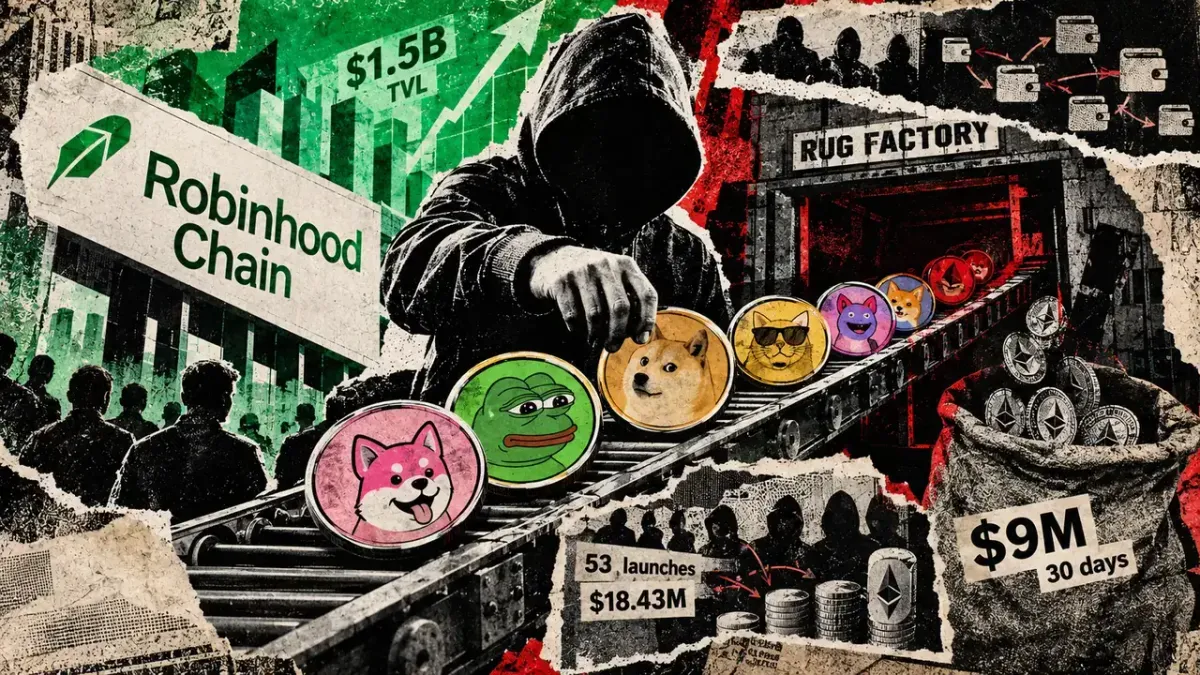
Robinhood Chain's $1.5 billion growth linked to new memecoin scams

UC San Diego team impersonates hardware vault using clever RSA attack