DxSale drained for $7.3M in BNB Chain liquidity exploit
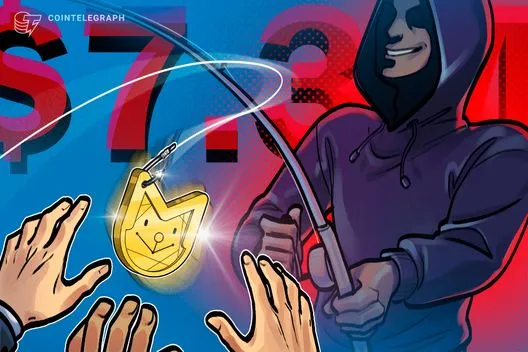
In a significant incident that has raised eyebrows across the decentralized finance (DeFi) landscape, DxSale has reportedly been drained of approximately $7.3 million in liquidity from its BNB Chain operations. This exploit has exposed vulnerabilities in older DeFi locker contracts, leading to concerns about the overall security of liquidity pools. The event unfolded as attackers were able to manipulate smart contract functionalities, effectively siphoning funds from unsuspecting liquidity providers. As news of the exploit spread, many in the crypto community rushed to assess the implications for security practices in DeFi protocols.
To understand the gravity of this incident, it is essential to consider the context of DxSale and its role in the DeFi ecosystem. DxSale is known for providing locking services for tokens, which helps to build trust among investors by ensuring that liquidity is safeguarded for a predetermined period. Despite offering these security measures, the exploit highlights that even established platforms are not immune to vulnerabilities–especially if they utilize older contract frameworks that may no longer adhere to the latest security standards. This incident raises questions about the due diligence that liquidity providers must perform as they engage with DeFi offerings.
The implications of this exploit for the broader crypto market are significant. As the DeFi space continues to grow, incidents like these can shake investor confidence, potentially leading to a cautious approach among new and existing participants. The liquidity crisis triggered by such events can result in increased volatility, as providers may rush to withdraw their investments. Moreover, this case serves as a reminder of the critical importance of security audits and the need for continuous upgrades to smart contract technology to prevent similar occurrences in the future.
Industry reactions to the DxSale exploit have varied, with many experts emphasizing the need for improved security measures within DeFi protocols. Some industry veterans have called for a reevaluation of how contracts are audited and maintained, advocating for more rigorous standards that account for the evolving threat landscape. Others have noted the importance of community vigilance, suggesting that liquidity providers should actively engage in understanding the projects they invest in, including scrutinizing the security measures in place.
Looking ahead, it remains to be seen how this incident will influence the development and regulatory landscape of the DeFi sector. We may witness a shift toward enhanced security protocols and more comprehensive audits of smart contracts, as projects seek to restore investor confidence. Furthermore, this exploit could prompt a broader discussion on the sustainability and security of DeFi practices, potentially leading to more robust frameworks that protect investors in the long term. As the community digests this recent event, the focus will likely be on the lessons learned and the steps needed to safeguard against future exploits.

CoinMagnetic Team
Crypto investors since 2017. We trade with our own money and test every exchange ourselves.
Updated: May 2026
From our insights:
Related news

Solstice CEO predicts less volatile future for crypto cycles amid liquidity growth

Pragma flags 6 price feeds as critical risk following $3.5M Starknet lending exploit
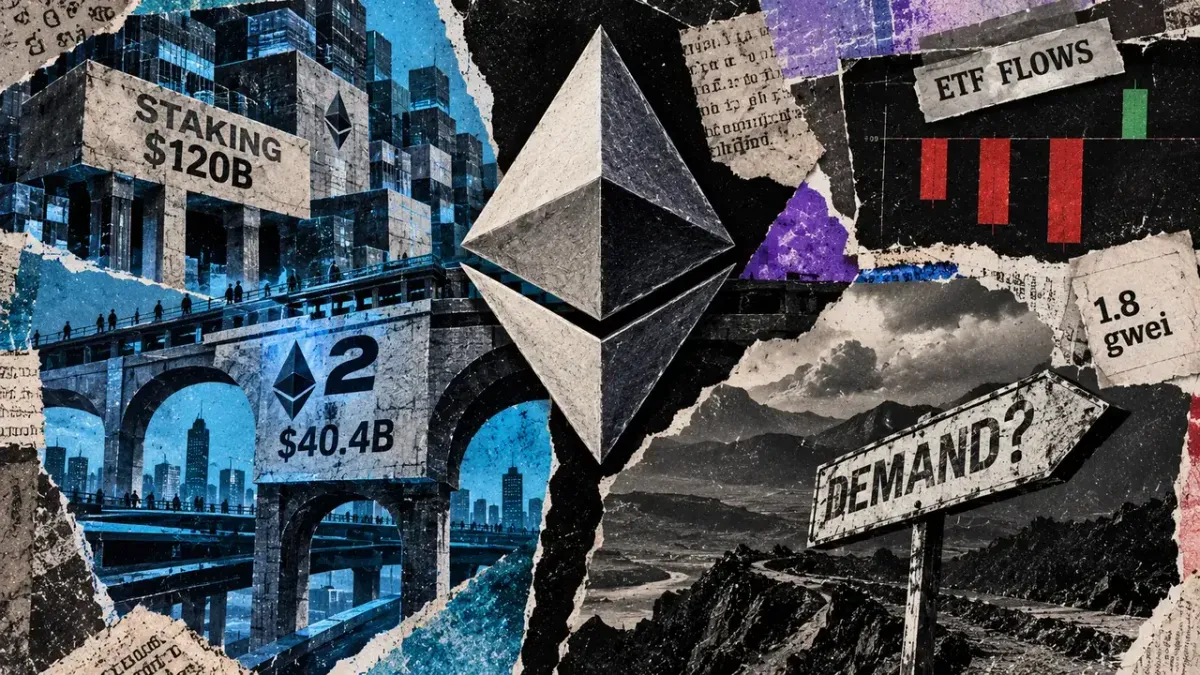
Ethereum's $120 billion in staking masks underlying supply dynamics

NEAR price surges 80% weekly as Intents volume approaches $30 billion
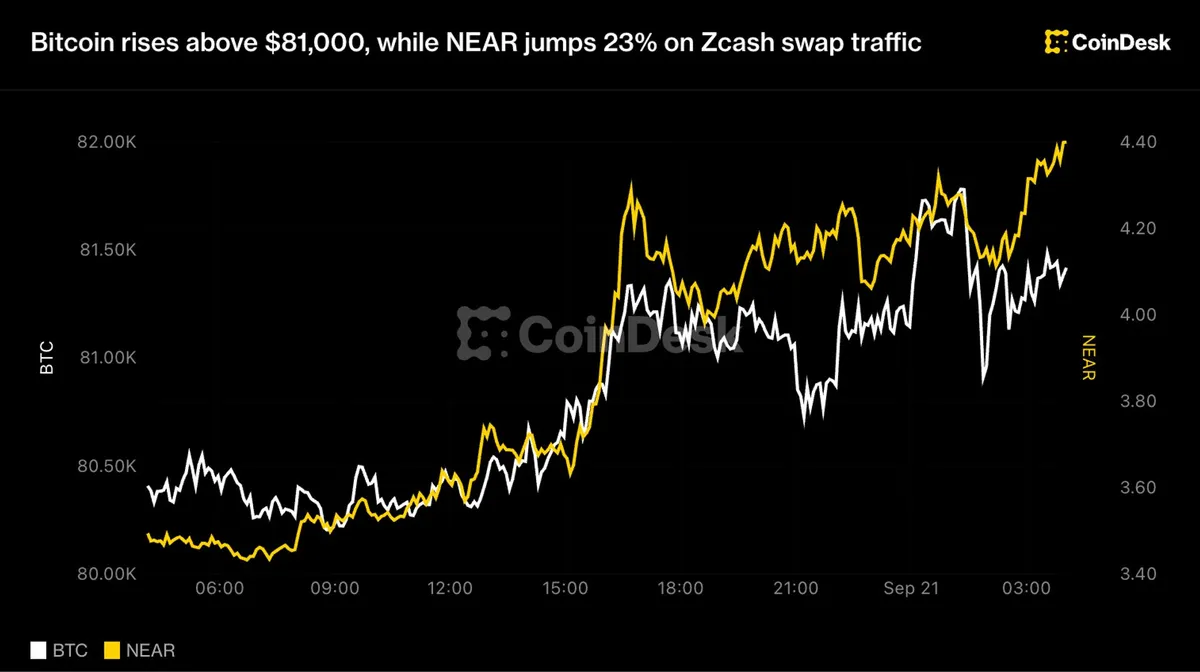
Bitcoin surpasses $81,000 as NEAR surges 23% amid Zcash swap activity