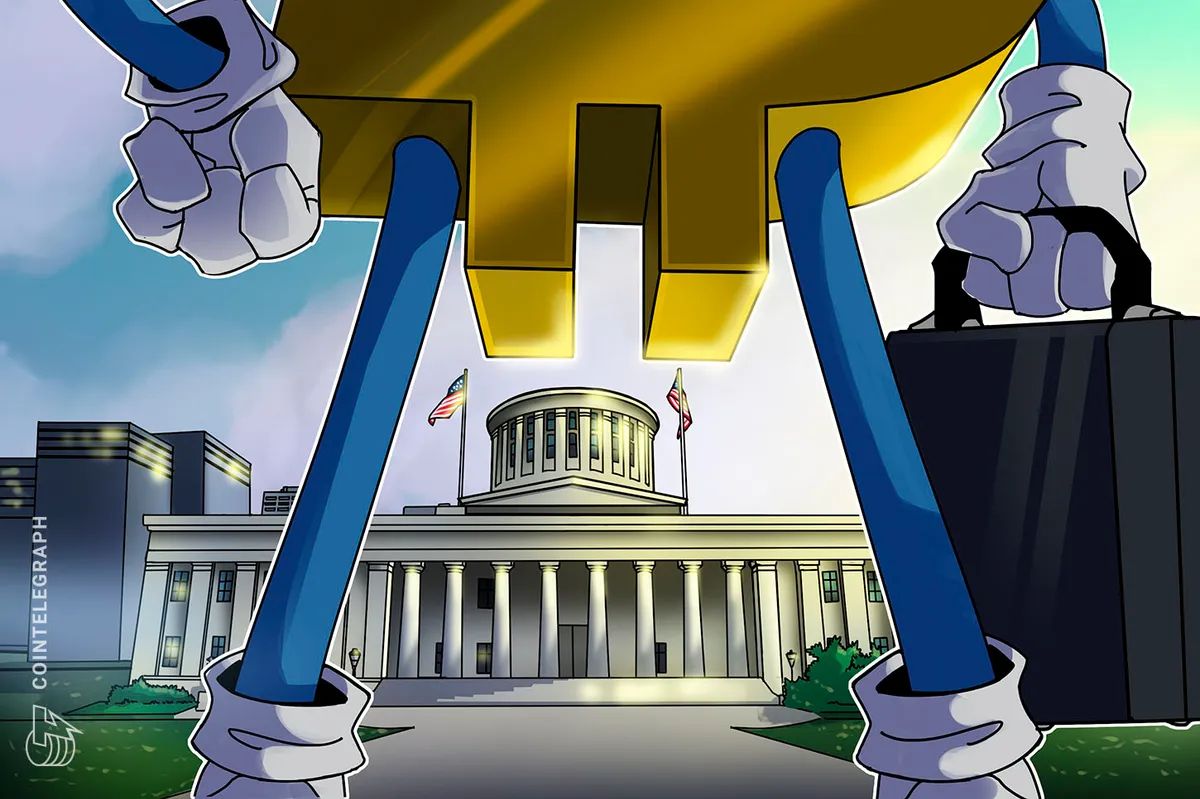
Donald Trump has 10 days to decide on housing bill with CBDC ban
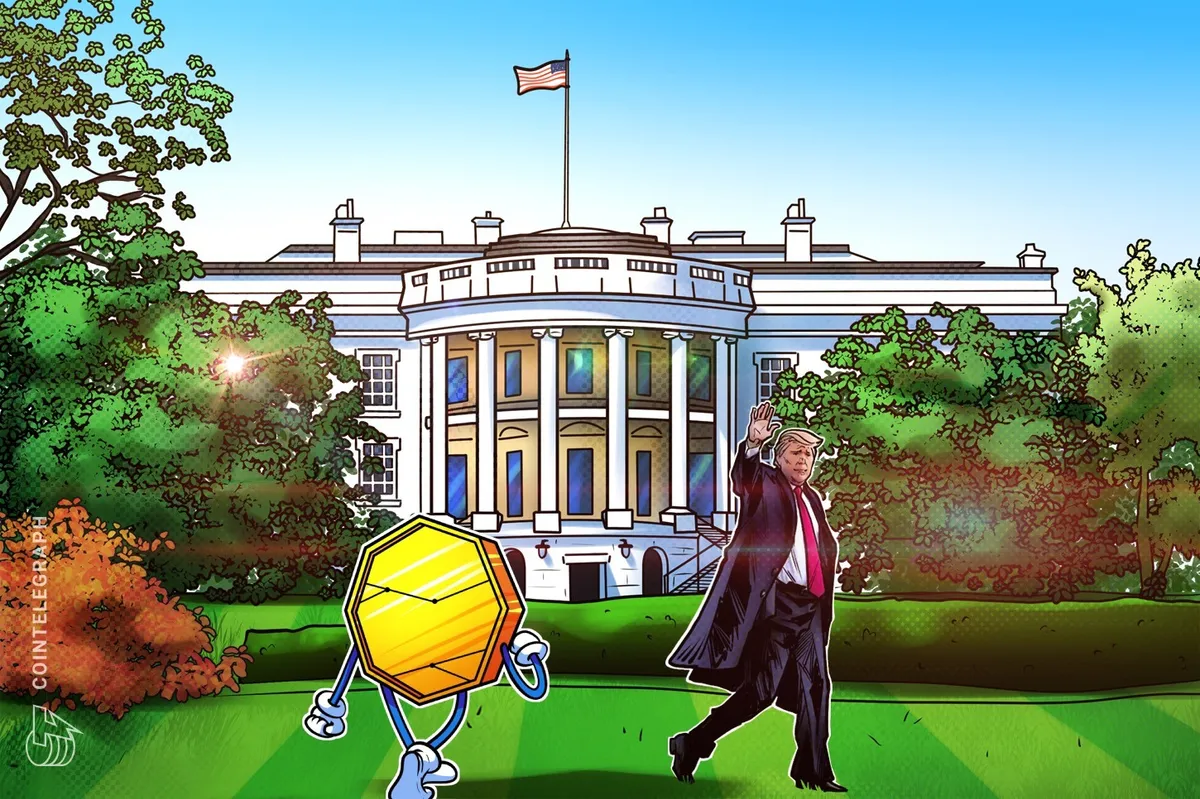
The recent development surrounding a housing bill has caught our attention, particularly due to its significant provision regarding Central Bank Digital Currencies (CBDCs). House Speaker Mike Johnson has officially transmitted the bill to former President Donald Trump, who now has a crucial 10-day window to make a decision. This legislation includes a stipulation that prohibits the US Federal Reserve from issuing or creating a CBDC until the year 2030. The implications of this bill could reshape the landscape of digital currencies in the United States, especially given the growing interest in CBDCs globally.
To understand the gravity of this situation, it’s essential to grasp the context surrounding CBDCs. Central banks around the world are exploring the potential benefits of issuing their own digital currencies, with nations such as China and the European Union making significant strides in this area. The U.S., however, has been more cautious, with the Federal Reserve conducting research and holding discussions on the topic but refraining from taking definitive steps. The proposed ban in this housing bill reflects a notable pushback against the rapid evolution of digital currencies and the potential impacts they may have on the traditional banking system and monetary policy.
This provision matters for the market because it signals a broader political stance against CBDCs, which some critics argue could compromise privacy and individual freedoms. By delaying the introduction of a CBDC until 2030, the bill could stall innovation in the digital currency space within the U.S. It also raises questions about how the government views the future of money and its relationship with cryptocurrencies, which have been gaining traction among investors and the general public. The potential for a CBDC could either compete with or complement existing cryptocurrencies, making this decision pivotal for both traditional finance and the burgeoning crypto market.
Industry reactions have been mixed, with some experts praising the bill as a necessary safeguard against government overreach, while others view it as a hindrance to innovation. Proponents of CBDCs argue that they could enhance payment systems and financial inclusion, enabling faster transactions and easier access to banking services. Conversely, opponents believe that a government-backed digital currency may infringe on privacy rights and lead to increased surveillance of financial transactions. This division in opinion underscores the contentious nature of the debate surrounding CBDCs and their future role in the financial ecosystem.
Looking ahead, the next steps will depend heavily on Trump’s response to the bill. Should he choose to support the legislation, it may signal a broader trend of resistance against CBDCs in the U.S. Conversely, if he opposes the bill, it could reignite discussions about the potential benefits of a digital dollar. As the deadline approaches, market participants will undoubtedly be watching closely, as the outcome will have significant ramifications for the future of digital currencies and the regulatory environment surrounding them.

CoinMagnetic Team
Crypto investors since 2017. We trade with our own money and test every exchange ourselves.
Updated: June 2026
From our insights:
Related news

UC San Diego team impersonates hardware vault using clever RSA attack

Tether’s USDT at center of Iran’s shadow banking network, new Senate Report says

SEC issues guidance on crypto token issuers after CFTC's lead

Brazil’s $252 billion crypto market gets $10,000 self-custody reporting rule

Chainlink introduces CCIP 2.0 allowing banks to implement security checks post $292M hack