DOG Mode explains Bitcoin's next governance fight
The recent introduction of the DOG Mode client by Leonidas has reignited discussions around Bitcoin's governance, particularly concerning its default relay policies. This new client aims to challenge the existing framework that dictates how transactions are relayed across the network. By proposing alternative methods for transaction propagation, DOG Mode sparks a philosophical debate on issues such as censorship, the nature of free markets, and the fundamental question of who truly governs the Bitcoin network. This move has the potential to reshape the landscape of Bitcoin's governance, as it invites users and developers to reconsider the implications of their relay choices.
To understand the significance of DOG Mode, it is essential to grasp the historical context of Bitcoin's governance structure. Bitcoin operates on a decentralized network, where decisions are often made through consensus among its participants. However, the way in which transactions are relayed–essentially how information is shared and propagated–has been a contentious topic for years. The existing policies, developed over time, prioritize certain behaviors and transactions, which some argue can lead to forms of censorship. The introduction of DOG Mode challenges these established norms and compels the community to reflect on the balance between ensuring network efficiency and preserving the foundational ideals of censorship resistance.
The implications of this development for the market are substantial. As Bitcoin continues to face scrutiny from regulators and critics who question its decentralized nature, the ability to relay transactions freely without undue influence becomes paramount. Changes to relay policies could affect transaction speeds, costs, and overall market dynamics. If DOG Mode gains traction, it may lead to a shift in how users interact with the Bitcoin network, potentially attracting more participants who value privacy and resistance to censorship. This could also influence the broader cryptocurrency market, as other projects may look to implement similar governance models in response to the evolving landscape.
Industry reactions to DOG Mode have been varied, with some experts expressing enthusiasm for the innovation it represents, while others caution against potential fragmentation within the Bitcoin ecosystem. Advocates argue that the ability to challenge established norms is essential for the continued evolution of Bitcoin, emphasizing that such debates are vital for a healthy and resilient network. Conversely, critics worry that diverging clients could create confusion and weaken the overall network effect that has been crucial to Bitcoin's success. Prominent voices in the community are weighing in, with many calling for open dialogue and collaborative approaches to ensure that any changes benefit the network as a whole.
Looking ahead, the introduction of DOG Mode could herald a new era of governance discussions within the Bitcoin community. As users experiment with this client and others potentially follow suit, we may see a broader movement toward alternative transaction relay policies. The outcome of these discussions will likely shape not only the future of Bitcoin's governance but also set precedents for other blockchain networks seeking to address similar challenges. As always, the evolution of this space will require vigilance and active participation from all stakeholders to navigate the complexities of governance in a decentralized environment.

CoinMagnetic Team
Crypto investors since 2017. We trade with our own money and test every exchange ourselves.
Updated: July 2026
From our insights:
Related news
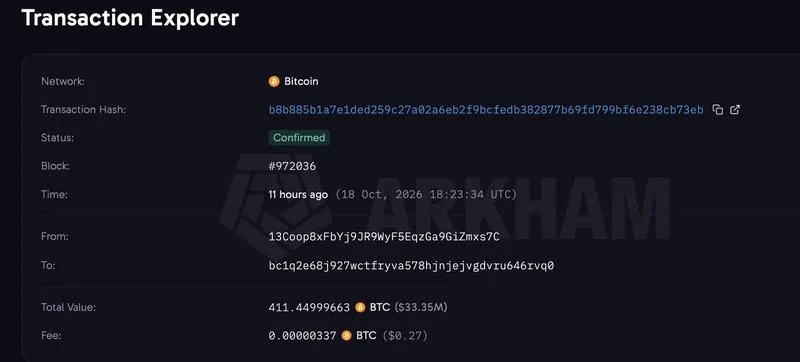
Dormant wallet moves $34 million in BTC acquired in 2013 at $131 each

World biometric verification integration on Zoom combats deepfake fraud
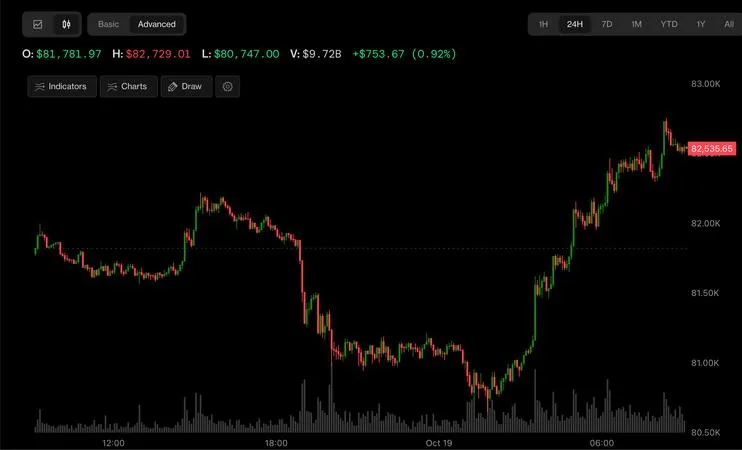
China GDP beat and lower oil prices drive risk asset gains across global markets

Richard Heart detained as crypto developments unfold in Istanbul and beyond

Crypto.com, Novig sue Missouri over sports event contracts; Kalshi, Polymarket, Robinhood hold off