DeFi TVL slides 14% since KelpDAO exploit as risk appetite retreats

The decentralized finance (DeFi) landscape has experienced a significant downturn, with the total value locked (TVL) in DeFi protocols sliding by 14% since the KelpDAO exploit. This incident, which occurred five weeks ago, has raised alarms about the vulnerabilities inherent in DeFi infrastructure. The breach revealed critical weaknesses that have not only shaken investor confidence but have also led to considerable outflows from various DeFi platforms, further exacerbating the decline in TVL.
To understand the implications of this decline, it is essential to look at the backdrop of the KelpDAO exploit. The hack highlighted the persistent risks that DeFi projects face, particularly those related to smart contract security and governance mechanisms. KelpDAO, which had positioned itself as a promising player in the DeFi ecosystem, fell victim to an attack that exploited these vulnerabilities, prompting a broader reevaluation of security protocols across the industry. As investors grapple with the fallout, many are recalibrating their risk appetites, leading to a retreat from DeFi investments.
This retreat is particularly significant as it reflects a broader trend of caution among investors in the crypto space. The decline in TVL not only signals diminished confidence in DeFi projects but also raises questions about sustainability and growth in the sector. As liquidity dries up, the potential for new projects to gain traction diminishes, leading to a stifling effect on innovation. Additionally, the retreat may force existing platforms to rethink their security measures and governance structures in an effort to regain trust and stabilize their user bases.
Industry experts have weighed in on the implications of the KelpDAO exploit and the subsequent decline in TVL. Many believe that the incident could serve as a wake-up call for the DeFi sector, prompting developers to prioritize security and transparency. Some analysts argue that while the short-term outlook may appear bleak, the long-term resilience of the sector could be tested, leading to stronger protocols and more robust security frameworks in the future. Others, however, caution that without significant improvements, the risk of further exploits could continue to deter investors.
Looking ahead, the DeFi community is at a crossroads. The immediate focus will likely be on addressing the vulnerabilities exposed by the KelpDAO exploit and restoring confidence among users. This may involve implementing more stringent security audits, enhancing governance mechanisms, and fostering a culture of transparency. As the industry seeks to navigate this challenging period, it will be crucial for stakeholders to collaborate and share insights in order to build a safer and more resilient DeFi ecosystem.

CoinMagnetic Team
Crypto investors since 2017. We trade with our own money and test every exchange ourselves.
Updated: May 2026
From our insights:
Related news

Solstice CEO predicts less volatile future for crypto cycles amid liquidity growth

Pragma flags 6 price feeds as critical risk following $3.5M Starknet lending exploit
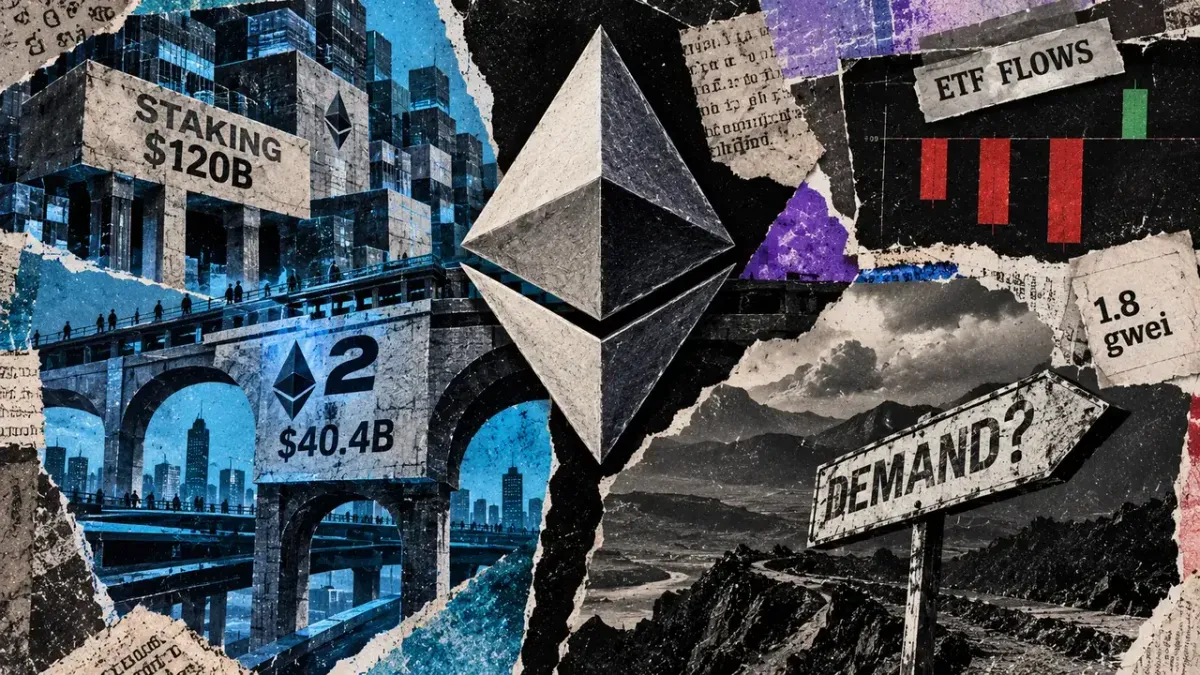
Ethereum's $120 billion in staking masks underlying supply dynamics

NEAR price surges 80% weekly as Intents volume approaches $30 billion
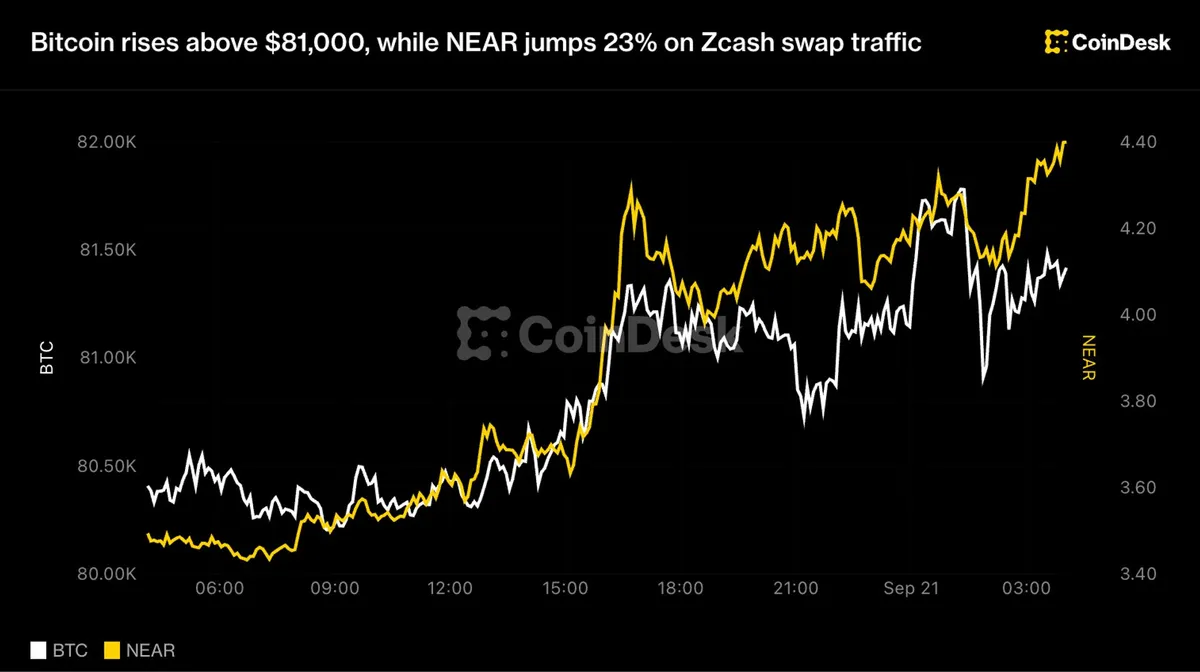
Bitcoin surpasses $81,000 as NEAR surges 23% amid Zcash swap activity