DeFi's stress test ends quietly. Nothing broke.

In a recent development within the decentralized finance (DeFi) sector, the anticipated stress test concluded without any significant incidents, leaving the ecosystem largely unscathed. This test, designed to assess the resilience of various DeFi protocols under high-pressure scenarios, involved simulated market conditions that could potentially lead to liquidations and liquidity crises. Participants observed that despite the intense conditions, major protocols maintained their integrity, with no major disruptions reported. This outcome has generated a sense of relief among stakeholders and investors, who were bracing for potential fallout.
To understand the significance of this stress test, it is essential to consider the backdrop of increasing scrutiny and regulatory interest in the DeFi space. Over the past few years, DeFi has grown exponentially, attracting billions in capital and creating new financial instruments outside the traditional banking system. However, this rapid growth has also raised concerns about security, systemic risk, and the sustainability of these platforms. Previous incidents, including significant hacks and protocol failures, have further fueled fears about the robustness of DeFi infrastructure. As a result, the stress test was seen as a critical measure to evaluate how well these systems could withstand extreme market conditions.
The results of this stress test matter for the market as they underscore the stability and maturity of DeFi protocols. Investors are more likely to gain confidence in these platforms when they see that they can handle adverse situations without substantial losses. This could lead to increased capital inflow, further innovation, and potentially pave the way for institutional adoption of DeFi solutions. The successful completion of the test might also alleviate some regulatory concerns, as it demonstrates a commitment to ensuring the safety and reliability of these financial instruments.
Industry reactions have been positive, with many experts noting that the outcomes reflect the hard work and technological advancements that have been made in the DeFi space. A leading DeFi developer commented that the results serve as a testament to the community's collaborative efforts to build more resilient systems. Additionally, some analysts are pointing out that this successful stress test could serve as a benchmark for future assessments, providing a framework for evaluating the health of DeFi protocols in varying market conditions.
Looking ahead, the DeFi community will likely focus on leveraging these results to foster greater trust among potential users and investors. Continuous improvement and transparency will be key areas of focus, as protocols seek to enhance their security measures and operational frameworks. Furthermore, there may be an increased emphasis on developing more robust governance mechanisms to ensure that these platforms can adapt to future challenges effectively. As the landscape evolves, stakeholders will be watching closely to see how this success influences the broader adoption of decentralized financial services.

CoinMagnetic Team
Crypto investors since 2017. We trade with our own money and test every exchange ourselves.
Updated: May 2026
From our insights:
Related news

Solstice CEO predicts less volatile future for crypto cycles amid liquidity growth

Pragma flags 6 price feeds as critical risk following $3.5M Starknet lending exploit

Ethereum's $120 billion in staking masks underlying supply dynamics

NEAR price surges 80% weekly as Intents volume approaches $30 billion
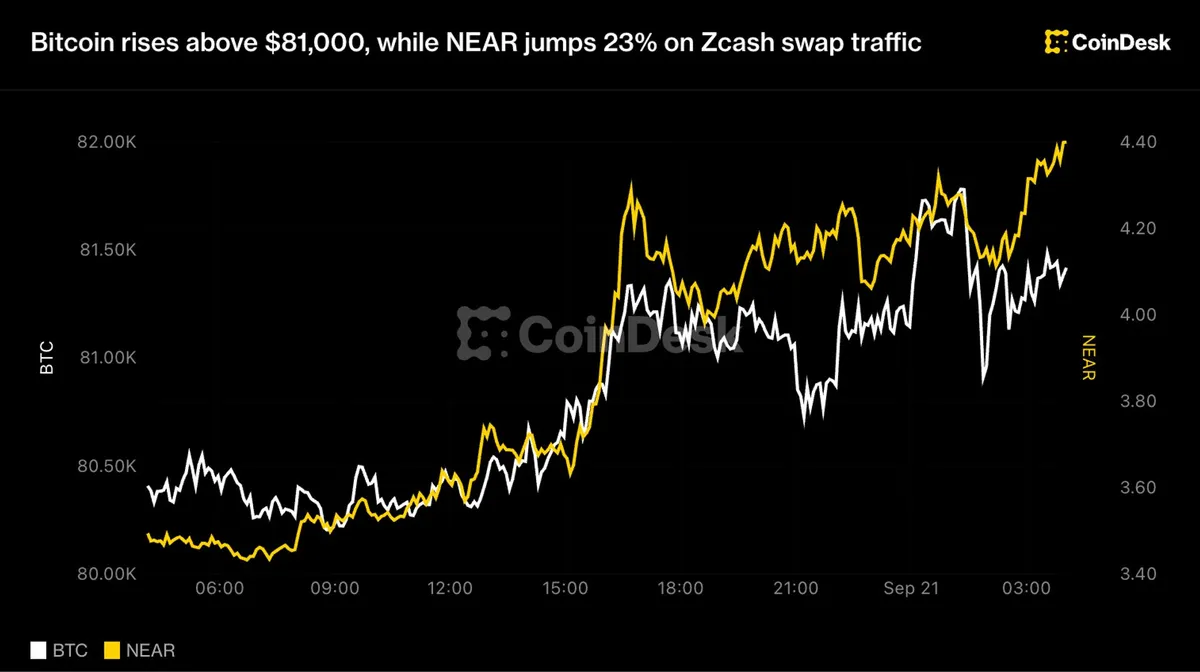
Bitcoin surpasses $81,000 as NEAR surges 23% amid Zcash swap activity