DeFi lender Aave asks court to block $71 million crypto seizure tied to North Korea claims

In a significant legal development, DeFi lending platform Aave has filed a motion in court seeking to block the seizure of approximately $71 million in cryptocurrency linked to allegations involving North Korea. The dispute centers on a New York restraining notice that has effectively frozen ETH assets on the Arbitrum blockchain following an exploit of the rsETH token. Aave contends that these funds do not belong to North Korean judgment creditors but rather rightfully belong to its users. By challenging the restraining notice, Aave aims to safeguard the interests of its community against what it views as an unjust seizure.
The context behind this legal battle is rooted in the ongoing scrutiny of North Korea's involvement in cybercrime and its attempts to leverage cryptocurrency for funding its activities. The exploit in question, which affected the rsETH token, has raised concerns about the safety and integrity of DeFi protocols. Aave's claim highlights the complexities of asset ownership in decentralized finance, particularly when state actors are involved in the narrative. The case serves as a reminder of the legal and regulatory challenges that DeFi platforms face as they navigate an increasingly complex landscape.
This case is particularly significant for the broader crypto market as it touches on the intersection of legal jurisdiction, asset ownership, and the inherent challenges of decentralized finance. If the court sides with Aave, it could set a precedent for how similar cases are handled in the future, potentially empowering users' rights in the DeFi space. Conversely, a ruling in favor of the creditors could have a chilling effect on the willingness of users to engage with DeFi platforms, fearing that their assets may be subject to seizure due to external accusations.
Industry reactions to Aave's legal maneuver have been varied, with many experts weighing in on the implications of the case. Some view Aave's stance as a necessary defense of user rights, emphasizing the importance of protecting decentralized assets from external claims. Others caution that the involvement of state actors complicates the situation, as the legal ramifications could extend beyond the immediate parties involved. The outcome of this case could not only impact Aave but also set a tone for how other DeFi platforms approach similar legal challenges in the future.
Looking ahead, the outcome of Aave's court filing will likely serve as a catalyst for further discussions around regulatory frameworks in the DeFi space. As the legal landscape continues to evolve, DeFi platforms may need to reassess their risk management strategies and consider building more robust protections for their user bases. This case also underscores the necessity for clearer regulations that delineate the responsibilities and rights of DeFi platforms, particularly in scenarios involving state actors and legal claims. As we follow this unfolding story, it remains critical for the industry to address these complexities while fostering innovation and user trust.

CoinMagnetic Team
Crypto investors since 2017. We trade with our own money and test every exchange ourselves.
Updated: May 2026
From our insights:
Related news

Solstice CEO predicts less volatile future for crypto cycles amid liquidity growth

Pragma flags 6 price feeds as critical risk following $3.5M Starknet lending exploit

Ethereum's $120 billion in staking masks underlying supply dynamics

NEAR price surges 80% weekly as Intents volume approaches $30 billion
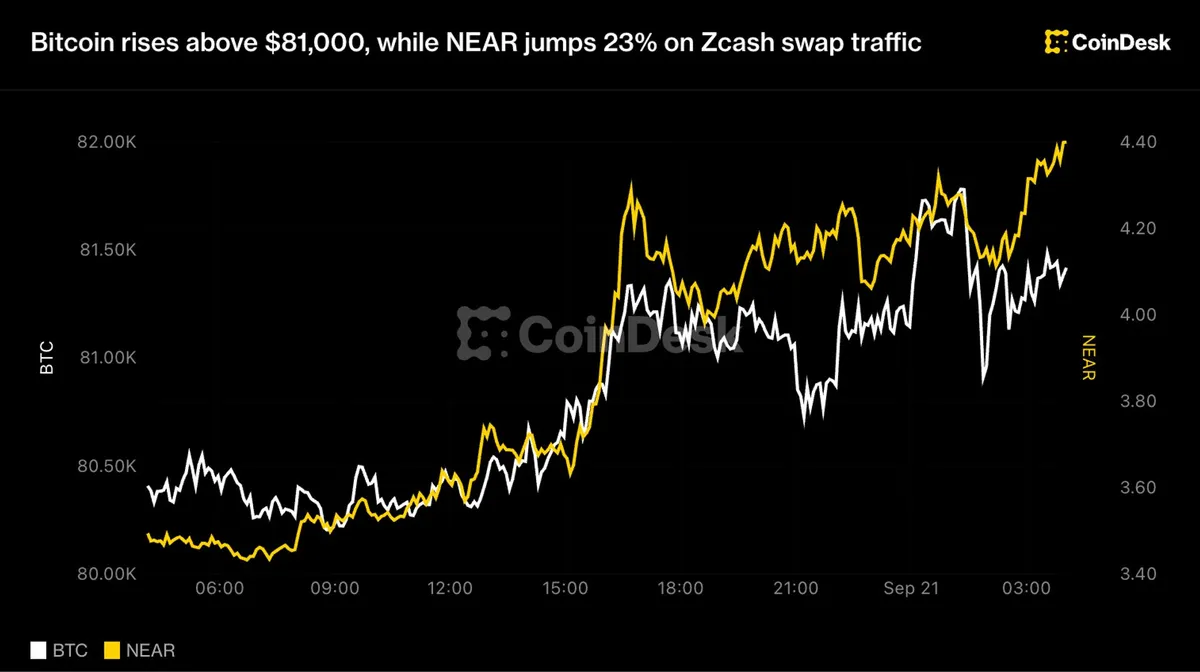
Bitcoin surpasses $81,000 as NEAR surges 23% amid Zcash swap activity