Crypto users are choosing juicy yields over protection, putting billions at risk of hacks

The landscape of decentralized finance (DeFi) has been dramatically altered as users increasingly prioritize high yields over protective measures, placing billions of dollars at risk of hacks and other vulnerabilities. The initial promise of DeFi insurance protocols, which emerged during the crypto boom of 2020, was to safeguard investments against potential losses from security breaches. However, as the sector matured, the allure of juicy yields has led many users to overlook these safety nets in favor of higher returns, resulting in a significant decline in the viability of insurance protocols designed to offer that very protection.
The rise of DeFi insurance can be traced back to the explosive growth of the decentralized finance ecosystem, which attracted a wave of investors seeking alternatives to traditional financial products. Initially, platforms like Nexus Mutual and Cover Protocol aimed to fill the gap by providing insurance against smart contract failures and hacks. However, as the DeFi space evolved, so did the nature of threats, with hacks becoming more sophisticated and frequent. This backdrop raised questions about the reliability of these insurance products, especially as users began to prioritize immediate gains over long-term security.
This shift in user behavior is critical for the market, as it highlights a fundamental tension between risk and reward within the crypto ecosystem. With billions of dollars left unprotected, the potential for catastrophic losses has risen sharply. Investors are now faced with a precarious balancing act–seeking high yields while navigating a landscape rife with pitfalls. This has consequences not only for individual users but also for the broader DeFi market, as the collapse of insurance protocols could undermine confidence in decentralized platforms and slow the overall growth of the sector.
Industry experts have weighed in on this troubling trend, noting that the current environment reflects a broader pattern of risk tolerance among crypto users. Many believe that the allure of high returns often blinds investors to the inherent risks associated with DeFi, including the vulnerabilities that insurance protocols were designed to mitigate. Analysts are calling for a renewed focus on education and better risk management practices within the community to ensure that users are fully aware of the potential dangers they face when opting for high yields without adequate protection.
Looking ahead, the DeFi sector may need to recalibrate its approach in order to regain user trust and foster a more sustainable environment. Innovations in insurance models, perhaps incorporating more robust risk assessment tools or integrating automated safety mechanisms, could help bridge the gap between yield chasing and necessary protection. As the market continues to evolve, it will be essential for both users and developers to strike a balance that prioritizes security while still offering competitive returns, ensuring the long-term viability of DeFi as a whole.

CoinMagnetic Team
Crypto investors since 2017. We trade with our own money and test every exchange ourselves.
Updated: May 2026
From our insights:
Related news

Solstice CEO predicts less volatile future for crypto cycles amid liquidity growth

Pragma flags 6 price feeds as critical risk following $3.5M Starknet lending exploit
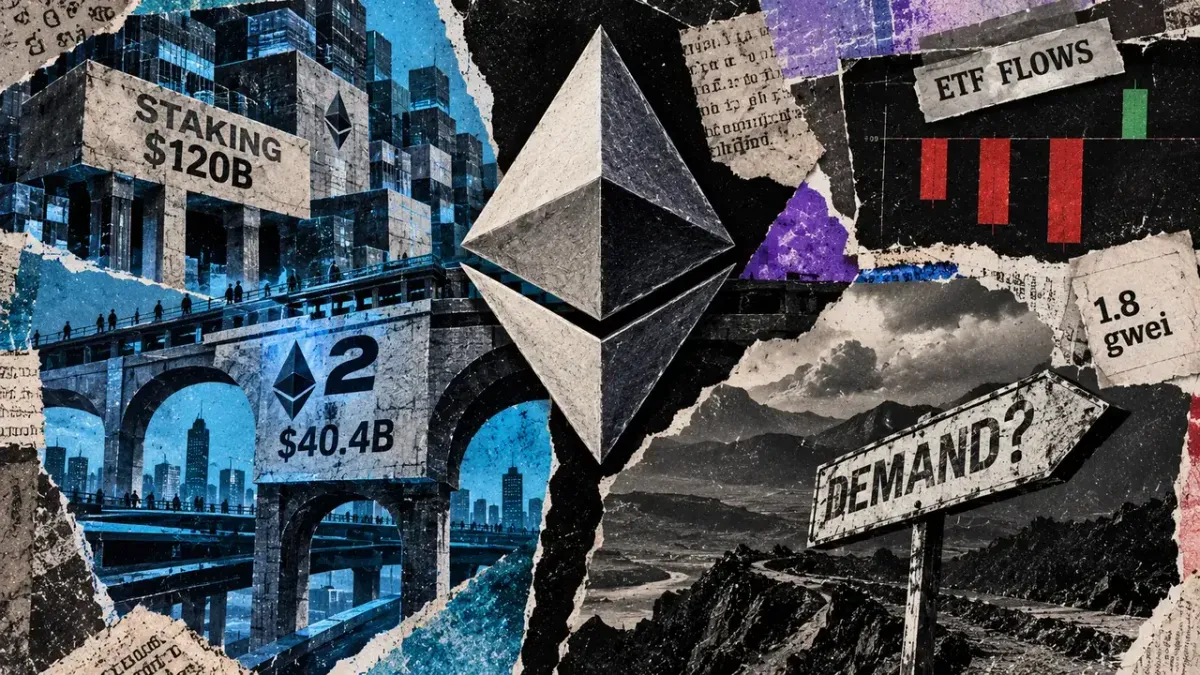
Ethereum's $120 billion in staking masks underlying supply dynamics

NEAR price surges 80% weekly as Intents volume approaches $30 billion
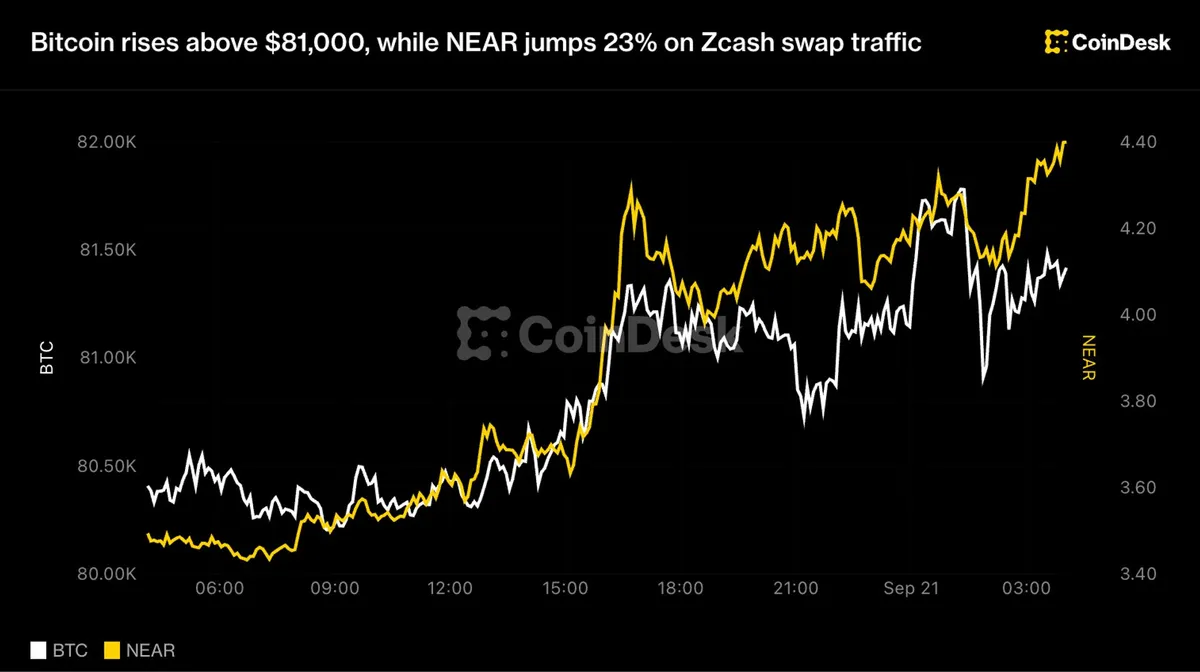
Bitcoin surpasses $81,000 as NEAR surges 23% amid Zcash swap activity