Crypto's resilience tested as oil rises after Iran strikes, Fed signals rates could still rise
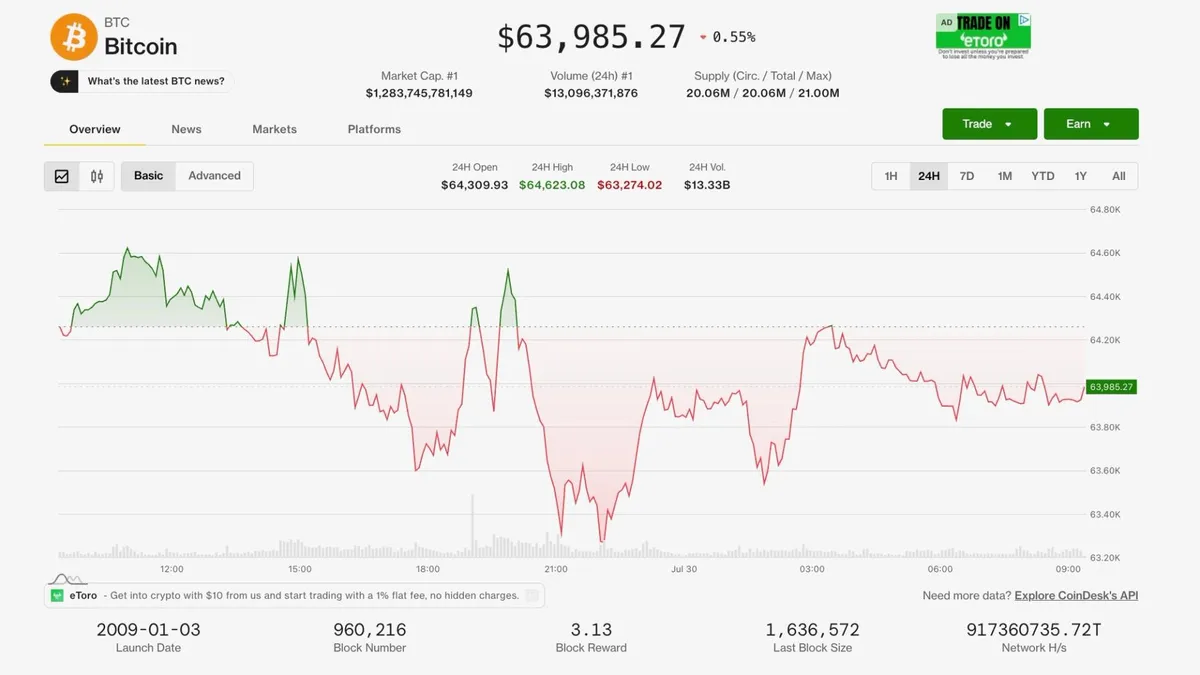
In a turbulent turn of events, Bitcoin has managed to hold steady near the $64,000 mark, even as global economic conditions take a hit from geopolitical tensions and monetary policy signals. The recent rise in oil prices–jumping nearly 8% following Iranian missile strikes–has sparked fears of inflation and economic instability. Coupled with the Federal Reserve's recent hawkish comments, indicating potential interest rate hikes, the markets reacted sharply, with the Dow Jones Industrial Average dropping 2.2% and the Nasdaq hitting a three-month low.
To understand the implications of these developments, it's essential to consider the broader context. The Iranian strikes have raised concerns about supply disruptions in an already fragile oil market, while the Fed's stance suggests that it is prepared to combat inflation aggressively. This combination creates an environment of uncertainty that typically weighs on traditional equities. However, Bitcoin's resilience in the face of such adversity could signal a shift in how investors perceive cryptocurrencies in relation to traditional financial systems.
The current market dynamics highlight why Bitcoin's stability is noteworthy. Traditionally seen as a risk-on asset, Bitcoin's performance amidst rising oil prices and potential rate hikes may indicate its evolving role as a hedge against inflation and geopolitical uncertainty. Investors are increasingly recognizing Bitcoin not just as a speculative asset but as a possible store of value during turbulent times. This could usher in a new wave of institutional interest, as firms look to hedge against traditional market volatility.
Industry experts have varied opinions on the situation. Some analysts suggest that Bitcoin's ability to maintain its value in the wake of adverse market conditions reinforces its position as "digital gold." Others are more cautious, warning that if oil prices continue to climb and economic indicators worsen, even cryptocurrencies could face sell-offs as liquidity dries up. The general consensus, however, leans towards a recognition of Bitcoin's potential resilience, with many industry leaders expressing optimism about its long-term viability.
Looking ahead, the market will be closely monitoring both geopolitical developments and Federal Reserve announcements. Any further escalation in the Middle East could lead to more volatility, impacting oil prices and, by extension, the broader markets. Additionally, if the Fed decides to implement rate hikes sooner than expected, we may see a ripple effect across all asset classes, including cryptocurrencies. As the situation unfolds, Bitcoin's response will be crucial in determining its trajectory in the coming weeks and months.

CoinMagnetic Team
Crypto investors since 2017. We trade with our own money and test every exchange ourselves.
Updated: July 2026
From our insights:
Related news
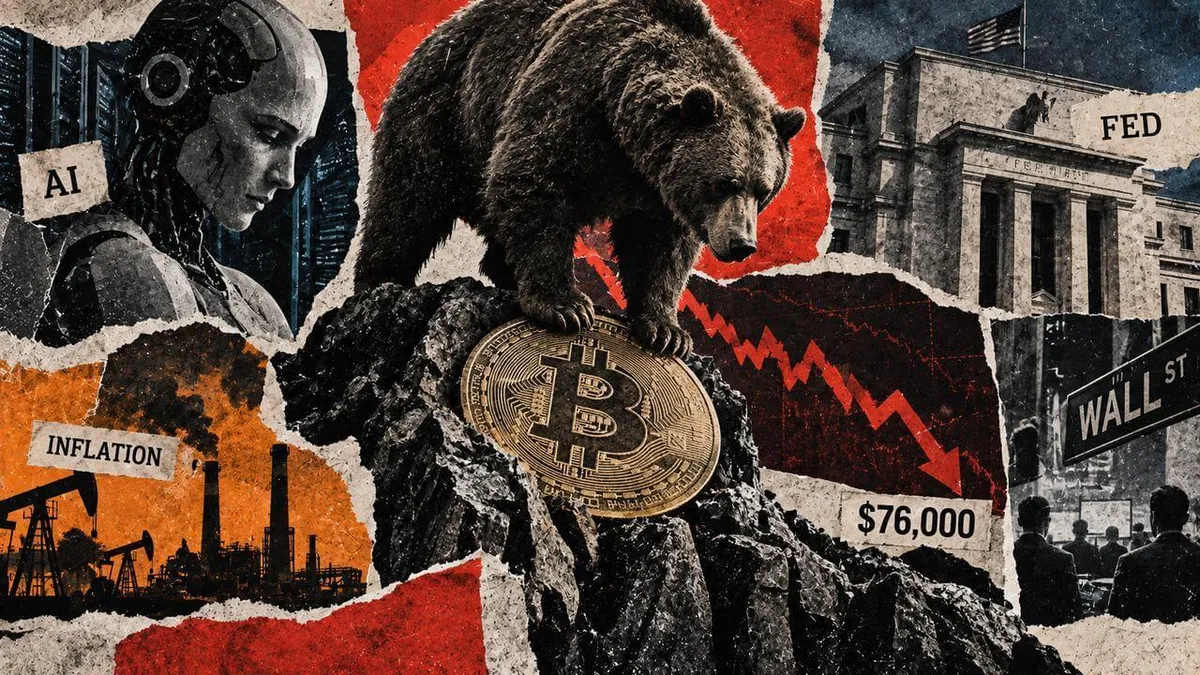
Bitcoin falls below $77,000, facing tech test as AI leaders raise concerns
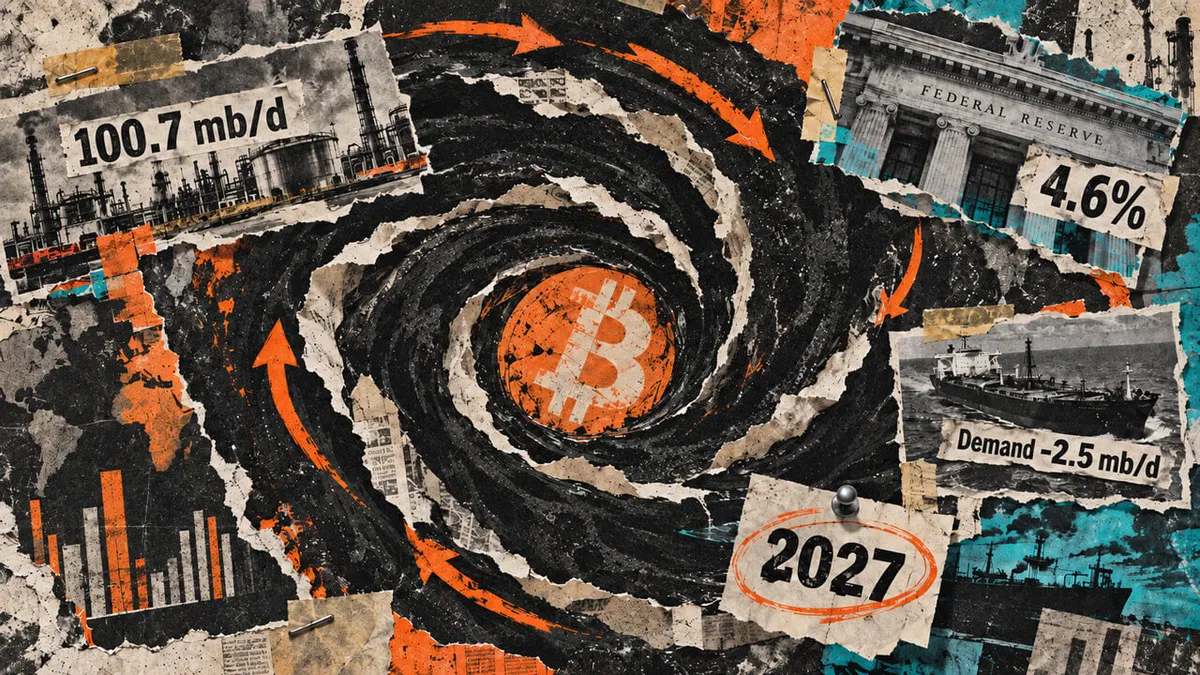
IEA's reduced oil supply forecast complicates Bitcoin's financing relief through 2027

Circle's $400 million Tazapay acquisition aims to strengthen USDC in emerging markets

UK company liquidates entire Bitcoin treasury to pay back 669 BTC to shareholders

OpenAI's Sam Altman supports Anthropic's call for slower AI development