IEA's reduced oil supply forecast complicates Bitcoin's financing relief through 2027
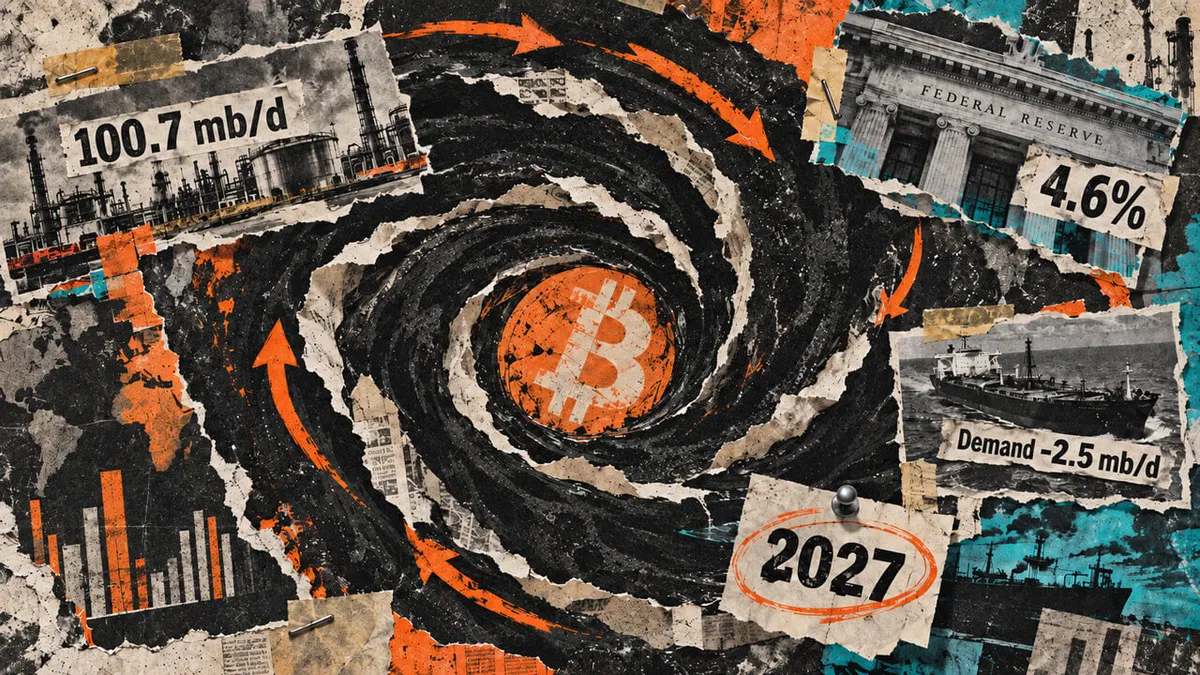
The International Energy Agency (IEA) has once again adjusted its oil supply outlook, now extending its projections through to 2027. This revision highlights a significant tightening in supply, which could have profound implications for various sectors, including the cryptocurrency market. As Bitcoin miners often rely on energy sources, particularly oil, fluctuations in the oil market can directly affect their operational costs and, consequently, the profitability of mining activities. The IEA’s latest report indicates that while demand for oil is expected to weaken, the lowered supply forecast adds layers of complexity for financing relief in the industry.
Historically, Bitcoin mining has been heavily reliant on energy resources, with oil serving as a critical component in many regions. The dynamics of oil supply and demand are crucial for miners, as energy costs constitute a significant portion of their expenses. With the IEA's projections showing a potential squeeze in oil supply, this may lead to increased energy prices and, by extension, higher operational costs for miners. The implications of these adjustments are particularly relevant as they signal a shift in the energy landscape that could affect not just Bitcoin, but the broader crypto ecosystem.
This situation matters for the market as it underscores the interconnectedness between traditional commodities like oil and the cryptocurrency sector. A tighter oil supply could lead to increased costs for Bitcoin mining, which may influence the overall supply of Bitcoin available on the market. If mining becomes less profitable, it could deter new miners from entering the space or lead existing miners to scale back their operations. This reduction in mining activity can have cascading effects on the Bitcoin price, as fewer coins are generated, potentially driving prices upward due to scarcity.
Industry experts are weighing in on the implications of the IEA's report, noting that the energy transition and geopolitical factors will also play critical roles in shaping the future of oil supply. Some analysts suggest that Bitcoin’s reliance on oil could prompt a shift towards more sustainable mining practices, as miners may seek to diversify their energy sources in response to rising costs. Others argue that the inherent volatility in the oil market could lead to increased uncertainty for Bitcoin investors, making it essential to monitor these developments closely.
Looking ahead, the interplay between Bitcoin and the oil market is likely to remain a pressing concern. As the IEA continues to revise its forecasts, stakeholders within the Bitcoin ecosystem will need to adapt to the evolving energy landscape. This could mean embracing renewable energy sources more rapidly or finding innovative ways to mitigate the impact of rising oil prices on mining operations. The next few years will be crucial in determining how these factors will shape the future of Bitcoin and its relationship with traditional commodities.

CoinMagnetic Team
Crypto investors since 2017. We trade with our own money and test every exchange ourselves.
Updated: September 2026
From our insights:
Related news

Bitcoin falls below $77,000, facing tech test as AI leaders raise concerns

Circle's $400 million Tazapay acquisition aims to strengthen USDC in emerging markets

UK company liquidates entire Bitcoin treasury to pay back 669 BTC to shareholders

OpenAI's Sam Altman supports Anthropic's call for slower AI development

CryptoQuant says bitcoin must clear resistance at $81,700 to confirm new bull market