Crypto's great hope in Senate's Clarity Act still has a path to survive tight calendar
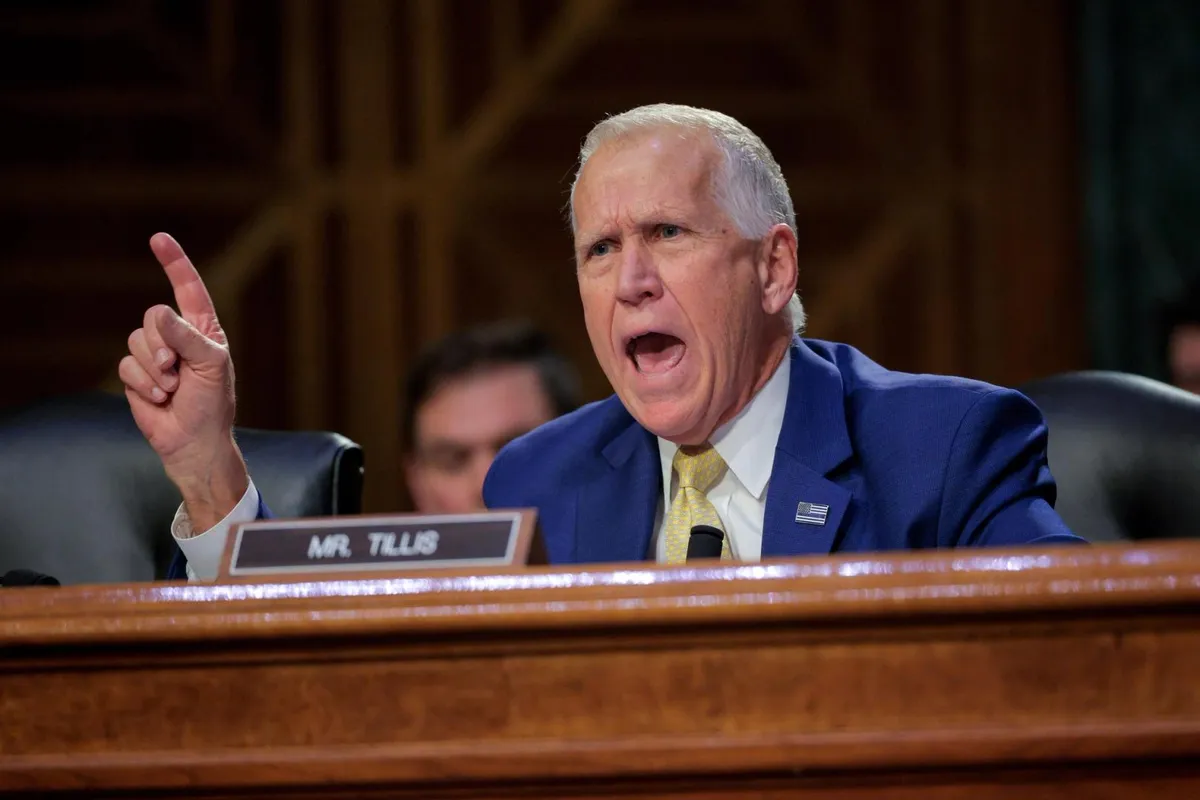
The Senate's Clarity Act, a significant piece of legislation aimed at providing regulatory clarity for the cryptocurrency market, is facing hurdles as discussions around stablecoin yield have extended its timeline. Originally designed to streamline regulatory practices for digital assets, the bill has become ensnared in a broader debate over stablecoin yields, which has led to delays in its progress. As the Senate's calendar for 2026 grows tighter, concerns rise about whether this legislation will see the light of day before the end of the current session. The implications of these delays could be substantial, especially for market participants eager for regulatory guidance.
To understand the current situation, it's essential to recognize the context in which the Clarity Act was introduced. Lawmakers have been grappling with how to regulate the rapidly evolving crypto landscape, and the Clarity Act was positioned as a potential framework to provide much-needed definitions and guidelines. However, the emergence of stablecoin yield discussions has shifted focus, complicating the legislative process. This has led to an unexpected stalemate, where the original intentions of the bill have been overshadowed by contentious debates over how stablecoins should be regulated and what requirements should be imposed on their issuers.
The significance of the Clarity Act for the cryptocurrency market cannot be overstated. Many industry participants have voiced their concerns regarding the lack of regulatory clarity, which has created uncertainty and hindered innovation. If passed, the Clarity Act could establish a more predictable environment for crypto businesses, potentially leading to increased investment and participation in the market. Conversely, ongoing delays could exacerbate the existing uncertainty, discouraging new entrants and stifling growth within the sector.
Industry experts have expressed a mix of optimism and caution regarding the future of the Clarity Act. Some analysts believe that the ongoing debates, while frustrating, are indicative of a healthy legislative process aimed at ensuring robust regulatory frameworks. Others, however, worry that prolonged discussions could lead to compromises that may not adequately address the needs of the crypto community. The tension between regulatory oversight and innovation remains a critical focal point, and many stakeholders are watching closely to see how the situation unfolds.
Looking ahead, the fate of the Clarity Act may hinge on the Senate's ability to prioritize its agenda effectively. With time running out, it remains to be seen whether lawmakers can navigate the complexities of stablecoin regulation without further delaying the bill. As the discussions continue, the cryptocurrency community will be keenly aware of the potential implications for the market and the broader regulatory landscape, hoping for a resolution that supports growth while ensuring necessary safeguards.

CoinMagnetic Team
Crypto investors since 2017. We trade with our own money and test every exchange ourselves.
Updated: April 2026
From our insights:
Related news

ECB and EU central banks propose liquidity thresholds for stablecoins

Four GOP senators backing CLARITY Act seek changes to stablecoin provisions

US investigates Binance for potential Iran-linked trading violations

Crypto sector emerges as top donor with $206 million in midterms backing

Stand With Crypto’s 4 million registered advocates couldn’t get the CLARITY Act through the Senate