Crypto market structure bill still faces significant hurdles despite Senate committee win: analysts
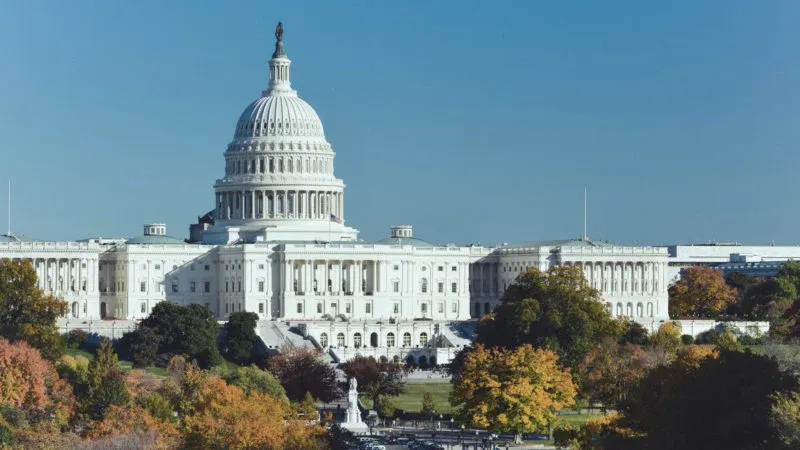
The recent advancement of the crypto market structure bill through a Senate committee has stirred a wave of optimism among industry stakeholders, yet analysts caution that significant hurdles still lie ahead. TD Cowen has increased the probability of the bill's passage from 33% to 40%, reflecting a cautious but hopeful outlook. Meanwhile, Benchmark analysts underscore that for the Clarity Act to gain momentum, it will require a greater level of support from Democratic lawmakers. This nuanced assessment highlights the complexity of the legislative process surrounding cryptocurrency regulation.
To understand the significance of this development, it is essential to consider the broader context of cryptocurrency regulation in the United States. The Clarity Act aims to establish a clear legal framework for digital assets, addressing long-standing uncertainties that have plagued the industry. With the rapid evolution of crypto markets and technologies, lawmakers have been under pressure to create regulations that foster innovation while ensuring consumer protection. The Senate committee's approval signifies a step forward, but it is just the beginning of a potentially lengthy legislative journey.
The implications of this bill are profound, as a clear regulatory framework could have a transformative effect on the market. Currently, uncertainty surrounding regulations has led to volatility and hesitation among investors. If the Clarity Act successfully navigates the legislative process and becomes law, it could enhance market stability and encourage more institutional participation in the crypto space. This could, in turn, contribute to the maturation of the market and bolster confidence among both retail and institutional investors.
Industry reactions to the committee's approval have been mixed, with many calling for increased bipartisan support to ensure the bill's success. Experts emphasize the importance of collaboration between parties to create a comprehensive regulatory framework that addresses the concerns of all stakeholders. Some analysts argue that without significant Democratic backing, the bill may struggle to gain traction, reflecting the deeply polarized nature of the current political landscape. As the dialogue around crypto regulation evolves, industry leaders continue to advocate for clarity and consistency in the rules governing digital assets.
Looking ahead, the path for the Clarity Act remains uncertain. While the Senate committee's approval is a positive sign, the bill will likely face scrutiny and potential amendments as it moves through the legislative process. Stakeholders will be watching closely to gauge the level of bipartisan support it can garner and whether key provisions will be adjusted to accommodate the concerns of various political factions. As the situation develops, the outcome of this bill could have lasting effects on the future of cryptocurrency regulation and the overall landscape of the crypto market in the United States.

CoinMagnetic Team
Crypto investors since 2017. We trade with our own money and test every exchange ourselves.
Updated: May 2026
From our insights:
Related news

Reap aims to enhance cross-border FX with non-USD stablecoins including peso

ECB and EU central banks propose liquidity thresholds for stablecoins

Four GOP senators backing CLARITY Act seek changes to stablecoin provisions

US investigates Binance for potential Iran-linked trading violations

Crypto sector emerges as top donor with $206 million in midterms backing