Exploitation of Aave's third-party tool leads to 114 ETH theft
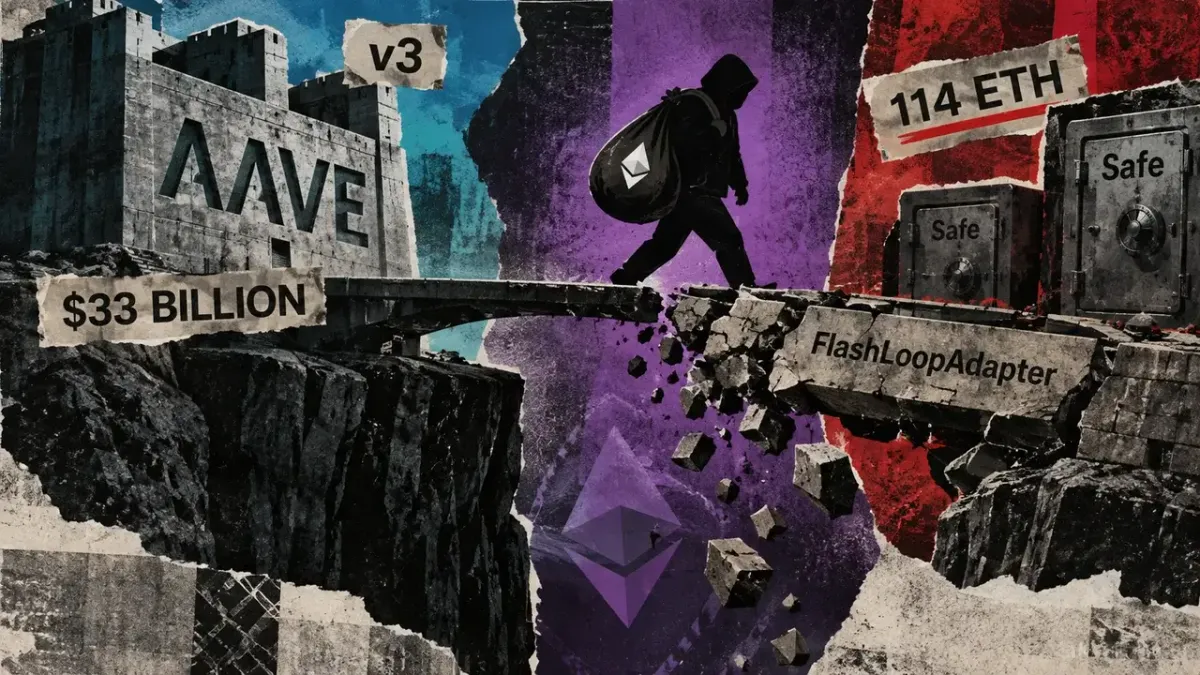
A significant security breach has unfolded within the Aave ecosystem, where hackers successfully exploited a third-party lending adapter known as the FlashLoopAdapter. On October 2, the blockchain security firm SlowMist reported that the attackers managed to siphon off approximately 114 ETH, valued at over $300,000. Crucially, the Aave protocol itself remained intact and unaffected by the exploit, showcasing a specific vulnerability in the third-party tool rather than the primary platform.
This incident highlights the ongoing challenges in the decentralized finance (DeFi) sector, where third-party integrations can introduce unexpected vulnerabilities. Aave has established itself as a leading decentralized lending protocol, enabling users to lend and borrow cryptocurrency. However, the reliance on third-party tools underscores the importance of robust security measures and thorough audits, as these external components can become weak links in the security chain.
The implications of this theft resonate throughout the cryptocurrency market, particularly in terms of user trust and the perceived safety of DeFi platforms. While Aave itself has not been compromised, incidents like this can lead to hesitance among potential users who may weigh the risks of using DeFi protocols against traditional financial services. As more investors and users enter the crypto space, the need for heightened security standards becomes increasingly critical.
Industry experts have expressed concern over the vulnerabilities associated with third-party tools in DeFi. Many advocates emphasize the necessity for rigorous security audits and enhanced protocols to prevent such exploits in the future. The incident has sparked discussions about the overall risk profile of using third-party integrations in DeFi applications, with some calling for more comprehensive regulatory measures to safeguard users.
Looking ahead, the focus will likely shift toward improving security frameworks within DeFi ecosystems. Developers and projects may prioritize investing in security audits for their third-party tools, as well as fostering a culture of transparency and responsibility in the crypto space. This incident could serve as a pivotal moment for the industry, prompting new standards and practices to better protect users from similar threats.

CoinMagnetic Team
Crypto investors since 2017. We trade with our own money and test every exchange ourselves.
Updated: October 2026
From our insights:
Related news

California investigates OpenAI for AI models hacking Hugging Face

Drift opens exploit recovery claims with initial payouts of just over 1% of user losses

Debate over THORChain vs NEAR highlights limits of decentralized ideals

Zano exploiter created 36.9M unauthorized ZANO before blockchain rollback

NEAR Intents identifies hacker, issues 48-hour ultimatum for $3.8 million theft