Crypto exchanges are opening a two-front war for the stock market
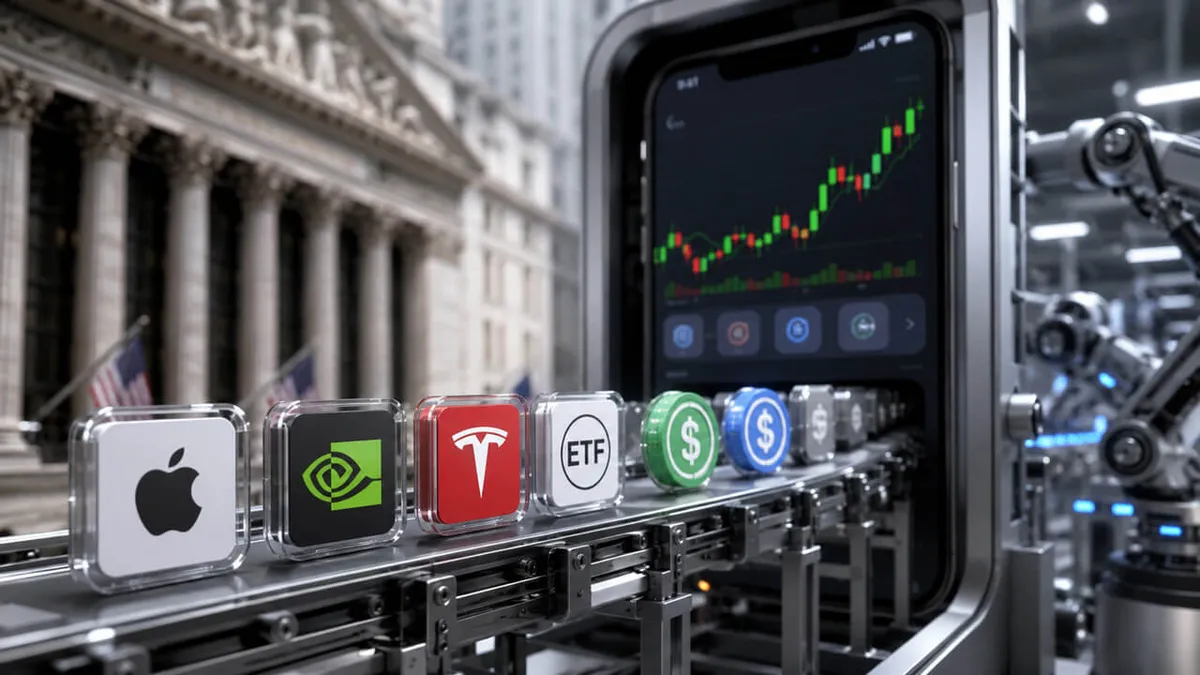
The landscape of financial trading is witnessing a significant transformation as major crypto exchanges like Binance, Kraken, Bybit, and Gemini are stepping into the stock market arena. These platforms are not just focusing on cryptocurrencies anymore; they are actively adding U.S. stocks and exchange-traded funds (ETFs) to their trading apps. Binance, for instance, has introduced direct access to over 7,000 U.S. stocks and ETFs in collaboration with a product called bStocks, which offers a tokenized trading option that mirrors the economic performance of these securities on a 1:1 basis. This move signifies a strategic pivot for these exchanges, aiming to capture the retail brokerage market that has been dominated by traditional Wall Street firms for decades.
The shift towards including traditional equities within crypto trading platforms is not just a random occurrence; it reflects broader trends in the financial ecosystem. Historically, stock trading and cryptocurrency trading have been seen as separate entities, with distinct user bases and regulatory frameworks. However, the growing acceptance of digital assets and the desire for diversified trading options have prompted exchanges to explore new avenues. The fusion of stock trading with cryptocurrency trading is expected to simplify the investment process for retail investors, who can now access a wider range of assets through a single platform.
This development is particularly crucial for the market as it represents a challenge to traditional brokerage firms and their long-standing monopoly over stock trading. If successful, these crypto exchanges could significantly disrupt the existing business models of conventional brokers. By combining the appeal of crypto assets with traditional stocks, these platforms may attract a younger demographic of investors who are increasingly looking for convenient, tech-driven solutions to manage their investments. This trend could lead to heightened competition and innovation within the financial services sector, potentially resulting in lower fees and better services for consumers.
Industry experts are weighing in on the implications of this shift. Some view it as an inevitable convergence of financial markets, citing that the lines between cryptocurrencies and traditional assets will continue to blur as technology progresses. Others express concern over the regulatory challenges that these crypto exchanges may face as they expand into stock trading. The complexities of compliance with SEC regulations could pose significant hurdles, especially given the increasing scrutiny of digital asset platforms. As exchanges launch these new offerings, the industry will be closely monitoring regulatory responses and the potential impact on market dynamics.
Looking ahead, the competition among crypto exchanges to dominate the stock trading segment is likely to intensify. As these platforms roll out their new services, we expect to see an influx of marketing strategies aimed at attracting both seasoned investors and newcomers alike. The success of these initiatives will depend not only on their ability to streamline the trading experience but also on how well they navigate the regulatory landscape. In this rapidly evolving environment, adaptability and innovation will be key factors in determining which exchanges emerge as leaders in this two-front war for the stock market.

CoinMagnetic Team
Crypto investors since 2017. We trade with our own money and test every exchange ourselves.
Updated: June 2026
From our insights:
Related news

Binance invests $100 million in Circle as part of expanded USDC partnership

Binance invests $100 million in Circle for USDC promotion over five years

Binance probed by U.S. federal prosecutors for sanctions violations: Bloomberg

Australia's 40-year economic outlook highlights AI but ignores crypto's role

Google and Apple pursuing crypto experts for stablecoin and tokenization projects