US Treasury sanctions Shelbit and another Iranian exchange over $3 million in transfers

The U.S. Treasury Department has imposed sanctions on two more Iranian cryptocurrency exchanges as part of its ongoing ‘Economic Fury’ campaign. This action comes after investigations revealed that more than $3 million in transfers were traced between Shelbit and wallets linked to the Islamic Revolutionary Guard Corps (IRGC). The sanctions aim to curb the financing of illicit activities and limit the capabilities of organizations deemed to threaten national security.
This recent move follows a series of sanctions targeting Iranian entities and individuals involved in cryptocurrency and other financial operations. The Iranian government has been increasingly utilizing digital currencies as a means of bypassing traditional financial systems and sanctions. The U.S. government has identified these exchanges as critical nodes in facilitating transactions that support the IRGC and its affiliated groups, further escalating its sanctions strategy against Iran.
The implications of these sanctions are significant for the cryptocurrency market, particularly for exchanges that operate in regions subject to U.S. sanctions. By targeting exchanges like Shelbit, the U.S. aims to deter other platforms from engaging in similar activities, effectively sending a message about the risks associated with processing transactions linked to sanctioned entities. As the regulatory landscape continues to evolve, exchanges are likely to reassess their compliance protocols to avoid potential sanctions.
Industry reactions have been mixed, with some experts applauding the sanctions as necessary for maintaining global financial integrity, while others argue that such measures may stifle innovation and drive crypto operations underground. The broader crypto community has expressed concerns about the implications of increased scrutiny and regulation, fearing that it could hinder legitimate projects and investments.
Looking ahead, it is expected that the U.S. will continue to expand its sanctions regime, particularly as the geopolitical landscape evolves. The Treasury Department's focus on cryptocurrency as a means of enforcing economic sanctions indicates that digital assets will remain under close watch. As a result, exchanges and users operating within high-risk regions may need to implement additional compliance measures to navigate this challenging regulatory environment.

CoinMagnetic Team
Crypto investors since 2017. We trade with our own money and test every exchange ourselves.
Updated: August 2026
From our insights:
Related news

Australia's 40-year economic outlook highlights AI but ignores crypto's role

Google and Apple pursuing crypto experts for stablecoin and tokenization projects

Kraken integrates with X to streamline crypto trading via social media
Kalshi proposes US stock perpetual futures as Coinbase enters market
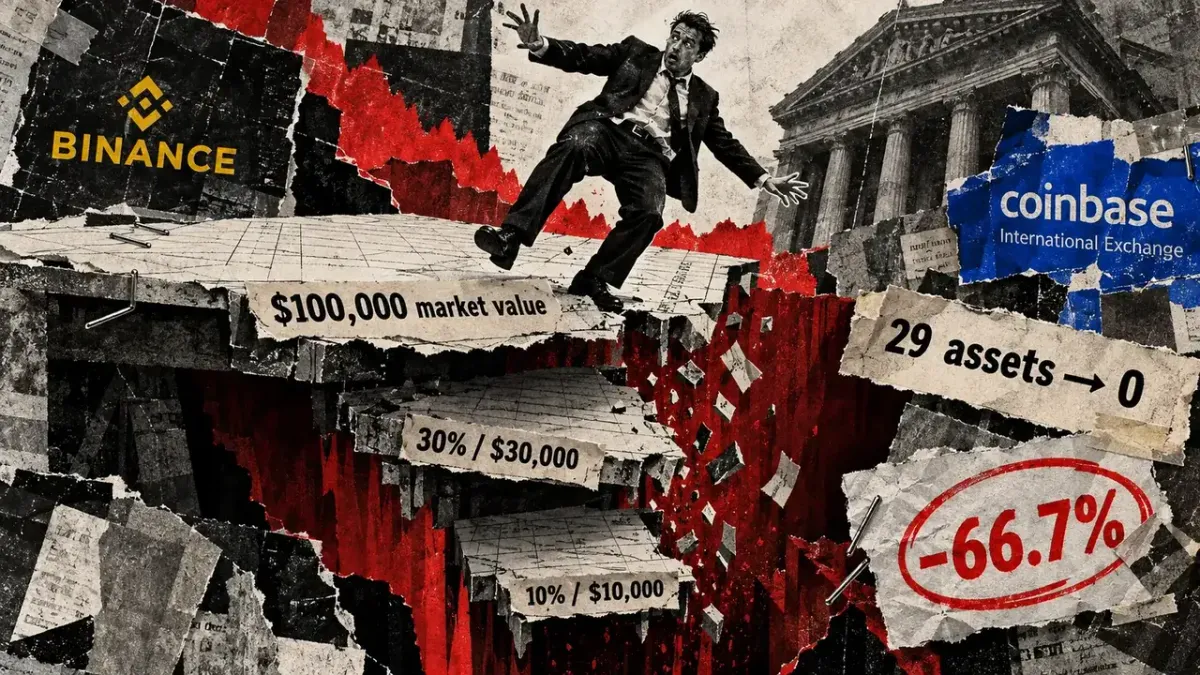
Exchanges reduce token risk values, tightening conditions for leveraged traders