Crypto critic Roubini joins tokenization boom with onchain 'Technodollar'

In a surprising turn of events, renowned economist Nouriel Roubini, often dubbed "Dr. Doom" for his critical views on cryptocurrencies, is joining the tokenization movement with his latest initiative, the 'Technodollar.' This new venture involves a tokenized security that is backed by a Nasdaq-listed exchange-traded fund (ETF) that Roubini oversees. The Technodollar is designed with the primary goal of protecting wealth during global crises, reflecting Roubini's belief that the current financial system is fraught with instability and risks. This initiative marks a significant shift for Roubini, who has been a vocal critic of the crypto market, often labeling it as a speculative bubble.
To understand the significance of this development, it's essential to consider Roubini's long-standing skepticism of cryptocurrencies, which he argues lack intrinsic value and are prone to manipulation. He has frequently warned investors about the potential pitfalls of digital currencies and has advocated for more regulation in the space. However, the emergence of the Technodollar indicates a potential evolution in his stance, recognizing the growing influence of tokenization in modern finance. By leveraging the security and transparency that blockchain technology offers, Roubini aims to provide a solution that aligns with his economic views while addressing the challenges of wealth preservation in turbulent times.
The introduction of the Technodollar is noteworthy for the crypto market as it highlights an increasing trend of traditional finance figures embracing blockchain technology. This move could potentially bridge the gap between conventional financial systems and the emerging world of digital assets. By backing a tokenized security with a well-established ETF, Roubini may attract a more cautious investor base who might have previously shunned cryptocurrencies. This could lead to a broader acceptance of tokenized assets, fostering innovation within the financial sector and encouraging more traditional investors to explore the potential benefits of digital currencies.
Industry reactions to Roubini's pivot have been mixed, with some experts expressing skepticism about the sincerity of his newfound interest in tokenization. Critics argue that Roubini's previous condemnations of cryptocurrencies could undermine the credibility of the Technodollar. On the other hand, supporters believe that his involvement could lend legitimacy to the tokenization movement. Some market analysts suggest that Roubini's shift might encourage other skeptics to reconsider their positions, potentially leading to a more diverse investor base and increased adoption of tokenized assets.
Looking ahead, the success of the Technodollar will depend on its ability to deliver on Roubini's promises of wealth protection and stability. If it manages to attract significant interest and investment, it could pave the way for more collaborations between traditional finance and blockchain technology. This development might also prompt further discussions on regulatory frameworks surrounding tokenized securities, as the intersection of these two worlds continues to evolve. As the financial landscape shifts, all eyes will be on Roubini's Technodollar to see if it can redefine the narrative surrounding cryptocurrencies and their role in global finance.

CoinMagnetic Team
Crypto investors since 2017. We trade with our own money and test every exchange ourselves.
Updated: June 2026
From our insights:
Related news

Trump's AI czar position may go to US Treasury secretary, reports say

Solana's Alpenglow upgrade aims to reduce finality from 12.8 seconds to 150 milliseconds

Canada’s big six banks explore tokenized deposit system to modernize payments
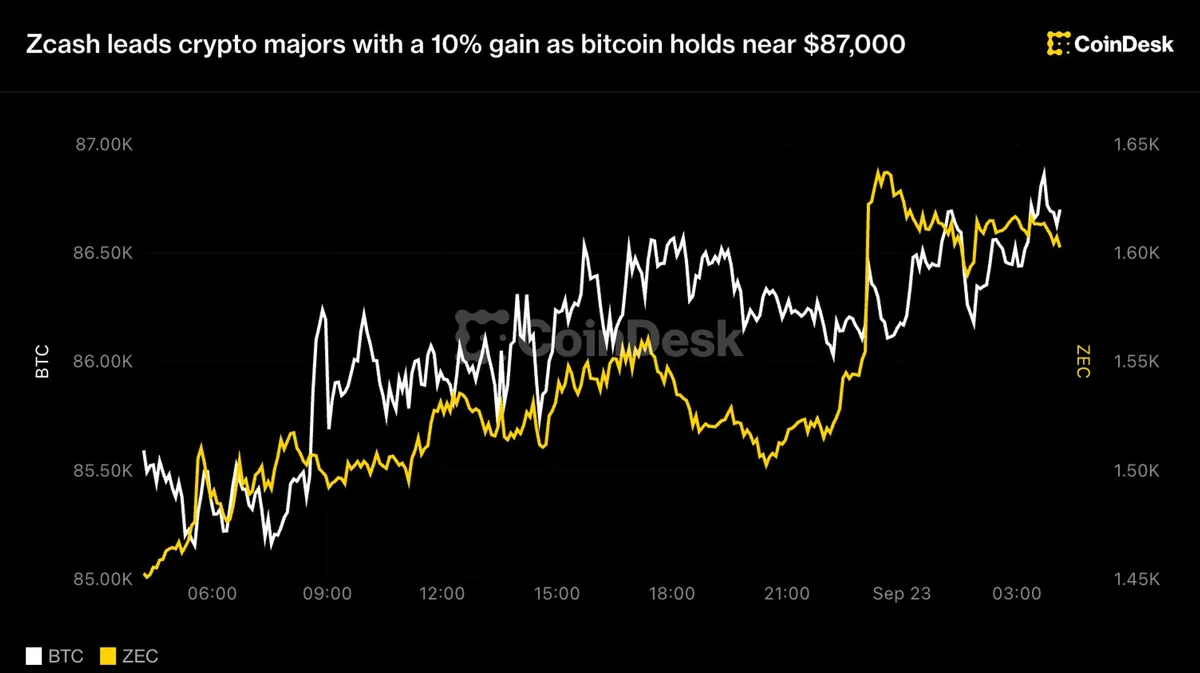
Zcash outperforms major cryptos with 10% gain as bitcoin nears $87,000

XRPL's amendment addresses signer gap but risks linger for client apps