Crypto Biz: When dollars disappear, stablecoins step in
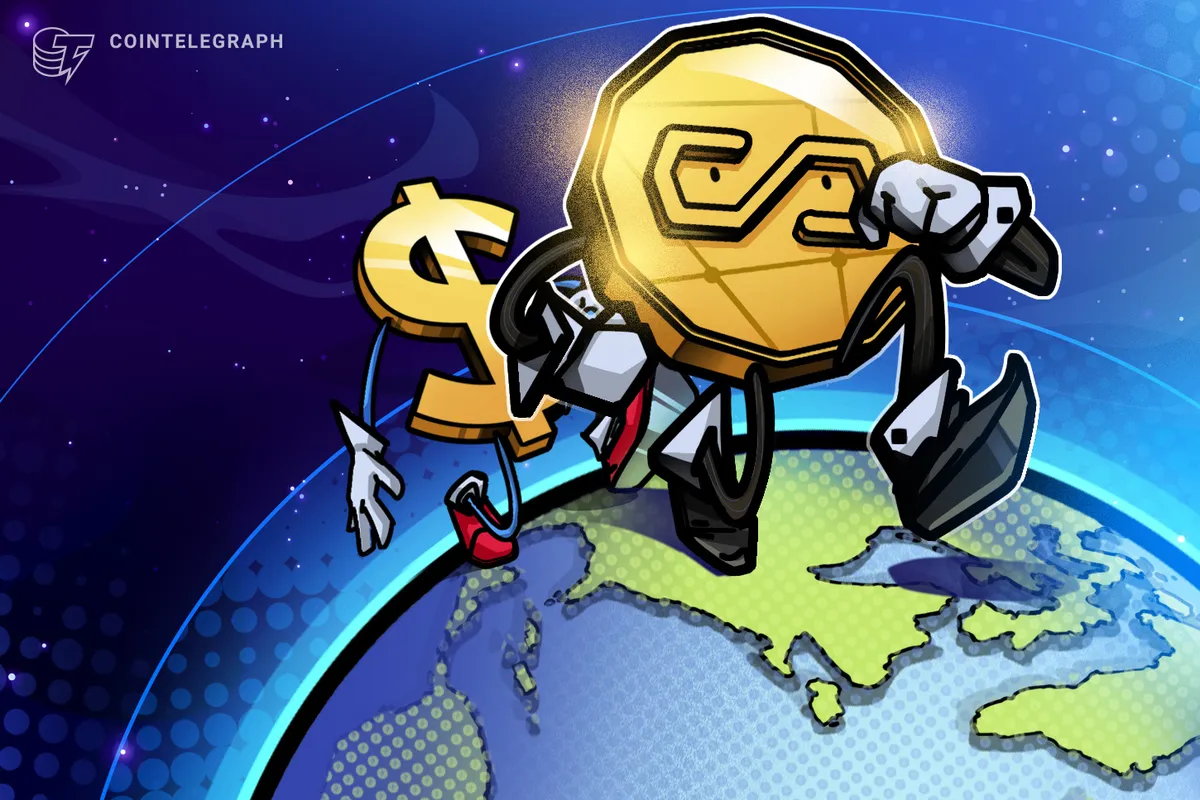
In a significant development within the cryptocurrency landscape, Bolivia has announced plans to recognize Tether (USDT) as a legal form of currency amid a growing dollar shortage in the country. This decision reflects a broader trend in which stablecoins are increasingly being seen as viable alternatives to traditional fiat currencies, especially in economies experiencing financial instability. The move is seen as a response to the challenges faced by Bolivians in accessing US dollars, which are critical for international transactions and trade. By embracing USDT, Bolivia aims to provide its citizens with a more stable and accessible medium of exchange that can help mitigate the adverse effects of currency shortages.
The backdrop to this decision involves a complex interplay of economic factors that have left many countries, including Bolivia, grappling with inflation and currency devaluation. The dollar has long been a cornerstone of international trade, but economic pressures, including supply chain disruptions and domestic fiscal challenges, have led to a scarcity of dollars in various regions. In Bolivia, this shortage has prompted the government to explore alternative solutions, and the recognition of stablecoins like USDT could serve as a lifeline for individuals and businesses alike. This pivot towards digital currency also marks a notable shift in the country's regulatory stance toward cryptocurrencies, which have previously faced scrutiny.
This move is significant not only for Bolivia but also for the broader cryptocurrency market. The adoption of stablecoins as a legitimate form of currency could pave the way for increased acceptance and integration of digital assets in mainstream finance. It underscores the potential for cryptocurrencies to provide stability in tumultuous economic environments, particularly for populations that may be underserved by traditional banking systems. As more countries consider similar measures, we could see a ripple effect that influences monetary policy and financial frameworks globally, further legitimizing the role of digital currencies.
Industry experts have reacted with cautious optimism to Bolivia's decision. Many believe that recognizing USDT could encourage other nations facing dollar shortages to explore similar paths, potentially leading to a more widespread adoption of cryptocurrencies. However, there are concerns about regulatory oversight, the volatility of digital assets, and the potential for misuse in financial systems. Experts emphasize the importance of establishing clear regulations and guidelines to ensure that the integration of stablecoins into national economies is both safe and effective.
Looking ahead, the recognition of USDT in Bolivia may prompt a wave of discussions around the role of stablecoins in financial systems globally. As the world continues to navigate economic uncertainties, the demand for reliable and stable alternatives to traditional currencies is likely to grow. This evolving landscape presents both challenges and opportunities for the cryptocurrency sector, as it strives to balance innovation with regulatory compliance. The Bolivian experience could serve as a case study for other nations contemplating the integration of digital currencies into their economies, making it a pivotal moment in the ongoing narrative of cryptocurrency adoption.

CoinMagnetic Team
Crypto investors since 2017. We trade with our own money and test every exchange ourselves.
Updated: July 2026
From our insights:
Related news

Binance Pool winds down operations as computing power drops 65 percent

Hotter inflation triggers steep Wall Street selloff for major bitcoin miners
Binance Is Shutting Down Its Bitcoin Mining Pool After Six Years

Binance sets November 10 deadline to sunset mining pool and cloud mining services

Binance sets November 10 deadline for mining pool shutdown