Crypto Biz: Nobody told Saylor ‘never sell’

In recent developments within the cryptocurrency space, Michael Saylor's decision to sell a portion of Bitcoin has stirred significant conversation. Saylor, who is best known for his "never sell" mantra regarding Bitcoin, sold 704 BTC from MicroStrategy’s holdings. This move has challenged the prevailing narrative that Bitcoin should be held indefinitely, raising questions about long-term strategies among institutional investors. The sale came amid a backdrop of fluctuating market conditions and increased scrutiny on cryptocurrency investments, making it a pivotal moment for many in the industry.
To understand the broader context, it is essential to recognize Saylor's role in the crypto world. As the co-founder and executive chairman of MicroStrategy, he has been a vocal advocate for Bitcoin, famously accumulating significant amounts since 2020. His commitment to the cryptocurrency has influenced many institutions and retail investors alike. However, the recent sale raises questions about liquidity and risk management, particularly as market volatility continues to be a concern. Saylor's action may signal a shift in strategy, one that emphasizes the importance of adapting to changing conditions rather than adhering strictly to a singular investment philosophy.
This development matters for the market as it could lead to a reevaluation of the "HODL" mentality that has dominated Bitcoin discussions. Saylor's sale might encourage other investors to consider their own strategies more critically, potentially leading to increased selling pressure if confidence wavers. Moreover, the broader implications of this shift could affect Bitcoin's price trajectory, as institutional sentiment can heavily influence retail behavior. If more investors start to question their long-term holding strategies, we could witness a significant impact on Bitcoin's market dynamics.
Industry reactions have been mixed. Some experts argue that Saylor's sale reflects a more pragmatic approach to investment, suggesting that even the most committed advocates can adapt their strategies based on market conditions. Others, however, express concern that this could undermine the long-standing narrative of Bitcoin as a "store of value." Analysts from various firms are closely monitoring the situation to gauge whether this marks a trend among other institutional players or if Saylor's actions are an outlier.
Looking ahead, the implications of Saylor's sale will likely unfold over the coming months. As more institutions navigate the balance between holding and selling, we may see a shift in market sentiment. Additionally, how other industry players respond to Saylor's decision will be crucial. With JPMorgan's recent critiques of cryptocurrency clarity and Capital B's ambitions for major fundraising in the Bitcoin space, the landscape is evolving rapidly. It will be interesting to see whether this marks a turning point for institutional engagement with Bitcoin or if it simply serves as a momentary blip in the ongoing narrative surrounding digital assets.

CoinMagnetic Team
Crypto investors since 2017. We trade with our own money and test every exchange ourselves.
Updated: June 2026
From our insights:
Related news
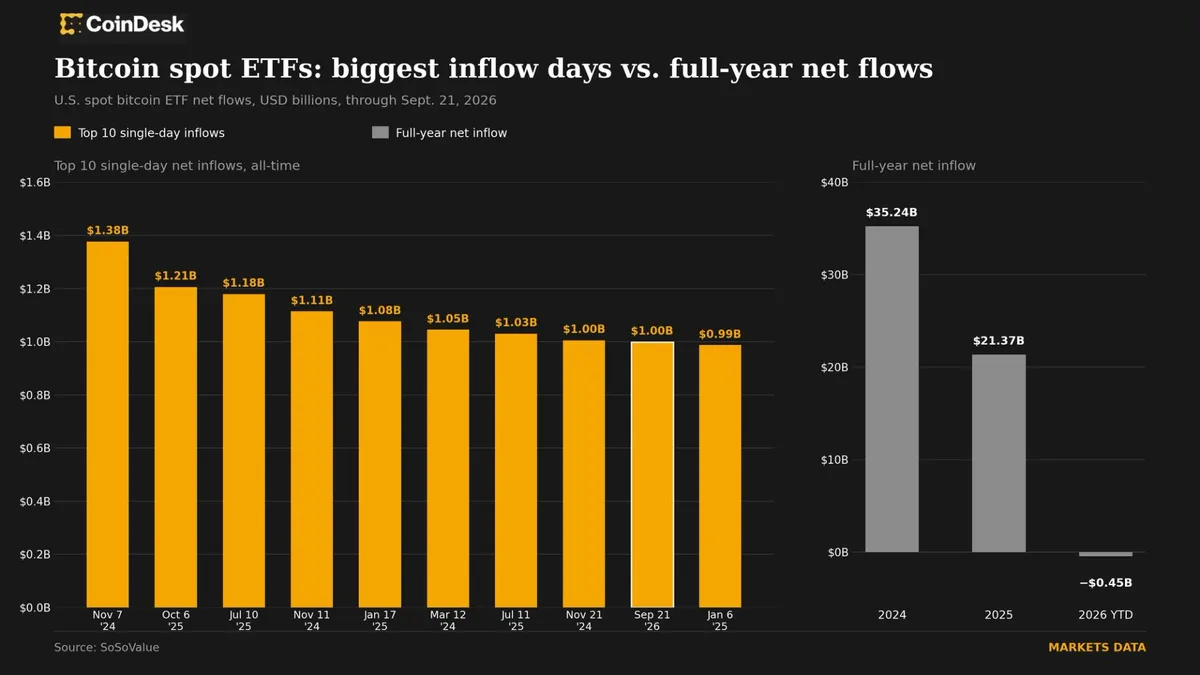
Spot bitcoin ETFs see nearly $1 billion inflow as bitcoin hits January highs

US spot Bitcoin ETFs see nearly $1 billion inflow, highest since October 2025
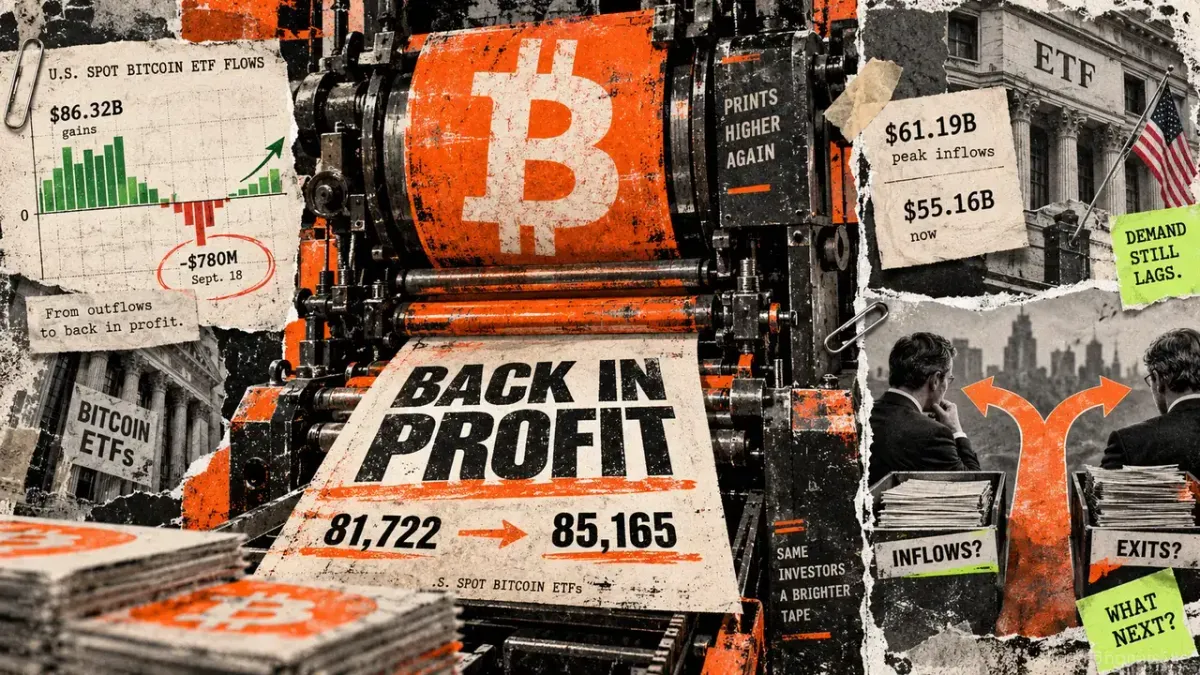
Bitcoin's rise to $86,000 restores profitability for ETF investors

Apple and Google seek crypto experts, signaling potential stablecoin initiatives

ECB initiates bond purchases using its own funds in crypto-linked system