THORChain faces legal scrutiny over inability to block $387.5 million in stolen funds
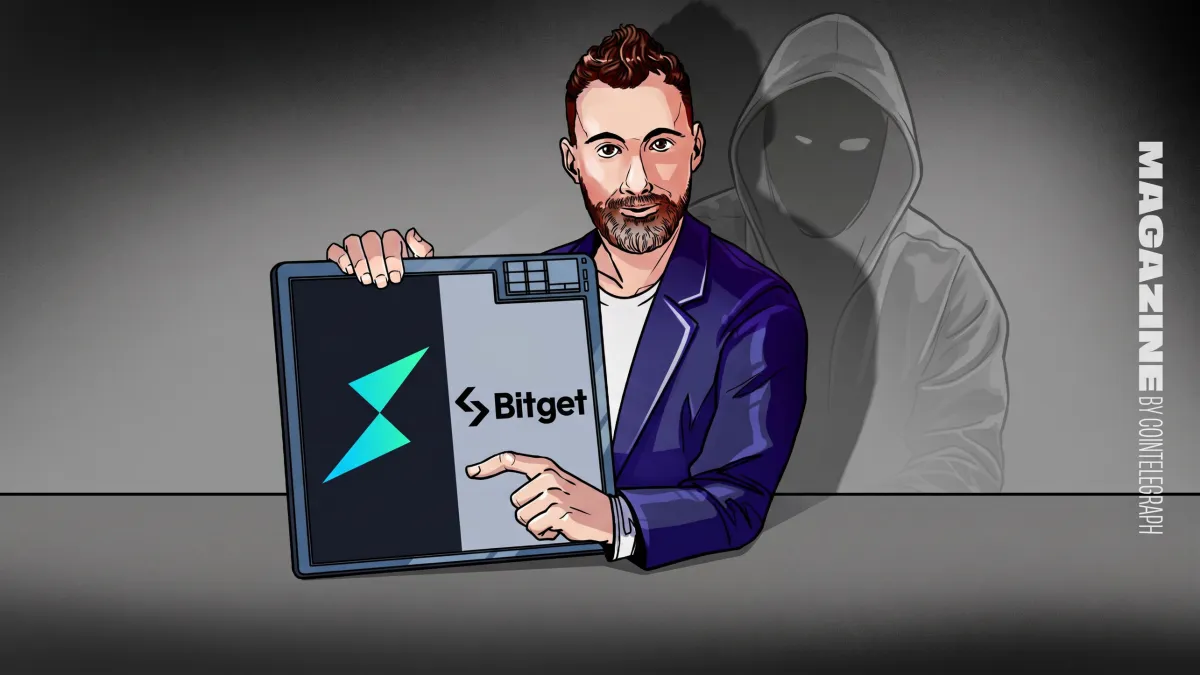
THORChain is currently under scrutiny as it grapples with the implications of the recent $387.5 million hack involving Bitget. The decentralized liquidity protocol has stated that it cannot or will not block the addresses associated with the stolen funds. This situation raises questions about the developer's legal responsibilities and whether they could face prosecution for potential money laundering activities as a result of this incident.
To understand the current predicament, it's essential to consider the nature of decentralized finance (DeFi) protocols like THORChain. These systems are designed to operate without a central authority, which limits the ability of developers to intervene in transactions or block specific addresses. The Bitget hack, which resulted in a significant loss of funds, has put THORChain in a challenging position, highlighting the risks inherent in the DeFi space where user autonomy is prioritized over centralized control.
The implications of this situation are profound for the broader cryptocurrency market. As regulators increasingly focus on compliance and anti-money laundering (AML) measures, the inability of DeFi platforms to restrict access to stolen funds could lead to increased scrutiny and stricter regulations. This could create a chilling effect on innovation within the space, as developers may become more hesitant to launch new projects that could expose them to legal liabilities.
Industry reactions to this development have been mixed. Some experts, including crypto lawyer Yuriy Brisov, suggest that the legal landscape surrounding DeFi is complex and evolving. They argue that while developers may face challenges, the decentralized nature of these platforms makes it difficult to assign liability in the traditional sense. Others express concern that this incident could set a precedent for future legal actions against DeFi protocols, potentially stifling growth in the sector.
Looking ahead, the situation raises important questions about the future of THORChain and similar projects. As the legal ramifications unfold, it will be crucial for developers to navigate the fine line between innovation and compliance. The outcome of this case may influence how decentralized platforms operate and how they approach security and regulatory compliance in the future.

CoinMagnetic Team
Crypto investors since 2017. We trade with our own money and test every exchange ourselves.
Updated: September 2026
From our insights:
Related news
SEC updates token buyback guidelines as market spending reaches $638 million

Bitcoin poised for reaction ahead of US oil sale of 40 million barrels

Crypto advocacy group Stand With Crypto rolls out its first round of Senate endorsements after failed Clarity vote

CFTC Investigating Adam Kinzinger Over Kalshi Bets on His Own Pardon: Report

SEC's modernization of transfer-agent rules aims to prevent paperwork crisis