SEC's modernization of transfer-agent rules aims to prevent paperwork crisis
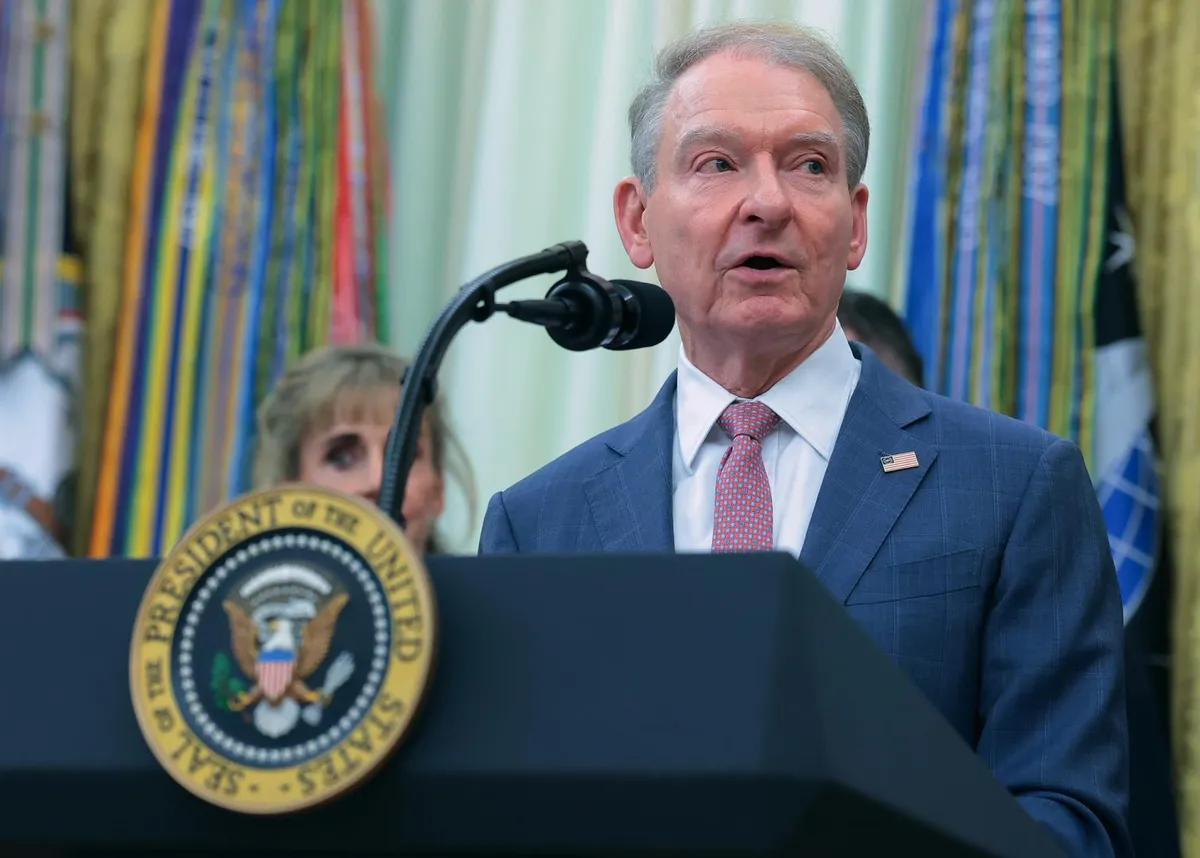
The SEC has announced a significant update to its transfer-agent rules, a move that aims to address the complexities introduced by modern financial technologies. This modernization comes in response to the growing prevalence of blockchain technology and the need for a more structured approach to ownership data management. According to Joris Delanoue from Fairmint, the current landscape, where ownership data can be dispersed across various platforms–including token wrappers, special-purpose vehicles (SPVs), broker internal ledgers, and off-chain databases maintained by transfer agents–poses a risk of a ‘Paperwork Crisis’ in the blockchain age.
Historically, the role of transfer agents has been pivotal in maintaining accurate ownership records for securities. However, as the financial ecosystem evolves with the integration of blockchain technology, the traditional methods of data management are being challenged. Delanoue highlights that if these ownership records remain fragmented across multiple systems, it could lead to significant inefficiencies and complications, reminiscent of the challenges faced during previous financial crises. The SEC’s effort to modernize these rules reflects an understanding of the necessity to adapt to new technological realities.
This development is crucial for the market as it signals a shift towards more robust regulatory frameworks that can support the digital transformation of financial assets. By improving the infrastructure surrounding transfer agents, the SEC aims to enhance transparency and security within the ownership process. This is particularly important as more companies look to tokenize their assets and leverage blockchain for trading, as it could help streamline operations and mitigate risks associated with fragmented data.
Industry reactions have been mixed, with some experts applauding the SEC's proactive approach while others caution that implementation could be fraught with challenges. Many believe that a well-structured framework could not only prevent potential crises but also foster greater confidence in blockchain applications. Delanoue's warning serves as a reminder to stakeholders that the responsibility lies with them to ensure that they are not only compliant but also prepared for the intricacies of a decentralized financial landscape.
Looking ahead, the SEC's updates could pave the way for more detailed guidance on how digital assets should be managed and reported. As the regulatory landscape continues to evolve, market participants will need to stay vigilant and adapt to new requirements. Stakeholders will be keenly watching the SEC’s next steps, as they could have lasting implications for how transfer agents operate in a blockchain-driven economy.

CoinMagnetic Team
Crypto investors since 2017. We trade with our own money and test every exchange ourselves.
Updated: September 2026
From our insights:
Related news
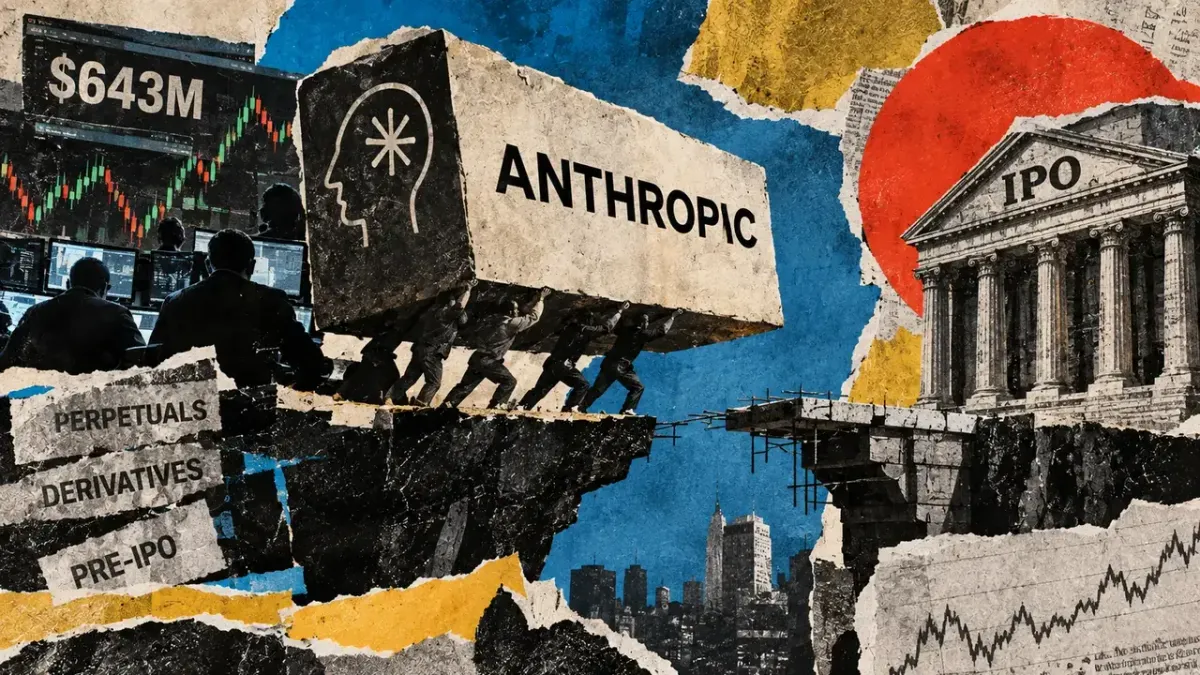
Anthropic tokenized pre-IPO volume reaches $643 million amid liquidity concerns

Winklevoss-owned Gemini switches Zcash software ahead of faster 25-second blocks

Robinhood expands trading hours and adds AI tools to attract active traders
Anthropic aims for $2 trillion IPO after $42 billion loss, revenue up twelvefold
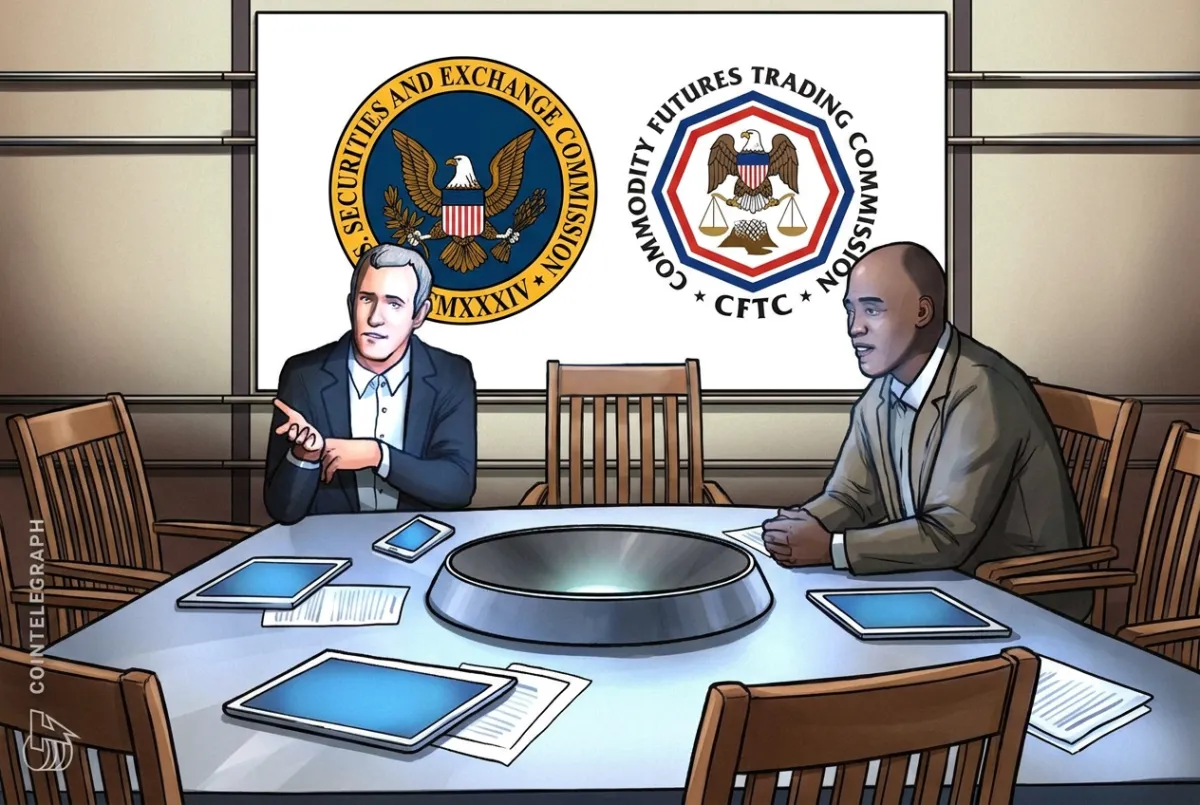
SEC and CFTC face critical leadership void as seven commissioner seats go empty