BIP-110 fork mines two blocks before halting due to low hashpower

The controversial Bitcoin fork known as BIP-110 has recently managed to mine two blocks before coming to a standstill. This breakaway chain, which was initiated with the intention of diverging from Bitcoin's main network, inherited the original blockchain's mining difficulty. However, it possesses only a minuscule share of the total hashpower, resulting in a significant delay between block confirmations, with intervals stretching to hours. Both the original Bitcoin chain and the BIP-110 fork continue to accept the same transactions, creating a unique situation in the blockchain ecosystem.
To understand the implications of BIP-110, it's essential to consider the context surrounding its development. Forks in the cryptocurrency world often arise from disagreements among developers or stakeholders about the direction of a project. In this case, BIP-110 was proposed as a way to implement certain changes that some felt were necessary for Bitcoin's evolution. However, the execution of such forks can be highly unpredictable, especially when they fail to attract sufficient support from miners and users.
The halting of BIP-110 after just two blocks raises important questions for the cryptocurrency market. It highlights the challenges that new forks face when they cannot secure enough hashpower to maintain operations. This incident serves as a reminder of Bitcoin's robustness; despite forks like BIP-110, the original Bitcoin network continues to function smoothly, reinforcing its status as the leading cryptocurrency. Investors and traders may view this fork as a cautionary tale, which could impact their confidence in similar future projects.
Industry reactions to BIP-110's brief existence have been mixed. While some proponents of the fork argue that it represents a necessary evolution in Bitcoin's ecosystem, many experts have expressed skepticism. They point out that the lack of miner support and the resulting operational difficulties indicate that the fork may not have a sustainable future. Comments from industry analysts suggest that this event could lead to further discussions about governance and the decision-making processes within the Bitcoin community.
Looking ahead, the fate of BIP-110 remains uncertain. As the cryptocurrency space continues to evolve, it is likely that other forks will emerge, each with their strengths and weaknesses. The outcome of BIP-110 could serve as a case study for future initiatives, prompting developers to consider factors such as miner support and community consensus more carefully before launching new forks. As we monitor the developments in this area, it will be crucial to keep an eye on how the community responds to the lessons learned from this incident.

CoinMagnetic Team
Crypto investors since 2017. We trade with our own money and test every exchange ourselves.
Updated: August 2026
From our insights:
Related news

Power cuts to Bitcoin miners may paradoxically increase energy consumption

Grayscale’s Zcash ETF plans 3-for-1 split after $233 million inflow surge
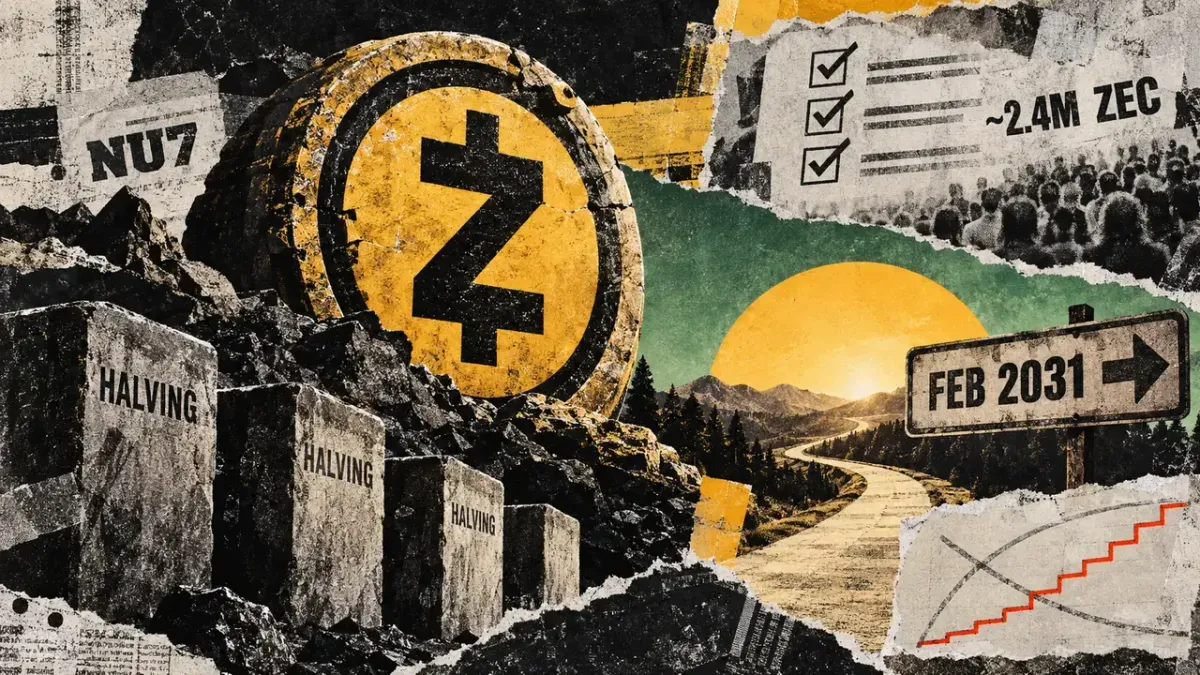
Zcash community votes to maintain halvings while delaying recycled ZEC until 2031
Zcash surges 168% in a month, nearing $1,400 after halving decision

Zcash miner Fortitude names former Hut 8 chief Jaime Leverton CEO ahead of Nasdaq deal
