Power cuts to Bitcoin miners may paradoxically increase energy consumption
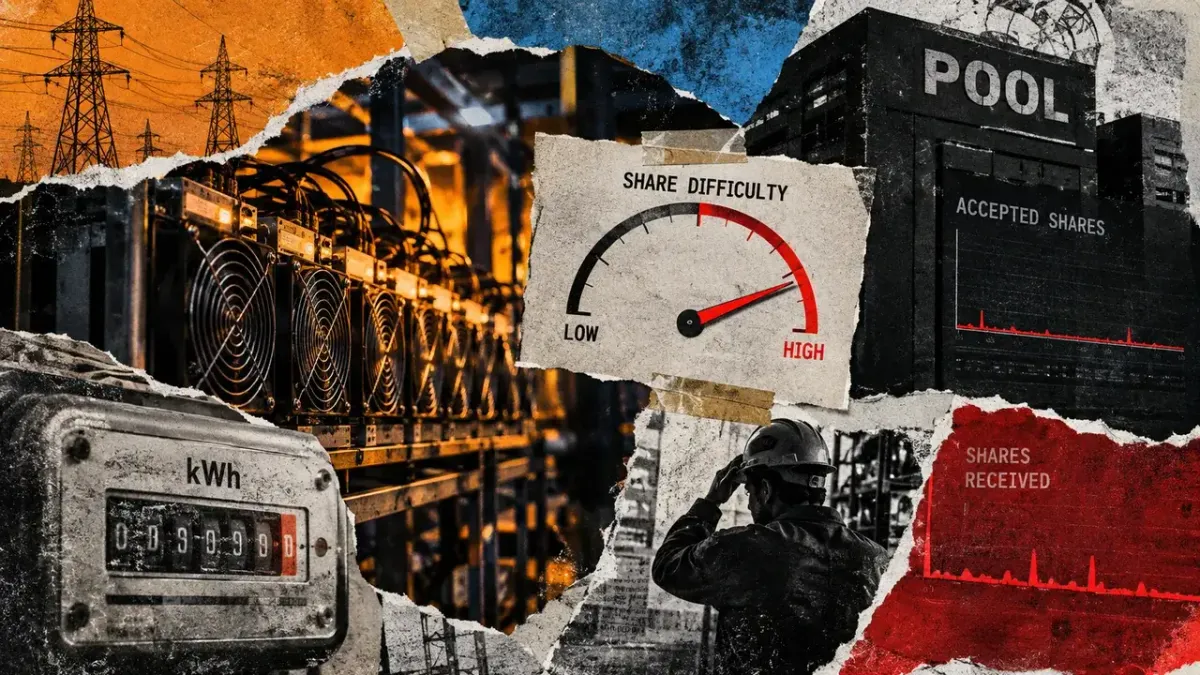
Recent discussions around the energy consumption of Bitcoin mining have taken an intriguing turn, highlighting the unintended consequences of cutting power to mining operations. A new analysis reveals that when power is cut to Bitcoin miners, particularly those using share-triggered controllers, the machines may continue to hash through a limited timeframe. This situation can lead to a scenario where miners are left operating at lower efficiency, ultimately burning more energy without achieving successful share acceptance.
The context surrounding this issue is essential for understanding the complexities of Bitcoin mining operations. As the debate over the environmental impact of cryptocurrencies intensifies, many miners are exploring ways to reduce their energy consumption. Traditional methods of managing energy use, such as turning off machines during peak demand hours, are often seen as solutions. However, this new perspective suggests that the mechanics of how these machines function can complicate the narrative about energy savings in the mining industry.
This finding is significant for the cryptocurrency market as it challenges the conventional wisdom surrounding energy management in Bitcoin mining. If power cuts lead to increased energy waste, the sustainability of mining operations could be called into question. Such revelations may influence regulatory discussions and public perception, particularly as more stakeholders advocate for environmentally friendly practices. Additionally, it raises concerns about the long-term viability of mining firms that do not adapt to this new understanding.
Industry experts have weighed in on this issue, noting that the operational efficiencies of mining hardware can greatly impact energy consumption. Some suggest that miners need to rethink their strategies, moving away from simplistic power-cut solutions towards more innovative approaches that optimize performance rather than merely reduce energy use. Furthermore, this could lead to a broader conversation about the need for technological advancements in mining equipment that prioritize energy efficiency.
Looking ahead, the implications of this analysis could prompt further research into energy consumption patterns among Bitcoin miners. As the industry grapples with its environmental impact, we may see increased investment in technology that maximizes efficiency while minimizing energy waste. This shift could not only benefit miners but also contribute to the broader goal of making cryptocurrency mining more sustainable.

CoinMagnetic Team
Crypto investors since 2017. We trade with our own money and test every exchange ourselves.
Updated: September 2026
From our insights:
Related news

Grayscale’s Zcash ETF plans 3-for-1 split after $233 million inflow surge

Zcash community votes to maintain halvings while delaying recycled ZEC until 2031

Zcash surges 168% in a month, nearing $1,400 after halving decision
Zcash miner Fortitude names former Hut 8 chief Jaime Leverton CEO ahead of Nasdaq deal

Bitcoin mining supplies 90% of HIVE’s $1 million daily revenue despite ongoing AI expansion