'Completely Legal': GrapheneOS Pushes Back as Duress Password Case Proceeds

In a significant legal development, GrapheneOS, a privacy-focused operating system, has publicly defended its stance in an ongoing case involving activist Samuel Tunick. Tunick is facing prosecution for allegedly refusing to provide a duress password to authorities, a situation he claims is intended to intimidate individuals advocating for privacy rights. GrapheneOS has asserted that its software is designed to empower users to maintain their privacy, even under duress, reinforcing the notion that these practices are completely legal. This case not only highlights the potential implications for privacy technology but also raises questions about the balance between law enforcement and individual rights.
The backdrop to this legal battle is rooted in increasing tensions between privacy advocates and governmental authorities. In recent years, there has been a growing awareness and demand for tools that protect digital privacy, especially in light of widespread surveillance and data collection practices. Activists like Tunick argue that the prosecution represents a broader effort to undermine privacy rights, with the potential to set a troubling precedent for future cases involving digital privacy tools. This context is critical as it underscores the stakes involved–not just for Tunick, but for privacy advocates everywhere who rely on technologies that prioritize user autonomy.
The implications of this case extend beyond the courtroom and into the wider cryptocurrency and tech markets. As privacy concerns continue to gain traction among consumers, the outcome of this case could have ripple effects on how privacy-focused technologies are perceived and utilized. If Tunick's prosecution is viewed as a threat to privacy rights, it may galvanize further support for privacy-centric projects, potentially driving demand for solutions that protect users from coercive tactics employed by authorities. Conversely, if the prosecution is upheld, it could deter individuals from using or advocating for privacy technologies, leading to a chilling effect on market innovation.
The industry reaction has been varied, with many privacy advocates and tech experts rallying behind Tunick and GrapheneOS. Prominent figures in the privacy community have expressed concern over the implications of this case, emphasizing the importance of protecting digital rights in an increasingly interconnected world. Experts argue that this case could serve as a litmus test for the legal standing of privacy tools, with some warning that a negative outcome could lead to more aggressive tactics from law enforcement against individuals utilizing privacy technologies. This sentiment has sparked discussions about the need for clearer legal protections for privacy tools and their users.
Looking ahead, the case appears poised to draw significant attention as it progresses through the legal system. With potential ramifications for privacy rights and technology use, many are watching closely to see how the courts will interpret the balance between law enforcement interests and individual privacy rights. As the legal proceedings unfold, it may prompt further dialogue within the tech community about the need for advocacy and legislation that safeguards digital privacy. The outcome could ultimately shape the landscape of privacy technology and influence how users approach their digital lives in the future.

CoinMagnetic Team
Crypto investors since 2017. We trade with our own money and test every exchange ourselves.
Updated: July 2026
From our insights:
Related news
Bitcoin Lightning Network vulnerabilities risk fund theft and node failures
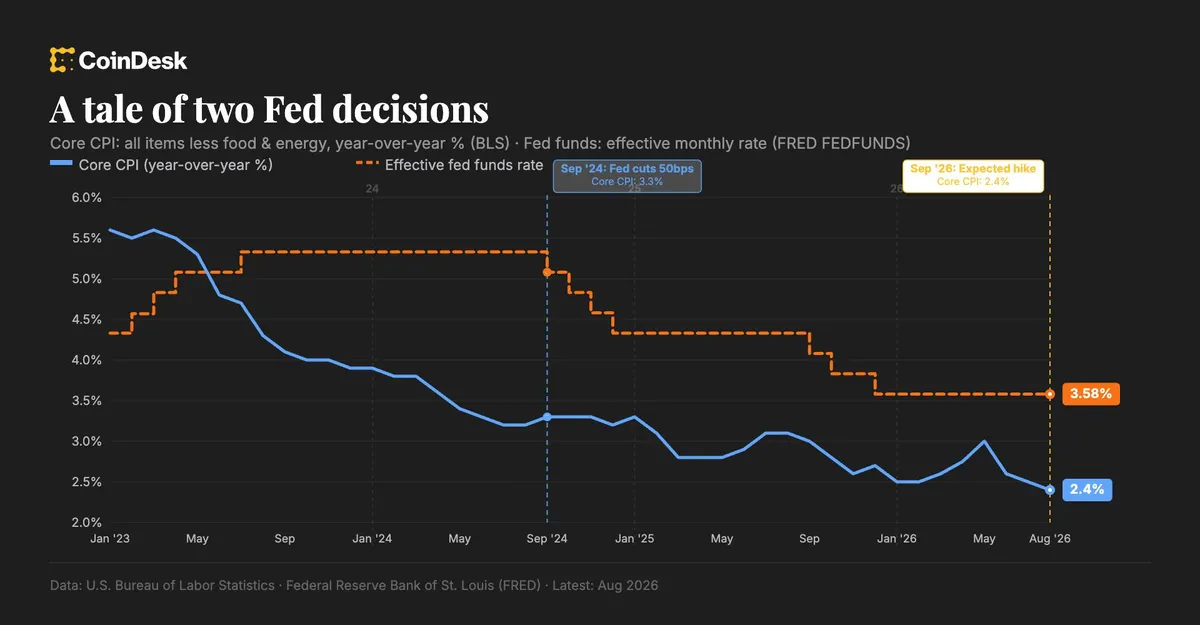
Goldman Sachs joins others retracting no rate hike forecast ahead of Fed decision

Crypto's Clarity Act awaits uncertain fate as U.S. Senate reconvenes

New rules require crypto wallet creators to report flaws in 24 hours

OpenAI's ChatGPT Images 2.5 shows promise against Google’s Nano Banana 2