Coldcard's $38 million (so far) exploit shakes faith in self-custody, may push investors to ETFs
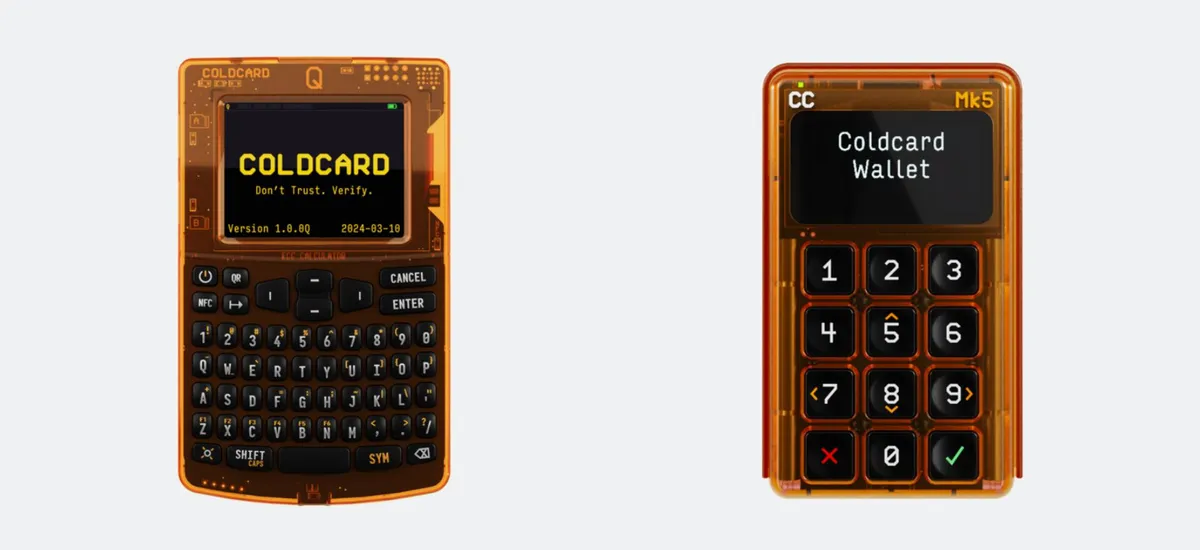
Recent developments surrounding Coldcard, a prominent hardware wallet, have raised significant concerns within the cryptocurrency community. A software vulnerability has led to the theft of nearly 600 bitcoin, equating to approximately $38 million. This incident has opened up discussions about the security of self-custody solutions, which many investors rely on to manage their crypto assets. As the details of the exploit continue to unfold, questions are arising about the safety of storing private keys independently, particularly for those who may not have extensive technical knowledge.
To provide some context, Coldcard has been a trusted name in the hardware wallet space, known for its robust security features and focus on enabling users to maintain control over their private keys. However, the recent exploit highlights the potential risks that come with self-custody. While hardware wallets have traditionally been seen as a safer alternative to exchanges, this incident serves as a reminder that no system is infallible. The increasing complexity of security measures can sometimes lead to vulnerabilities that even experienced users might overlook.
This situation has broader implications for the cryptocurrency market, as it may influence investor behavior. With self-custody being a cornerstone of the decentralized ethos, significant breaches could push individuals towards more traditional investment vehicles, such as exchange-traded funds (ETFs). Investors may increasingly question whether the risks associated with managing their own keys outweigh the benefits, potentially leading to a shift in capital allocation away from self-custodied wallets and towards regulated financial products that offer a layer of institutional oversight.
Industry reactions have been mixed, with some experts emphasizing the need for improved security protocols and greater education for users. Others argue that incidents like these can serve as a catalyst for innovation within the sector, prompting wallet developers to enhance their security measures and address vulnerabilities more proactively. The overarching sentiment remains one of caution, as the community grapples with the balance between self-sovereignty and security in an ever-evolving landscape.
Looking ahead, it will be crucial to monitor how Coldcard responds to this exploit and what measures are taken to restore user confidence. Additionally, the potential for increased regulatory scrutiny on self-custody solutions cannot be overlooked. As investors weigh their options, the future of self-custody in crypto may hinge on the industry's ability to adapt and provide secure, user-friendly solutions that cater to both seasoned traders and newcomers alike.

CoinMagnetic Team
Crypto investors since 2017. We trade with our own money and test every exchange ourselves.
Updated: July 2026
From our insights:
Related news

Robinhood responds to scrutiny with share redemptions and voting rights for stock tokens

Robinhood Chain approaches $1 billion in TVL, fueled by key growth factors
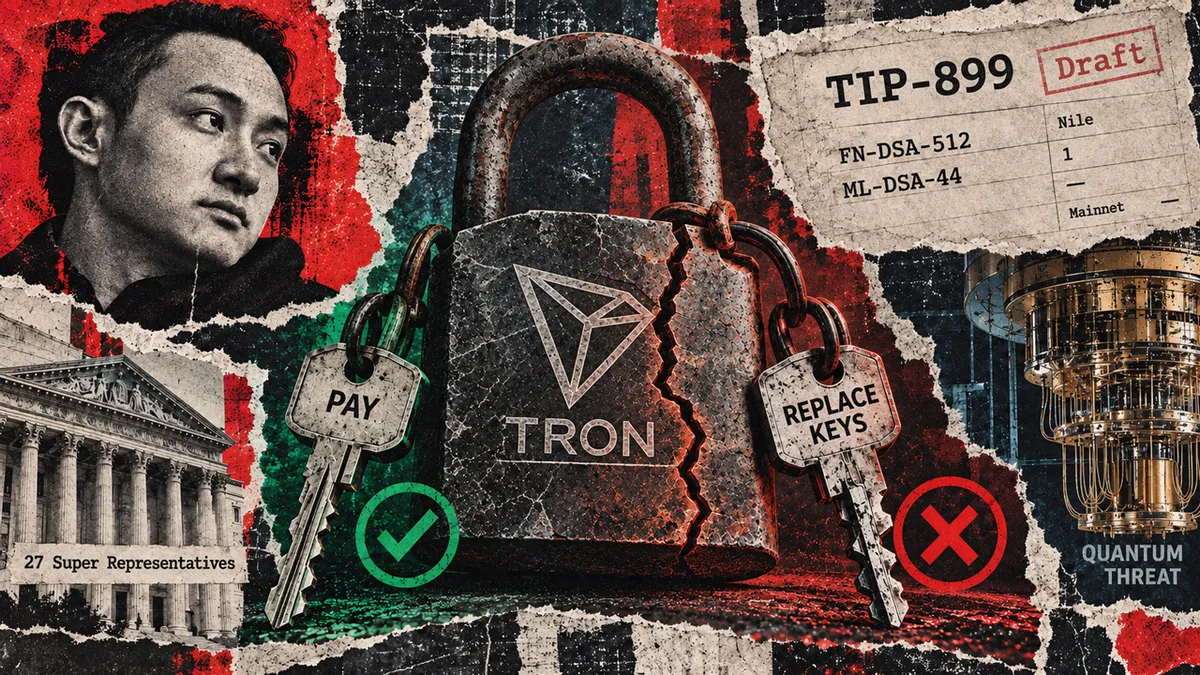
TRON’s quantum strategy risks locking wallets out of key replacements

Trump's $800 million crypto stake locked in until 2028 after token burn

Bitcoin nears $80K as Trump's Iran war comments pressure oil prices