Coldcard hack reveals firmware flaw, boosting multisig security adoption

The recent hack of Coldcard has ignited significant changes in the self-custody security landscape, according to insights from Cory Klippsten. The attack was traced back to a five-year-old firmware vulnerability that was previously undetected. This breach has prompted an immediate and vigorous response from the industry, leading to an increased focus on enhancing security measures for cryptocurrency storage solutions. The hack not only raised alarms about the existing security protocols but also catalyzed a broader conversation about the need for improved practices in self-custody solutions.
Understanding the context of this incident requires looking at the evolution of cryptocurrency security over the years. As the crypto market has grown, so too have the tactics employed by malicious actors. Coldcard, a popular hardware wallet, has been trusted by many for its security features, yet this incident reveals that even well-regarded products can harbor vulnerabilities. The incident serves as a stark reminder of the importance of continuous security assessments and upgrades in an ever-evolving threat landscape. For five years, the flaw went unnoticed, highlighting the need for more proactive measures in identifying and rectifying such vulnerabilities.
This incident is particularly significant for the market as it underscores the fragility of digital asset security. Following the hack, there has been a noticeable surge in discussions around collaborative multisig security solutions, which require multiple private keys to authorize a transaction. This approach is gaining traction as it enhances security by distributing control among several parties rather than relying on a single point of failure. As traders and investors prioritize the safety of their assets, this shift towards multisig solutions could reshape how individuals and institutions manage their cryptocurrency holdings in the future.
Industry experts have expressed varying opinions on the implications of the Coldcard hack. Some view it as a wake-up call for hardware wallet manufacturers to bolster their security measures and implement more rigorous testing protocols. Others believe it could lead to a more significant shift towards decentralized security models, where users take collective responsibility for their asset protection. The consensus is that the hack could act as a catalyst for innovation in security technologies, pushing the industry to adopt more resilient solutions to safeguard user assets.
Looking ahead, the focus on security enhancements is likely to continue. As more users become aware of the vulnerabilities in existing systems, there will be a growing demand for improved multisig solutions and other security innovations. The Coldcard hack serves as a pivotal moment for the industry, potentially accelerating the adoption of collaborative security measures, and prompting manufacturers and developers to prioritize the resilience of their products against future threats.

CoinMagnetic Team
Crypto investors since 2017. We trade with our own money and test every exchange ourselves.
Updated: August 2026
From our insights:
Related news

Marc van der Chijs shifts focus back to crypto amid AI concerns

Ripple announces asset managers ready for XRP Ledger's Batch V1.1 upgrade

Bastion wins conditional OCC approval for national trust bank charter
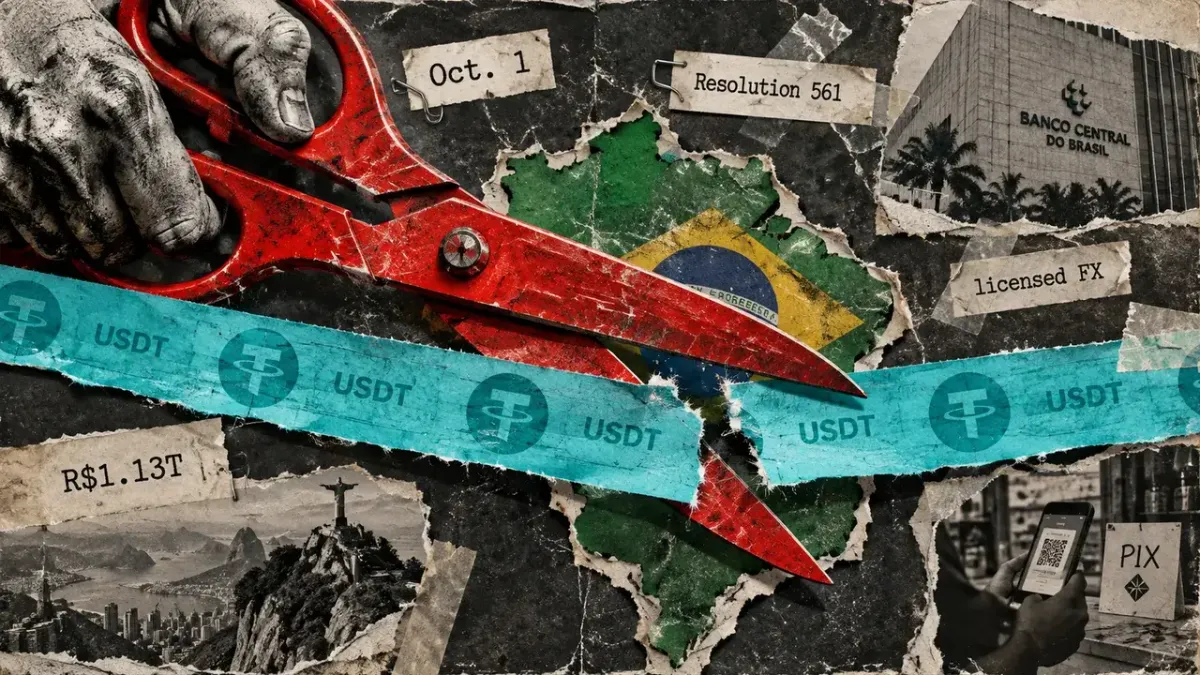
Brazil blocks stablecoins from key cross-border payment rail as $1.1 trillion market faces new limits

Former banker sentenced to four years for $1.6B credit fraud and crypto bribes