Bank of England's £368 billion unwind presents eight-year rates challenge for Bitcoin
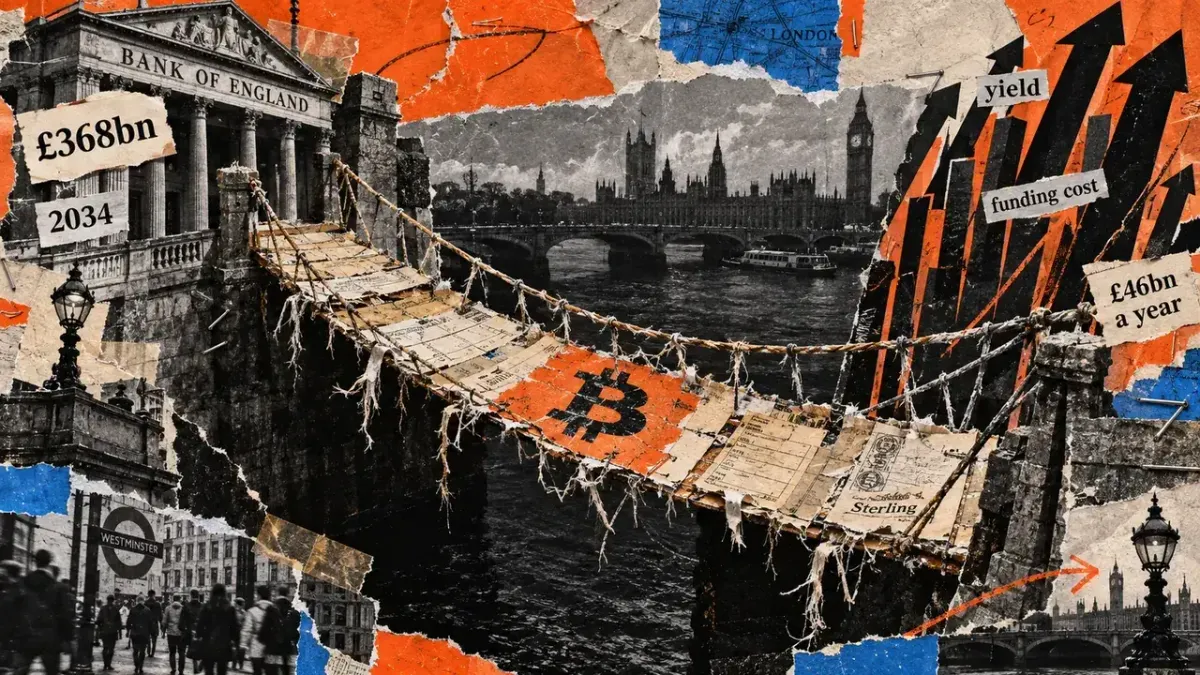
Bitcoin is poised to face a significant test as the Bank of England (BOE) embarks on the unwinding of its £368 billion asset purchase program. This unwinding is seen as a crucial step in the BOE's efforts to normalize monetary policy following an extended period of low interest rates. The market is currently observing fluctuations in gilt yields, which have recently fallen as active auctions came to a halt. However, the implications of the BOE’s full portfolio unwind could create a persistent rates risk that lingers for Bitcoin and other assets.
The context surrounding this situation begins with the BOE's extensive quantitative easing measures implemented during and after the financial crisis and more recently due to the COVID-19 pandemic. These measures were aimed at stimulating the economy by lowering borrowing costs and encouraging spending. As inflation concerns rise, the BOE is now attempting to reverse these policies. The unwinding of such a large portfolio can have profound effects on market liquidity and investor sentiment, particularly in the cryptocurrency sector, which has often been viewed as a hedge against inflation and currency devaluation.
This situation matters for the market as Bitcoin has historically been sensitive to macroeconomic factors, especially interest rates and inflation trends. If the BOE's actions lead to rising interest rates, it could diminish the appeal of Bitcoin as an alternative asset, thereby affecting its price dynamics. Investors in Bitcoin may need to navigate a complex landscape where traditional financial policies directly influence cryptocurrency valuations, potentially leading to increased volatility.
Industry reactions to the BOE's unwinding have been mixed, with some experts expressing concern about the potential for increased market turbulence. Analysts suggest that while the long-term outlook for Bitcoin may remain positive as a store of value, short-term price fluctuations could become more pronounced as investors react to changes in the interest rate environment. Others argue that Bitcoin's resilience and growing adoption may mitigate some of these risks, allowing it to thrive even in a tightening monetary policy framework.
Looking ahead, the ongoing process of unwinding the BOE's asset purchases will likely be watched closely by traders and investors alike. The results of this experiment in monetary policy could set a precedent for similar actions by other central banks, further influencing global markets. As Bitcoin navigates this eight-year rates test, stakeholders will need to stay alert to both domestic and international economic indicators that may impact its trajectory.

CoinMagnetic Team
Crypto investors since 2017. We trade with our own money and test every exchange ourselves.
Updated: September 2026
From our insights:
Related news
Zcash aims to reduce block time from 75 to 25 seconds with new upgrade

Blockchain halt due to 3-year-old bug leads to $1.3 million loss

XRP rises 6.9% alongside Bitcoin's recovery above $800,000

Bitcoin crosses $80,000 as Solana and Hyperliquid surge despite Clarity Act delays

Cyberattack on Haruko affects 15 clients, including smaller hedge funds