Banks now account for 23% of EU MiCA crypto providers as their numbers double

Banks have significantly increased their presence on the European Securities and Markets Authority’s (ESMA) MiCA register, now representing nearly one in four crypto service providers. This surge follows a doubling of their numbers since late June, highlighting a growing acceptance and integration of traditional financial institutions into the cryptocurrency space. The MiCA regulation aims to create a comprehensive regulatory framework for digital assets within the European Union, and banks are rapidly positioning themselves to capitalize on this evolving landscape.
The MiCA regulation was introduced to establish a harmonized framework for crypto-assets across the EU, aiming to enhance consumer protection and ensure financial stability. Prior to this framework, the regulatory environment for cryptocurrencies was fragmented and often unclear, making it difficult for businesses and consumers alike to navigate. With banks now increasing their participation, it reflects a shift towards greater institutional engagement in the crypto market, providing a sense of legitimacy and security that may attract more users.
This development is noteworthy for the market as it could signal a turning point in the mainstream adoption of cryptocurrencies. With banks stepping into the space, there is potential for increased liquidity and stability within the market. Furthermore, the involvement of traditional financial institutions may lead to more innovative financial products and services based on digital assets, thereby expanding the overall market ecosystem.
Reactions within the industry have been mixed, with some experts praising the move as a positive step towards mainstream adoption, while others express caution regarding the implications of traditional banking practices on the decentralized nature of cryptocurrencies. The increase in banks on the MiCA register may also lead to greater regulatory scrutiny, which could impact how crypto businesses operate and innovate moving forward.
Looking ahead, the continued growth of banks in the MiCA register could pave the way for further collaboration between traditional finance and the crypto sector. As the regulatory landscape evolves, it will be interesting to see how these institutions adapt to the rapidly changing environment and what new services they will offer to meet the demands of crypto users.

CoinMagnetic Team
Crypto investors since 2017. We trade with our own money and test every exchange ourselves.
Updated: September 2026
From our insights:
Related news

Bitcoin crosses $80,000 as Solana and Hyperliquid surge despite Clarity Act delays

Cyberattack on Haruko affects 15 clients, including smaller hedge funds

CFTC files crypto asset rulemaking with White House, pressing ahead without Congress

Zcash upgrade aims for November launch to triple payment speed
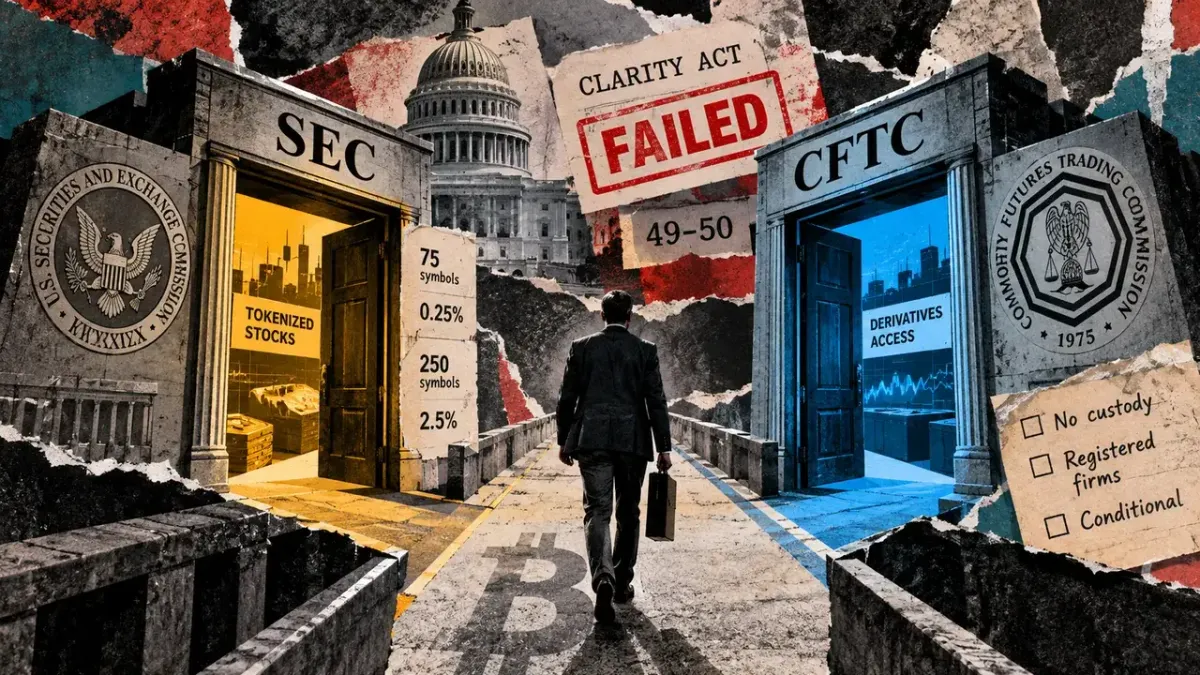
SEC and CFTC offer crypto access amid unresolved jurisdiction issues