CoinEx denies claims it served as $3.84 billion gateway to sanctioned Iranian crypto firms

CoinEx has recently found itself in the spotlight following allegations from blockchain analytics firm TRM Labs, which claims that the exchange acted as a gateway for over $3.84 billion in transactions linked to sanctioned Iranian cryptocurrency firms. The report suggests that CoinEx facilitated significant blockchain-traced flows with these entities, raising concerns over compliance with international sanctions. In response, CoinEx has vehemently denied these claims, asserting that they have robust compliance measures in place and that the allegations are unfounded. The exchange emphasized its commitment to regulatory standards and stated that it is cooperating with relevant authorities to clarify the situation.
To put this situation into context, the relationship between cryptocurrency exchanges and regulatory compliance has become increasingly scrutinized in recent years. As governments around the world tighten their oversight on digital asset transactions, particularly in relation to sanctioned entities, exchanges face mounting pressure to ensure they are not inadvertently facilitating illicit activities. CoinEx's situation is part of a broader narrative where various exchanges find themselves navigating a complex landscape of compliance, especially with respect to countries under international sanctions like Iran.
The implications of these allegations are significant for the broader cryptocurrency market. If proven true, they could lead to increased scrutiny not just for CoinEx but for other exchanges as well, potentially impacting investor confidence. Regulatory bodies may take a harder stance on exchanges operating in jurisdictions that are perceived to have weak compliance frameworks, which could lead to a chilling effect in the market. On the other hand, if CoinEx successfully proves its stance, it may bolster its reputation as a compliant and responsible player in the crypto space, attracting users who prioritize regulatory adherence.
Industry reactions have varied, with some experts highlighting the need for greater transparency across the crypto ecosystem. Many in the industry emphasize that this incident underscores the importance of having stringent compliance mechanisms in place to avoid potential pitfalls associated with regulatory scrutiny. Others caution against jumping to conclusions based solely on reports from analytics firms, pointing out that the complexities of blockchain transactions can sometimes lead to misinterpretations. As this situation unfolds, the perspectives of regulatory experts will be crucial in shaping the dialogue around compliance in the crypto industry.
Looking ahead, it will be essential to monitor how CoinEx navigates this challenge and what measures they implement to address the allegations. The exchange's response may set a precedent for how similar cases are handled in the future. With regulatory frameworks evolving and the crypto landscape continuously shifting, exchanges must remain vigilant and proactive in demonstrating their commitment to compliance. This incident could serve as a critical learning opportunity for the industry as a whole, prompting exchanges to reevaluate their practices and strengthen their compliance protocols.

CoinMagnetic Team
Crypto investors since 2017. We trade with our own money and test every exchange ourselves.
Updated: June 2026
From our insights:
Related news
Bitcoin longs face $280 million liquidation as BTC dips below $84K

Solana's Alpenglow enters testnet phase as SOL approaches January peak

EU to focus on AI and tokenization oversight by 2027, says ESMA

Traditional asset perps draw $18B as altcoin trader numbers drop to 19%
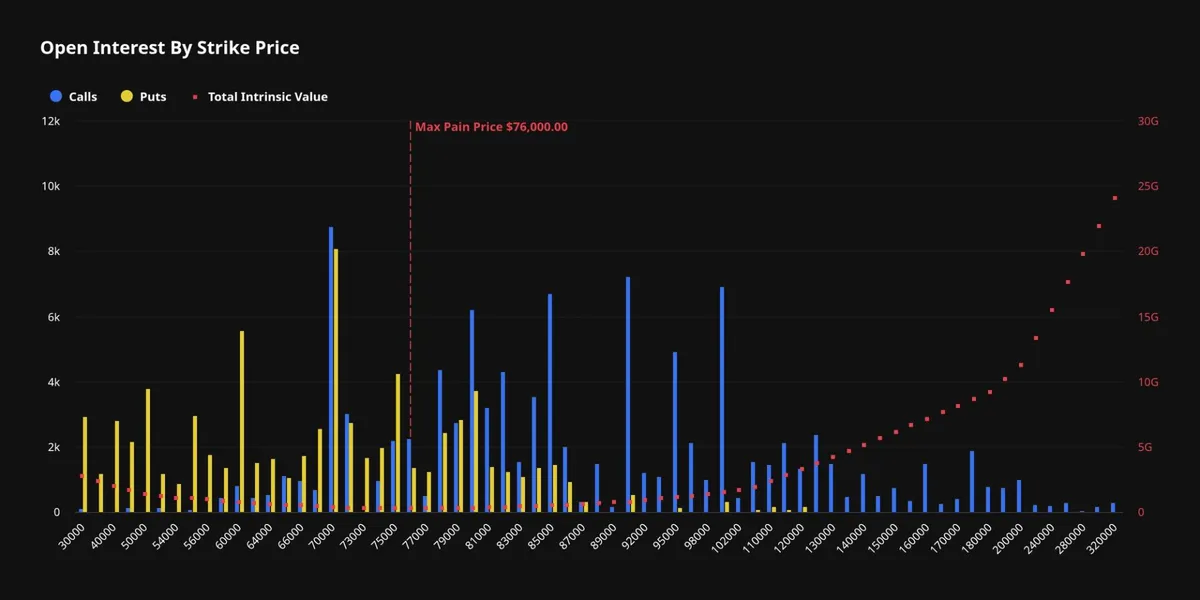
Bitcoin options settlement of nearly $18 billion could impact volatility