Clarity Act survival depends on the U.S. Senate getting a lot of non-crypto work done
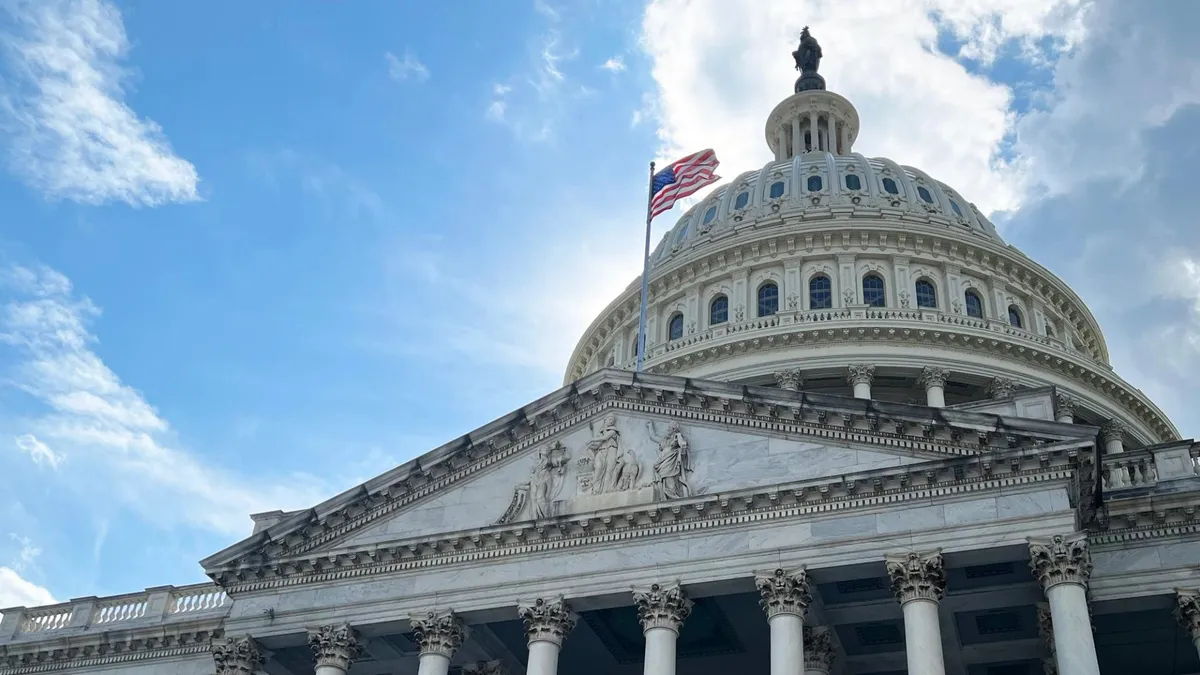
The future of the Clarity Act, a significant piece of legislation aimed at defining the regulatory framework for the cryptocurrency industry in the United States, hangs in the balance as the Senate faces a crowded schedule. With the congressional calendar dwindling, there is increasing pressure for lawmakers to address a variety of pressing issues, which could sideline discussions on crypto regulation. As the Senate prioritizes other pressing matters, the window for advancing the Clarity Act may close, leaving the crypto market in a state of uncertainty.
The Clarity Act emerged as a response to the growing complexity and ambiguity surrounding cryptocurrency regulations in the U.S. Traditionally, the regulatory landscape has been fragmented, leading to confusion among investors and businesses alike. By providing a clearer framework, the Clarity Act aims to foster innovation while also ensuring consumer protection. However, as lawmakers grapple with budgetary concerns, healthcare, and other legislative priorities, the fate of this bill could hinge on how effectively the Senate can manage its time and resources.
This situation carries significant implications for the cryptocurrency market. The lack of a clear regulatory framework could deter institutional investment and hinder innovation within the sector. Investors and companies are seeking regulatory certainty to make informed decisions. If the Clarity Act fails to advance, it may prolong the current state of ambiguity, which could lead to increased volatility in the market. Conversely, if it succeeds, it could pave the way for a more stable and robust crypto environment, potentially attracting more participants to the space.
Industry reactions to the impending legislative competition have been mixed. Some experts express optimism that the urgency of the situation will prompt lawmakers to prioritize the Clarity Act, viewing it as essential for the U.S. to maintain its competitive edge in the global crypto market. Others, however, are skeptical, warning that without a concerted effort to focus on crypto regulation, the bill could be lost amid a sea of other legislative priorities. They argue that the crypto industry must continue to advocate for its interests to ensure that it remains on the agenda.
Looking ahead, the crypto community will be closely monitoring the Senate's actions in the coming weeks. The outcome of this legislative session could shape the regulatory landscape for years to come, influencing the trajectory of the market and the participation of both investors and firms in the cryptocurrency space. As the deadline approaches, the stakes are high, and the path forward remains uncertain.

CoinMagnetic Team
Crypto investors since 2017. We trade with our own money and test every exchange ourselves.
Updated: June 2026
From our insights:
Related news

Reap aims to enhance cross-border FX with non-USD stablecoins including peso

ECB and EU central banks propose liquidity thresholds for stablecoins

Four GOP senators backing CLARITY Act seek changes to stablecoin provisions

US investigates Binance for potential Iran-linked trading violations

Crypto sector emerges as top donor with $206 million in midterms backing