Mizuho warns autonomous AI tools could cost Circle up to 20 percent of its revenue

At CoinMagnetic, we are tracking a fresh warning from financial services giant Mizuho regarding the intersection of artificial intelligence and stablecoin adoption. According to their latest analysis, stablecoin issuer Circle faces a medium-term reserve revenue downside risk of 10 to 20 percent. This potential financial squeeze is driven by the rise of autonomous AI agents, which are increasingly capable of steering USDC holders away from standard digital assets and toward higher-yielding fiat alternatives.
Circle generates a substantial portion of its income from the yield earned on the traditional fiat reserves backing USD Coin, primarily short-dated United States Treasury bills. When interest rates are favorable, this model yields significant profits. However, the rapidly expanding capabilities of artificial intelligence are introducing new consumer behaviors and financial routing mechanisms that could disrupt this established revenue stream.
This development matters deeply for the broader digital asset market because it highlights an unexpected vector of competition for stablecoin issuers. As AI agents become more sophisticated in managing personal and corporate finances, they will naturally seek out optimal returns for their users. If automated systems begin systematically shifting capital from static stablecoin balances into higher-yielding yield instruments, major issuers like Circle could see their reserve sizes contract.
Financial analysts and industry observers have been weighing in on how automation might reshape traditional crypto rails. The Mizuho note underscores a growing consensus that technological shifts outside of blockchain architecture proper, such as machine learning and autonomous software agents, will profoundly influence cryptocurrency adoption patterns and business models in the years ahead.
As we look to the future, the pressure is on stablecoin providers to innovate beyond simple reserve-backed models. Whether through integrating native yield options or partnering with AI developers to ensure USDC remains the preferred asset for algorithmic transactions, companies in this space will need to adapt quickly to a landscape increasingly shaped by autonomous financial decision-making.

CoinMagnetic Team
Crypto investors since 2017. We trade with our own money and test every exchange ourselves.
Updated: October 2026
From our insights:
Related news

Ethereum developers patch Glamsterdam bug to secure staking deposits
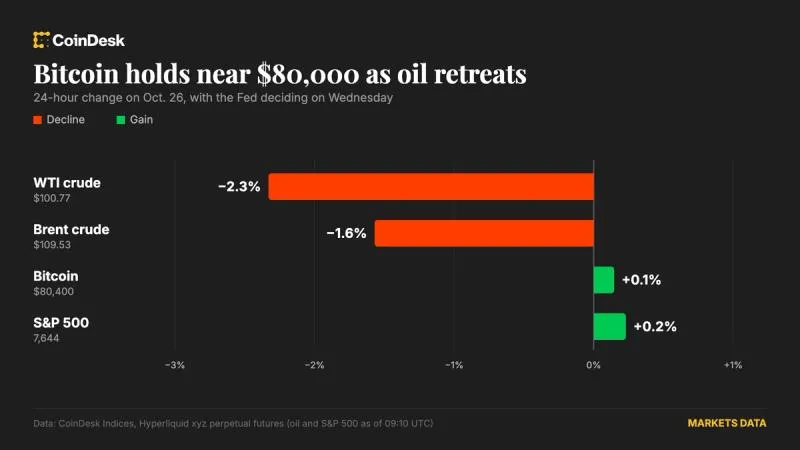
Federal Reserve rate decision on Wednesday keeps bitcoin steady around $80,400

Heatbit integrates 20 mining chips into an $899 water heater element

Lionel Messi chess advertisement featuring ChatGPT sparks viral debate over AI board setup and opening moves

A16z expands focus from crypto to AI and emerging tech investments