Circle became a federal trust bank – now lenders warn stablecoins is projected to drain $500 billion
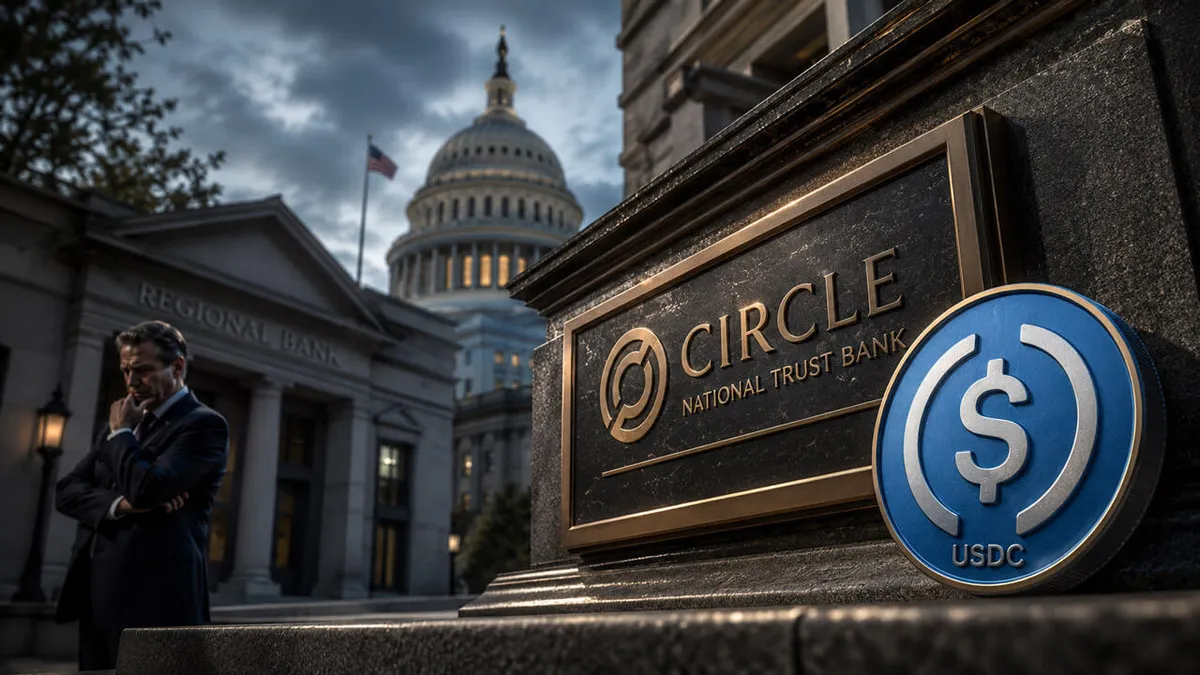
On July 10, Circle, the issuer of the popular stablecoin USDC, received final approval from the Office of the Comptroller of the Currency (OCC) to establish a national trust bank. This marks a significant milestone for Circle, as they become one of the first entities to gain such recognition in the realm of digital currencies. With this new status, Circle will operate under federal supervision, which enhances the legitimacy and credibility of USDC in the financial ecosystem. The approval is seen as a pivotal step in integrating stablecoins more deeply into the U.S. financial system, potentially influencing how these digital assets are perceived by both consumers and regulators.
The journey to this point has not been without its challenges. The regulatory landscape surrounding cryptocurrencies has been evolving rapidly, with concerns over consumer protection, market integrity, and systemic risks at the forefront. Stablecoins like USDC have gained traction due to their promise of providing a stable medium of exchange amidst the volatility of other cryptocurrencies. However, this growth has raised eyebrows among traditional lenders, who now warn that the increasing adoption of stablecoins could lead to significant withdrawals from conventional banking systems–some estimates suggest a staggering $500 billion could be drained as more users turn to these digital alternatives.
This development is particularly critical for the market as it signals a broader acceptance of digital currencies by regulatory bodies. It could pave the way for other stablecoin issuers to seek similar approvals, further legitimizing their operations and potentially leading to an influx of institutional investment. If stablecoins become a more integrated part of the financial landscape, it could lead to transformative changes in how transactions are conducted, savings are managed, and even how monetary policy is implemented.
Industry experts have expressed a mix of optimism and caution following Circle's announcement. Some view the approval as a validation of the stablecoin model, while others caution that the projected $500 billion drain from traditional lenders could have far-reaching implications for credit availability and financial stability. As lenders adapt to this shift, they may need to rethink their business models to remain competitive in an increasingly digital financial environment. The conversation around regulation is also likely to intensify as stakeholders seek to establish a framework that balances innovation with risk management.
Looking ahead, Circle's new status as a federal trust bank could spur a wave of regulatory discussions and potential legislative actions regarding the future of stablecoins and digital currencies in general. The implications of these developments will be closely monitored by market participants, as they could influence everything from the growth of decentralized finance (DeFi) to the overall health of the banking sector. As the landscape evolves, it remains to be seen how traditional financial institutions will respond and adapt to the encroaching influence of stablecoins like USDC.

CoinMagnetic Team
Crypto investors since 2017. We trade with our own money and test every exchange ourselves.
Updated: July 2026
From our insights:
Related news

Crypto PACs escalate spending against Sherrod Brown in Ohio Senate race

Border payments via stablecoins cut traditional wire costs by 84 percent

White House AI accord audits face limits if testers cannot choose targets

Ledger faced tampering warnings months prior to security crisis

Deutsche Bank targets Asian markets for its upcoming German crypto custody rollout