Ledger faced tampering warnings months prior to security crisis
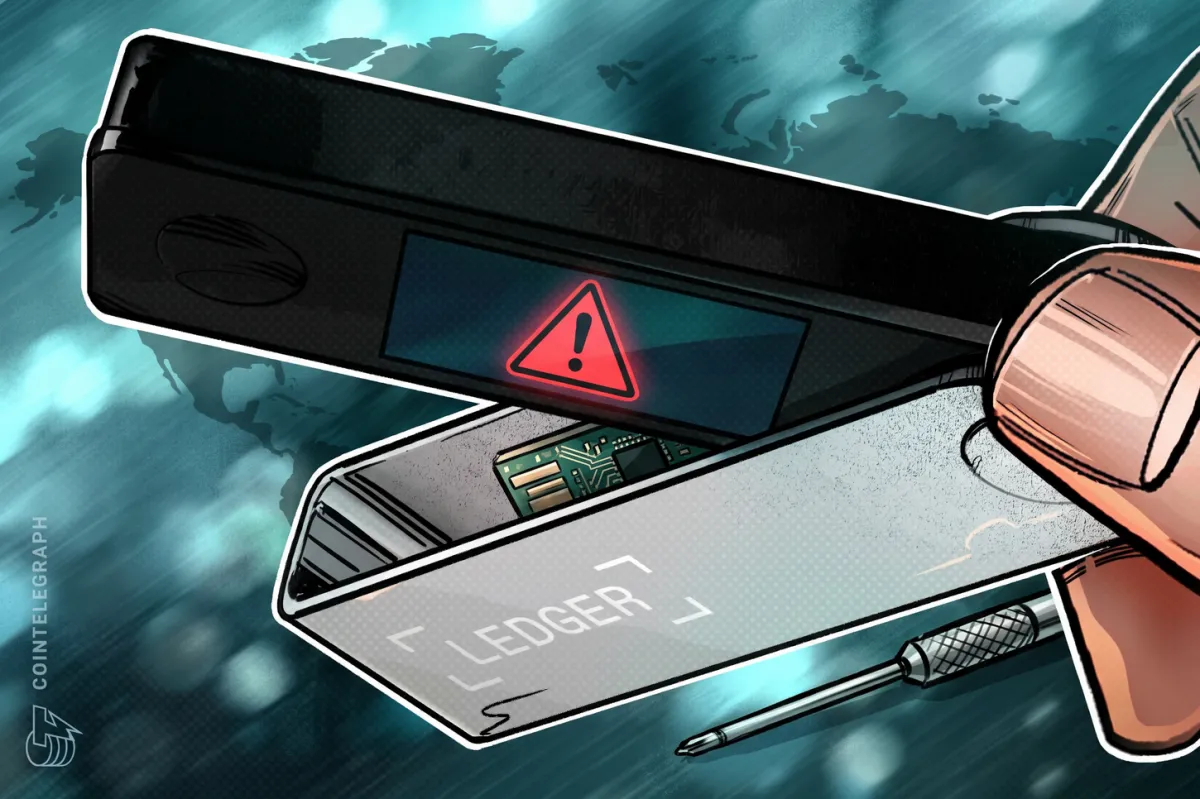
Recent disclosures have brought to light that hardware wallet manufacturer Ledger was warned about the risks of tampered devices months before its latest security crisis unfolded. According to former Mt. Gox CEO Mark Karpelès, the company received explicit notifications regarding early implant vulnerabilities that, in his view, warranted a much stronger and more immediate operational response than what was ultimately delivered.
This development places fresh scrutiny on Ledger and its security protocols, coming at a time when user trust in hardware storage solutions is already under a microscope. Hardware wallets are widely regarded as the gold standard for cryptocurrency self-custody, intended to keep private keys entirely offline and away from malicious actors. When questions arise regarding the physical integrity of these devices or the manufacturer's handling of prior warnings, the implications cut to the core of the industry's security model.
For the broader digital asset market, the handling of hardware security concerns matters deeply because millions of users rely on these physical tokens to secure substantial portfolios. Any hint of vulnerability in the supply chain or sluggishness in addressing reported flaws can trigger widespread anxiety among holders. As crypto adoption grows, the expectations for transparency and swift remediation from infrastructure providers are higher than ever, making timely communication essential for market confidence.
Industry reactions to Karpelès and his statements have highlighted a growing divide over how hardware manufacturers should disclose and mitigate pre-release or early-stage security flaws. While researchers and former executives argue for immediate public transparency and aggressive containment measures, companies often balance these concerns against the risk of causing premature panic or exposing proprietary manufacturing processes. Experts across the space continue to debate the optimal balance between responsible disclosure and commercial discretion in hardware manufacturing.
Looking ahead, the pressure is now on Ledger and similar infrastructure providers to rebuild confidence through rigorous third-party audits and clearer communication channels. As the community waits to see how manufacturers adapt their supply chain security measures, users are increasingly reminded of the importance of diversifying their security setups and remaining vigilant about the physical integrity of their storage devices.

CoinMagnetic Team
Crypto investors since 2017. We trade with our own money and test every exchange ourselves.
Updated: October 2026
From our insights:
Related news

White House AI accord audits face limits if testers cannot choose targets

Deutsche Bank targets Asian markets for its upcoming German crypto custody rollout

Circle plans expansion into 40 international markets to capture rising demand

Hyperliquid Tesla contract hits $47 million in volume after Roadster demo

Capital B reports $78M H1 loss driven by Bitcoin impairment charge