CFTC Backs Prediction Markets in Yet Another Lawsuit Against a State
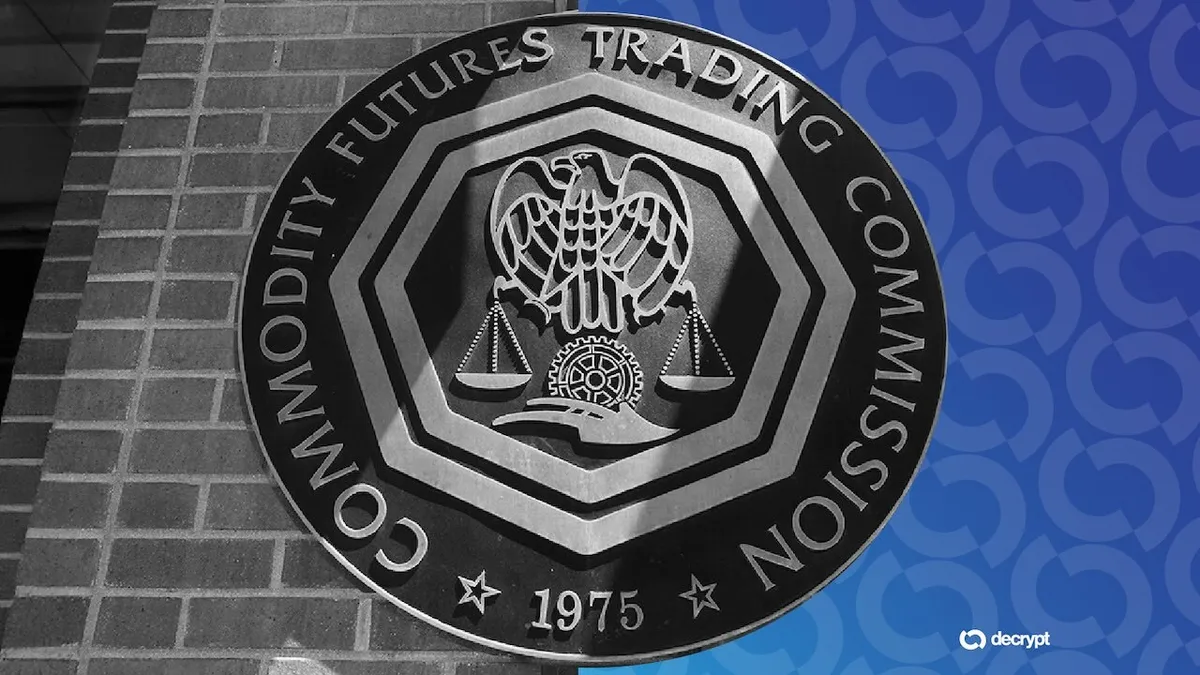
The Commodity Futures Trading Commission (CFTC) is taking a strong stance against state-level regulations on prediction markets, with Chair Mike Selig announcing plans to initiate lawsuits against any state that attempts to impose its gambling laws on these markets. This move underscores the CFTC's commitment to maintaining a unified federal framework for prediction markets, which have gained increasing popularity as a way for individuals to speculate on future events. Selig's declaration comes as several states have begun exploring ways to regulate these markets, raising concerns about inconsistent regulations that could hinder their growth and innovation.
The rise of prediction markets has been fueled by advances in technology and a growing interest in alternative methods of wagering on outcomes, from sporting events to political elections. Traditionally, prediction markets operate under a different legal framework than standard gambling operations, as they often fall under the jurisdiction of futures markets. However, states have been eyeing these platforms with an eye toward regulation, citing concerns over consumer protection and the integrity of the betting process. The CFTC's intervention seeks to preempt any piecemeal state regulations that could disrupt the market's functionality and appeal.
This legal stance is significant for the overall market as it reinforces the idea that prediction markets are not merely gambling tools but rather sophisticated financial instruments that can offer insights into public sentiment and future trends. By asserting federal jurisdiction, the CFTC aims to foster an environment conducive to growth, encouraging innovation and investment in prediction markets without the fear of conflicting state regulations. This could also pave the way for more robust participation from institutional players who may have been hesitant due to regulatory uncertainties.
Industry reactions to the CFTC's announcement have been mixed. Some experts applaud the move as a necessary safeguard for the integrity and stability of prediction markets, arguing that a clear regulatory framework can help attract more participants and bolster market legitimacy. Others, however, express concerns that an overly aggressive federal stance could stifle local initiatives that aim to create tailored regulatory environments that reflect the unique needs and interests of certain communities. The debate highlights the ongoing tension between federal oversight and state autonomy in the evolving landscape of digital markets.
Looking ahead, the CFTC's proactive approach could lead to a series of legal battles as states push back against federal intervention. The outcome of these lawsuits may shape the future of prediction markets and influence how similar financial instruments are regulated across the country. As the situation unfolds, stakeholders will be closely monitoring both the legal developments and their potential impact on market dynamics, as well as the broader implications for innovation in the financial sector.

CoinMagnetic Team
Crypto investors since 2017. We trade with our own money and test every exchange ourselves.
Updated: April 2026
From our insights:
Related news

Reap aims to enhance cross-border FX with non-USD stablecoins including peso

ECB and EU central banks propose liquidity thresholds for stablecoins

Four GOP senators backing CLARITY Act seek changes to stablecoin provisions

US investigates Binance for potential Iran-linked trading violations

Crypto sector emerges as top donor with $206 million in midterms backing