Cardano’s scaling overhaul hit by a user confidence gap widened by ADA’s slump and wallet exploit

Cardano has recently initiated public testing for a significant throughput upgrade, marking a crucial step in the blockchain's ongoing evolution. This upgrade comes alongside an advanced mainnet hard fork, indicating a commitment to improving the network's performance and scalability. However, these developments are overshadowed by a troubling decline in the price of ADA, Cardano's native cryptocurrency, and a multimillion-dollar exploit targeting wallets on the platform. This combination of factors has amplified concerns among users and investors, creating a notable gap in confidence that could hinder the adoption of these new technologies.
To understand the current situation, it is essential to consider Cardano's history and its ambitious goals. Founded by Charles Hoskinson, one of the co-founders of Ethereum, Cardano has always positioned itself as a third-generation blockchain, aiming to address scalability, interoperability, and sustainability. Over the years, Cardano has made considerable strides in its development, including the introduction of smart contracts and a robust proof-of-stake consensus mechanism. Yet, the recent challenges, particularly the wallet exploit that resulted in significant losses, have raised questions about the security and reliability of the ecosystem, which could deter potential users and investors.
The implications of this situation for the broader market are significant. As Cardano attempts to enhance its throughput and overall functionality, the accompanying decline in ADA's value may impact investor sentiment not only for Cardano but for the entire blockchain sector. Market participants tend to react to perceived instability; thus, the combination of a price slump and security breaches could stifle enthusiasm for new projects and investments within the ecosystem. This uncertainty might also influence other cryptocurrencies, particularly those that are vying for similar use cases as Cardano, as they may find themselves under increased scrutiny as well.
Industry experts have expressed mixed reactions to Cardano's latest advancements. While many acknowledge the technical merits of the upcoming upgrades, the prevailing sentiment points to a need for improved security measures and user confidence. Some analysts emphasize that the success of the hard fork and throughput upgrade hinges on the community's perception and the restoration of trust among users. Furthermore, several blockchain advocates have pointed out that Cardano's ability to rebound from this situation may serve as a litmus test for how well blockchain projects can navigate crises and maintain user loyalty.
Looking ahead, Cardano will need to prioritize rebuilding trust within its community while simultaneously executing its planned upgrades. Addressing the wallet exploit and ensuring robust security measures are in place will be crucial to regaining user confidence. As Cardano progresses through its public testing phase, the focus will likely shift to how effectively the team can communicate their advancements and respond to user concerns. The coming months will be pivotal, not only for Cardano but also for the overall health of the blockchain ecosystem as it continues to grapple with the challenges of scaling and security.

CoinMagnetic Team
Crypto investors since 2017. We trade with our own money and test every exchange ourselves.
Updated: June 2026
From our insights:
Related news
ZetaChain votes to shut down Layer 1 network and move ZETA to Solana

Solana reduces block times by 17% with latest upgrade, boosting transaction freshness

Optimism secures upgrade for Superchain to enable interoperability

Solana boosts transaction size by 3x amid surge in network activity
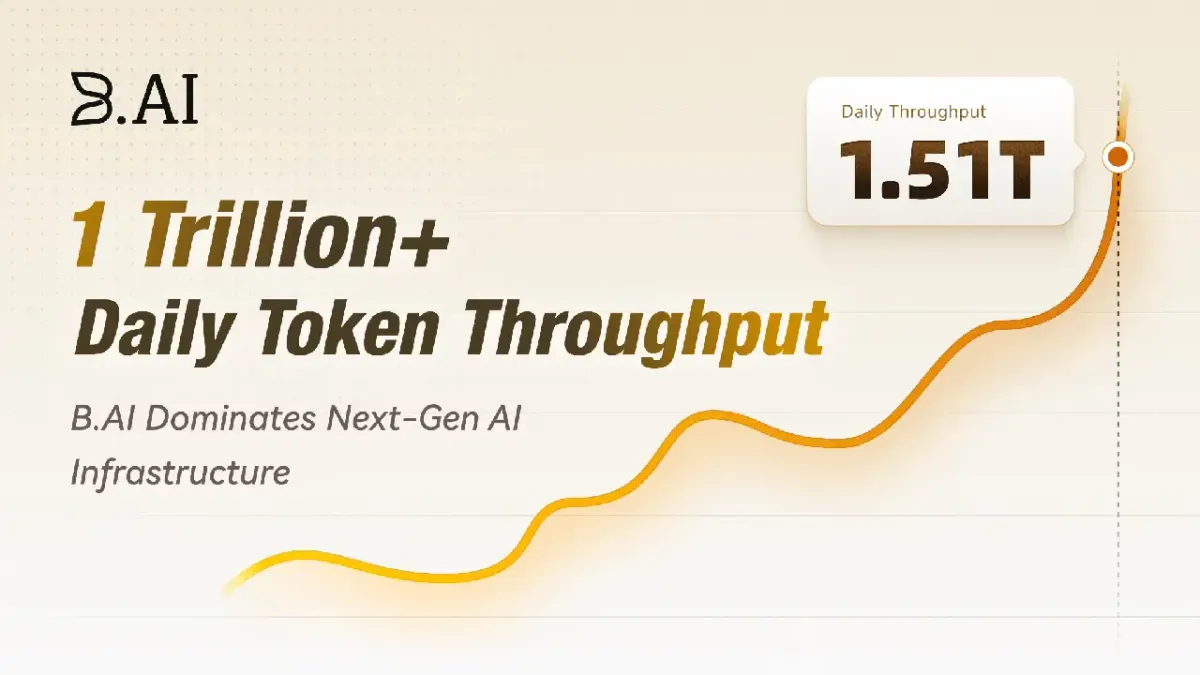
B.AI achieves record 1.51 trillion tokens daily throughput for AI infrastructure