Ledger hardware wallet implants spark deep concern over retail supply chains

At CoinMagnetic, we have been closely following the recent security discussions surrounding Ledger hardware wallets. The discovery of hardware implants in devices has thrust the integrity of the supply chain back into the spotlight. Buyers trust that purchasing through authorized sellers guarantees a secure product, but these incidents reveal vulnerabilities in how intermediaries handle devices before they finally reach the end user. This situation highlights a critical gap in the physical security assumptions that many cryptocurrency holders rely on every day.
Hardware wallets have long been considered the gold standard for safeguarding digital assets against online threats, moving private keys completely offline. However, the ecosystem has historically focused primarily on software integrity and firmware verification, often overlooking the physical journey of the device itself. When a wallet passes through multiple warehouses, distributors, and third-party logistics providers, numerous opportunities arise for malicious actors to intercept or tamper with the hardware before it is unboxed by the unsuspecting customer.
For the broader crypto market, this supply chain vulnerability matters immensely because it undermines the foundational trust required for self-custody adoption. As onboarding new users into decentralized finance and hardware security remains a primary industry goal, any doubt cast on the physical reliability of top-tier devices can stall momentum. When people are told to take control of their own funds, they need absolute confidence that the tools they use have not been compromised at any point prior to purchase, regardless of the distribution channel involved.
Industry experts and security researchers have responded to these developments by calling for a complete overhaul of supply chain verification methods. Voices across the hardware security space emphasize that manufacturers must implement stricter end-to-end tracking, tamper-evident packaging, and cryptographic proofs of origin that verify the device has not been altered in transit. Many are urging wallet vendors to adopt more transparent auditing processes for their authorized reseller networks to prevent bad actors from infiltrating the retail chain.
Looking ahead, we expect hardware wallet manufacturers to face mounting pressure to innovate beyond basic secure elements and focus heavily on logistical security. As attackers find increasingly sophisticated ways to exploit physical touchpoints, the definition of a secure wallet must expand to encompass its entire lifecycle from the factory floor to the customer's desk. For users, heightened vigilance and direct verification methods will likely become a necessary part of the setup routine moving forward.

CoinMagnetic Team
Crypto investors since 2017. We trade with our own money and test every exchange ourselves.
Updated: October 2026
From our insights:
Related news

Strategy preferred stock STRC approaches $100 par value
US inflation trajectory shapes bitcoin outlook heading into mid-October 2026

CryptoQuant onchain metrics point to a potential local bottom for bitcoin

Bitcoin will surpass gold and stabilize as it matures, Saifedean Ammous says
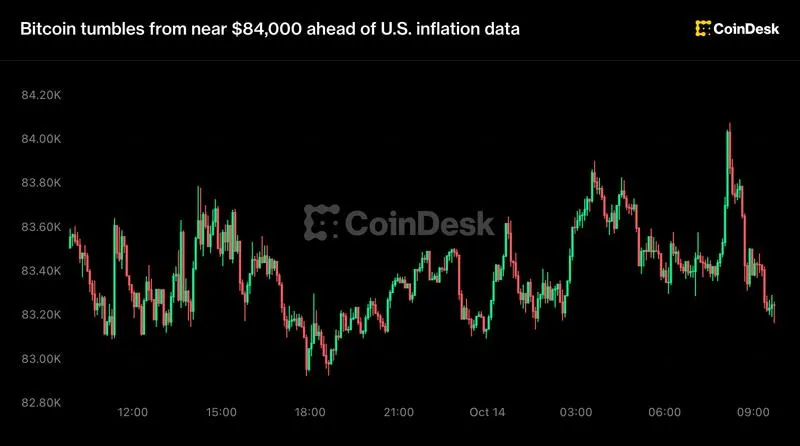
Bitcoin slips from $84,000 as tech stocks stumble before CPI data